
Plant dehydration
Dehydration
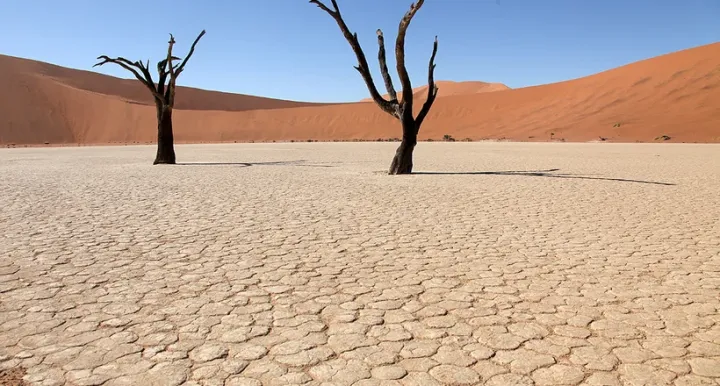
Description
How to identify
Plant dehydration is a physiological disorder occurring when a plant's water loss through transpiration exceeds its water uptake from the soil environment.
This state signifies a breakdown in the plant's hydraulic system, which is essential for transporting nutrients and maintaining structural turgor pressure.
Dehydration is fundamentally an imbalance in the water potential between the plant tissues and the surrounding soil, often exacerbated by environmental conditions.
When soil moisture is insufficient or salts prevent root water absorption, the plant begins to draw water from its own tissues, leading to cellular dysfunction.
If not addressed, this stress causes severe metabolic disruption, leading to stunted growth, wilting, and eventually the death of plant cells.
What it damages
Dehydration affects a wide range of agricultural crops, particularly during critical development stages such as flowering, pollination, and fruit set.
Cereals suffer from reduced grain filling, leading to shriveled kernels and significant losses in both grain quality and overall agricultural yield.
Vegetable crops, when stressed, show reduced vegetative growth, poor fruit quality, and increased susceptibility to physiological disorders like blossom end rot.
Perennial crops experience long-term damage, as dehydration exhausts energy reserves, negatively impacting tree vigor and future production cycles.
Chronically dehydrated plants possess weak immune systems, making them highly susceptible to secondary infestations by pests and fungal pathogens.
Signs of infestation
The most common sign is the loss of turgor, resulting in leaves that appear limp, wilted, or drooping, typically worsening as daily temperatures peak.
Leaf margin necrosis, characterized by the browning and brittleness of leaf tips, indicates that the plant can no longer sustain its leaf surface area.
Stunted development of new shoots and leaves is a strong indicator that the plant is undergoing severe hydric stress and has entered survival mode.
Premature abscission of flowers, buds, and fruit is a common plant response to mitigate water demand during periods of extreme water deficiency.
Under severe cases, root systems show signs of dieback and decay, which further limits the plant's capacity to absorb any available moisture.
Control measures
The primary control measure is the implementation of precision irrigation systems, such as drip or sprinkler irrigation, to ensure steady soil moisture levels.
Soil management practices like mulching effectively reduce direct evaporation from the soil surface, preserving critical moisture for root uptake.
The application of antitranspirant sprays creates a protective barrier on foliage, helping to reduce transpiration rates during extreme heat events.
Selecting drought-tolerant cultivars is essential for areas with recurring water limitations, as these varieties possess superior water-use efficiency traits.
Balanced nutrient management, specifically managing nitrogen levels, prevents excessive vegetative growth that could overdraw the plant's limited water supply.
Causes diseases · 1
Discussion
No discussions yet — be the first.