
Apple flyspeck
Schizothyrium pomi
Description
How to identify
Schizothyrium pomi is an ascomycete fungus that acts as the primary causative agent of a condition known as apple flyspeck. It is a common cosmetic disease affecting pome fruits.
Taxonomically, the fungus belongs to the family Schizothyriaceae. It resides superficially on the cuticle of the apple, without invading the fruit flesh.
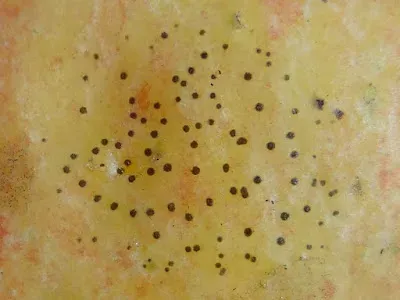
The fungus is characterized by the production of dark, tiny, circular structures called thyriothecia. These structures are the sites where the fungus develops its reproductive spores.
Dissemination is largely driven by splashing rain and air currents, which move the conidia from infected leaf litter to developing fruit surfaces throughout the growing season.
Due to its superficial nature, Schizothyrium pomi does not affect the nutritional quality of the fruit, but it poses a severe threat to commercial profitability.
What it damages
The primary hosts of this pathogen are apple trees. However, it can also infect pears, peaches, and various other fruit-bearing species within the Rosaceae family.
The damage is purely cosmetic. The presence of numerous tiny black spots, resembling fly excrement, renders the fruit unsightly for retail distribution.
Affected apples are often downgraded or rejected during inspection, causing significant financial losses for orchardists, especially in high-quality market sectors.
While the internal tissues remain firm, the affected skin is more susceptible to water loss and may provide an entry point for secondary storage rot pathogens.
Economic impact is particularly high in regions with frequent summer rainfall, as the disease can rapidly cover a large percentage of the orchard's harvest.
When it appears
The disease cycle begins with the fungus overwintering on infested leaf debris found on the orchard floor. As spring progresses, it begins producing primary inoculum.
Infection cycles occur predominantly in mid-to-late summer. High relative humidity (above 90%) and temperatures between 20°C and 25°C are optimal for spore germination.
Orchards with poor air circulation, such as those with dense, unpruned canopies, provide an environment that favors the development of the fungus throughout the summer months.
As the season approaches harvest time, the symptoms become more apparent. The accumulation of moisture on the fruit skin is the critical trigger for secondary infections.
In dry climates or during dry summers, the disease prevalence is significantly lower, highlighting the importance of weather conditions in the fungal lifecycle.
Signs of infestation
The most distinctive sign is the appearance of groups of 1-mm wide, shiny, black spots on the apple skin. These spots are often clustered in specific areas of the fruit.
The spots are clearly defined and do not produce a fungal mycelial mat that covers the entire surface; they look like individual specks rather than blotches.
These specks are superficial and can be wiped or scraped off easily without causing any underlying pitting or damage to the epidermis of the apple.
Infection often starts in the stem cavity or around the calyx end, as these areas tend to remain wet for longer periods after rainfall or morning dew.
A shiny, reflective appearance of the spots distinguishes this disease from other fungal conditions like scab, which typically causes cracked or velvety lesions.
Control measures
Pruning is the most vital cultural practice. Opening up the tree canopy improves air circulation and increases light penetration, drying the fruit surface faster.
Orchard sanitation, including the removal or destruction of fallen leaves in autumn, is essential to reduce the inoculum reservoir for the following year.
Fungicides used for apple scab control are generally effective against flyspeck. Careful timing of applications before expected rainy periods is highly recommended.
- Regular maintenance of tree shape and density.
- Monitoring weather patterns to time fungicide applications effectively.
- Removal of wild host plants in the immediate vicinity of the orchard.
Integrating chemical control with sound cultural practices ensures that fruit remains clean and meets the quality standards required for the fresh fruit market.
Causes diseases · 2
Discussion
No discussions yet — be the first.