
Rupestris vein
Rupestris vein
Rupestris vein is caused by the Grapevine rupestris vein feathering virus (GRVFV), a member of the genus Maculavirus in the Tymoviridae family. It is a viral pathogen with a positive-sense single-stranded RNA genome.
What the section contains
Rupestris vein
The virus is characterized by a latent infection phase in most commercially grown Vitis vinifera varieties. This makes it a silent spreader in viticulture, often going unnoticed during standard field inspections.
It does not rely on specific insect vectors for transmission. The primary dissemination method is through the movement of infected plant propagation material, such as cuttings, scions, and rootstocks.
Mechanical transmission is also a significant factor. The virus can easily be transferred from infected to healthy vines through contaminated pruning tools, grafting equipment, and other wounding activities.
Detection of the pathogen requires molecular diagnostics. ELISA or RT-PCR tests are the standard tools used in certification programs to ensure that nursery stock is free from the virus.
The virus mainly affects Vitis species. While the disease is named after Vitis rupestris, it infects a wide range of grapevines, often without causing severe acute symptoms in modern hybrid and cultivar plants.
Despite the lack of obvious symptoms in some varieties, the virus induces systemic physiological changes. This leads to a decline in vine vigor, photosynthetic efficiency, and overall long-term productivity.
Affected plants often show reduced fruit quality and lower sugar accumulation. Over several growing seasons, this causes a decline in the economic profitability of the vineyard block.
The infection makes the vines more susceptible to secondary stressors, including water scarcity, extreme heat, and other pests. This compounding effect reduces the lifespan of the vineyard significantly.
Infected vines serve as a permanent reservoir for the virus. This poses a constant threat to adjacent healthy plants if tools and equipment are not managed according to strict sanitation standards.
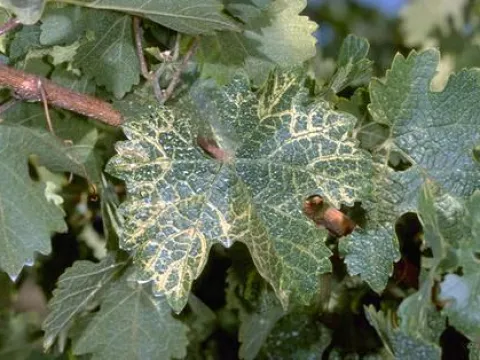
The most distinctive symptom is the feathering or chlorotic clearing of the veins on the leaves. These symptoms typically follow the vascular pattern, creating a delicate, pale network.
On sensitive indicator plants, the leaf veins may appear distorted or yellowish. These symptoms are most prominent on young leaves during the early stage of the growing season in spring.
As the season progresses and the leaves mature, the chlorotic vein patterns may become less distinct or fully masked, making the virus appear to "disappear" during the summer months.
Visible symptoms are often limited to specific indicator varieties. Most commercial cultivars remain completely asymptomatic while still hosting the viral infection internally.
In cases of severe infection, a general stunting of the vine can occur. However, because this is indistinguishable from nutrient deficiency or other soil issues, diagnostic testing is mandatory for confirmation.
Preventive measures are the only way to manage Rupestris vein. Growers must prioritize the use of certified virus-indexed propagation material from reputable nurseries.
Sanitation during pruning is critical. All pruning shears, saws, and grafting knives must be disinfected after working on each individual vine to prevent sap-borne virus transfer.
Rogueing of infected plants is necessary if they are detected. Once a vine is identified as a host, it should be removed along with its roots to prevent it from acting as a source of inoculum.
No chemical treatments exist to eliminate the virus once the vine is infected. Prevention, early detection, and strict hygiene protocols are the cornerstones of successful management.
Maintaining strong plant health through proper irrigation and nutrition can help the vine manage stress, but it does not cure the systemic viral presence within the vascular tissues.