
Phellinus punctatus
Phellinus punctatus
Description
How to identify
Phellinus punctatus is a perennial, wood-decaying fungus belonging to the Hymenochaetaceae family. It is recognized as a significant pathogen affecting various hardwood species and fruit trees.
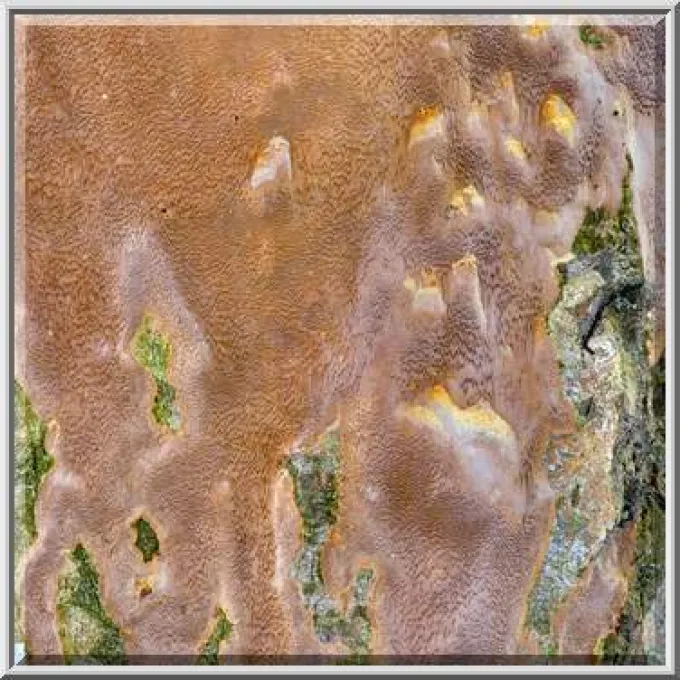
The fruit bodies of this fungus are typically perennial, resupinate (crust-like), and hard in texture, often appearing as yellowish-brown or rust-colored patches firmly attached to the bark of host trees.
As a facultative parasite, this fungus possesses the capability to colonize living tissue while simultaneously decomposing dead wood, making it a persistent threat to woody plants.
Microscopically, it is identified by the presence of characteristic hyphae with clamp connections and brownish setae within the hymenium, which distinguish it from other wood-decaying fungi.
It acts as a primary agent of white corrosion rot, systematically breaking down both lignin and cellulose, which are the main structural components of tree wood.
What it damages
Common hosts include deciduous trees such as willow, alder, hazel, elm, and various fruit trees like apple and plum. The fungus causes extensive internal structural degradation.
Infection typically occurs through bark wounds, frost cracks, or improper pruning cuts, allowing the mycelium to invade the heartwood and sapwood, leading to the development of white rot.
The damage manifests as a significant loss of structural integrity, leading to weakened branches and trunks that are highly susceptible to wind-throw and mechanical breakage.
Fruit trees exhibit reduced vigor, premature leaf drop, and dieback of individual limbs, which ultimately impacts fruit production and shortens the economic life of the orchard.
Beyond individual tree health, the presence of this pathogen depreciates the quality of timber and significantly alters forest stand dynamics by promoting the premature mortality of infected trees.
When it appears
The fungal cycle is perennial and continuous. Spore production is most active during the growing season, particularly when high humidity and rainfall provide optimal conditions for spore release.
Basidiospores are dispersed via air currents and raindrops, seeking out new entry points on host trees to initiate new infection colonies throughout the year.
While fungal growth slows significantly during winter months due to colder temperatures, the mycelium remains viable deep within the wood, allowing the infection to persist across years.
The fruit bodies themselves are long-lived and remain on the tree, serving as a constant reservoir for inoculums that can be triggered by suitable weather conditions at any time.
Orchard managers should be particularly vigilant after events that cause physical trauma to trees, such as heavy storms, hail, or severe winter frost, as these create ideal windows for infection.
Signs of infestation
The most visible sign of infection is the development of rigid, perennial fungal brackets or crusts on the surface of the trunk or larger branches, indicating that internal decay is already well-established.
A cross-section of infected wood reveals the characteristic white rot, often demarcated by dark, distinct lines that signify the boundaries of the mycelial growth within the wood tissues.
Infected trees may show localized bark cracking and brittle branches, which easily snap under their own weight or during slight wind, exposing the decayed, crumbly interior of the wood.
The tree may show signs of stress, such as chlorosis, delayed budding, or a thinning canopy, as the fungus disrupts the plant's vascular systems, inhibiting the transport of water and nutrients.
- Hard, perennial crust-like fruit bodies on the bark.
- Internal white rot with dark, defined lines in wood.
- Structural cracks in the trunk.
- Brittle branches prone to breakage.
Control measures
Effective management begins with strict agricultural hygiene. The goal is to minimize entry points and remove active sources of fungal inoculum from the immediate vicinity.
Pruning should be performed during dry weather to reduce the risk of spore germination. All tools used on infected wood must be disinfected with appropriate solutions before moving to healthy trees.
After any pruning or mechanical damage, exposed wood should be protected with garden sealants or copper-based fungicides to prevent spores from establishing a foothold on the fresh tissue.
Promoting tree health through proper fertilization and irrigation is essential, as vigorous trees are more capable of compartmentalizing small wounds and resisting fungal invasion.
Severely infected trees or limbs should be surgically removed and burned to eliminate the primary sources of spores, thereby protecting the rest of the plantation from secondary infections.
Causes diseases · 1
Discussion
No discussions yet — be the first.