
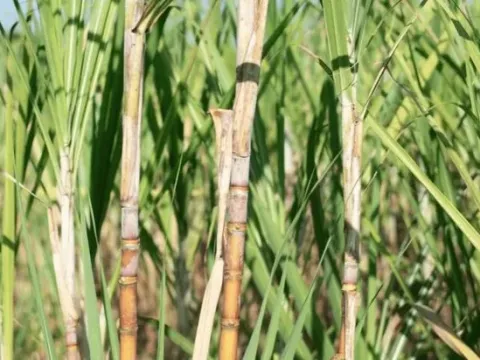
Phaeocytostroma sacchari
Phaeocytostroma sacchari
Phaeocytostroma sacchari is a fungal pathogen primarily known for causing stem rot in sugarcane. Taxonomically, it is identified as an ascomycete fungus that spreads via conidia produced in specialized structures known as pycnidia.
What the section contains
Phaeocytostroma sacchari
The fungus thrives in warm and humid environments, which are characteristic of major sugarcane growing regions. It survives as mycelium or as spores in crop residues left in the field after harvest.
The pathogen typically invades the host plant through wounds caused by insects, mechanical damage during cultivation, or natural growth cracks in the stalks. Once inside, it colonizes the pith.
Laboratory identification of Phaeocytostroma sacchari involves isolating the fungus from infected tissue and observing the microscopic structure of its conidiophores and spores, which are key for species confirmation.
Continuous monitoring is essential for large-scale production, as the fungus can remain latent in planting material, leading to significant outbreaks if environmental conditions become favorable.
The primary economic damage caused by this pathogen is the degradation of stalks, leading to reduced sugar yield. The fungus consumes sucrose and produces metabolites that ruin the quality of the raw material.
Infected stalks show internal browning and tissue necrosis. This weakens the structural integrity of the plant, often leading to lodging, which significantly increases harvesting costs and reduces efficiency.
The overall biomass reduction in infected plantations leads to lower tonnage per hectare. This is particularly problematic in continuous cropping systems where the pathogen accumulates in the soil.
Beyond physical damage, the inversion of sucrose into glucose and fructose caused by fungal enzymes makes the processing of the juice more complex and less profitable for refineries.
Plant mortality can occur in severe cases, especially among younger, more susceptible plants or during prolonged drought conditions that stress the sugarcane crop.
Symptoms often start as small, dark-colored lesions on the stalk surface that expand over time. These lesions are sometimes mistaken for early-stage insect damage.
Upon splitting an infected stalk, the internal pith appears discolored, ranging from light brown to black. In later stages, the internal tissue may become dry and shredded.
Under high humidity, tiny black dots appear on the rind of the stalk. These are the pycnidia, the fruiting bodies of the fungus, bursting through the epidermis to release their spores.
Foliar symptoms include premature yellowing and wilting of the leaves, which are secondary responses to the disruption of water and nutrient transport in the stem.
A distinctive feature of advanced infection is the hollow appearance of the stalks, which become brittle and easily break when subjected to wind or manual handling.
The use of certified, disease-free planting material is the foundation of any management program for Phaeocytostroma sacchari. Avoid using cuttings from infected fields.
Agronomic practices such as field sanitation are critical. Removing and burning crop debris prevents the pathogen from surviving until the next planting season.
Treatment of seed canes with appropriate fungicides before planting provides a protective barrier against primary infection during the critical establishment phase.
Balanced fertilization, particularly managing nitrogen levels, helps plants build resistance. Avoiding excessive water stress through controlled irrigation also reduces the risk of fungal colonization.
- Implementation of long-term crop rotation cycles.
- Selection of resistant sugarcane cultivars.
- Regular field scouting to identify and rogue infected plants early.