
Phaeoacremonium
Phaeoacremonium
Description
How to identify
Phaeoacremonium is a genus of ascomycetous fungi known for being significant plant pathogens. They are primarily recognized as one of the key contributors to complex wood diseases in woody plants.
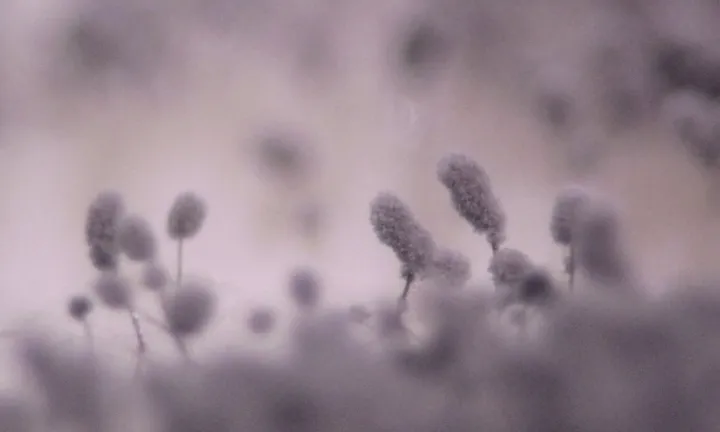
These fungi belong to the order Diaporthales. They exist as anamorphic fungi, often producing small, septate conidiophores and conidia that allow them to spread rapidly within agricultural ecosystems.
The genus includes several species, such as Phaeoacremonium aleophilum and Phaeoacremonium parasiticum, which are capable of infecting a wide range of host plants.
Phaeoacremonium fungi are typically characterized by their ability to thrive in the vascular tissue of perennials, slowly colonizing the xylem and causing internal necrosis.
Due to their microscopic size and hidden lifestyle within plant wood, identifying these fungi often requires advanced diagnostic tools like PCR and specialized culturing techniques.
What it damages
The most prominent impact of Phaeoacremonium is on grapevines (Vitis vinifera), where it acts as a primary agent for diseases like Esca and Petri disease.
Besides grapevines, these pathogens affect various woody hosts, including olive trees, almonds, peaches, and several types of landscape trees and shrubs.
The pathogen enters plants through wounds created by pruning, mechanical harvesting, or damage caused by environmental factors like heavy rainfall or frost.
Once inside, the fungus colonizes the wood vessels, obstructing the upward transport of water and nutrients, leading to the gradual decline of the plant.
The damage is cumulative; it leads to reduced yields, lower quality of fruit, and eventually the total mortality of the affected perennial crop.
Signs of infestation
Foliar symptoms on grapevines typically include interveinal chlorosis followed by necrosis, resulting in the characteristic striped appearance known as "tiger striping."
On internal wood structures, visible signs appear as dark, brown or black spots, streaks, or radial discolored sectors when the trunk or cordons are cross-sectioned.
Plants display a general loss of vigor, stunted growth, and a reduction in the size and quality of bunches, often leading to premature leaf drop during the season.
In severe cases, vines may undergo "apoplexy," where the entire plant or large limbs suddenly wilt and collapse during the hottest months of the year.
Over time, the cumulative effect of tissue decay results in the plant failing to produce new shoots, eventually leading to the death of the entire grapevine.
Control measures
Managing Phaeoacremonium is challenging because fungicides cannot easily penetrate the woody tissues where the pathogen resides, making prevention the best strategy.
Pruning should be performed in dry conditions to minimize the release and movement of fungal spores via water droplets or wind.
Strict disinfection of pruning tools between every single vine is necessary to avoid transferring pathogens from infected material to healthy plants.
Growers should prioritize the use of high-quality, certified nursery stock to ensure that the plantation remains free from early-stage infections.
Applying protective wound sealants immediately after pruning acts as a physical barrier, preventing the fungal spores from colonizing the exposed plant tissue.
Causes diseases · 1
Discussion
No discussions yet — be the first.