
Phacidium blight
Phacidium vaccinii
Description
How to identify
Phacidium blight, caused by the fungus Phacidium vaccinii, is a significant fungal pathogen affecting cranberry crops. It belongs to the Ascomycota division and specifically targets plants within the Vaccinium genus, causing localized but damaging infections.
The fungus survives the winter as dormant mycelium within the tissue of infected cranberry leaves and stems. When the temperature increases and moisture becomes available in spring, the fungus resumes activity, producing spores that initiate new infection cycles.
The disease cycle is highly dependent on environmental humidity and temperature. Spores are dispersed through wind currents and splashing rain, allowing the pathogen to spread across a field quickly if conditions are favorable for fungal growth.
Identifying the pathogen typically requires professional diagnostic procedures, including microscopic evaluation of tissue samples. The presence of specific apothecia (fruiting bodies) is a key indicator that differentiates this disease from other leaf spots.
Early detection is crucial in the management of Phacidium vaccinii. Because the fungus is a specialized pathogen, fields with a history of this infection require more rigorous monitoring throughout the active growing season.
What it damages
The primary damage caused by Phacidium blight is the loss of leaf area and the dieback of shoots. This significantly impairs the plant's ability to photosynthesize, resulting in stunted growth and a decline in overall plant health.
In addition to vegetative damage, the fungus can infect fruit buds and developing berries. This direct impact on the reproductive organs leads to significant yield losses and reduces the market quality of the harvested crop.
Chronic infections weaken the cranberry vines, making them less resilient to winter frost and other environmental stressors. Over time, affected patches may become unproductive and require complete replanting.
The economic impact of this disease is amplified by the cost of intensive fungicide programs and labor-intensive sanitation practices. In severe outbreaks, growers may face substantial financial losses due to reduced marketable yield.
Furthermore, because the fungus remains present in the field debris, once established, it is difficult to eradicate completely, requiring a long-term management strategy to keep infection levels below the economic threshold.
Signs of infestation
Symptoms of Phacidium blight often manifest as reddish-brown spots on the leaves. These spots can expand to cover the entire leaf surface, eventually causing the leaves to turn brown, wither, and prematurely drop from the plant.
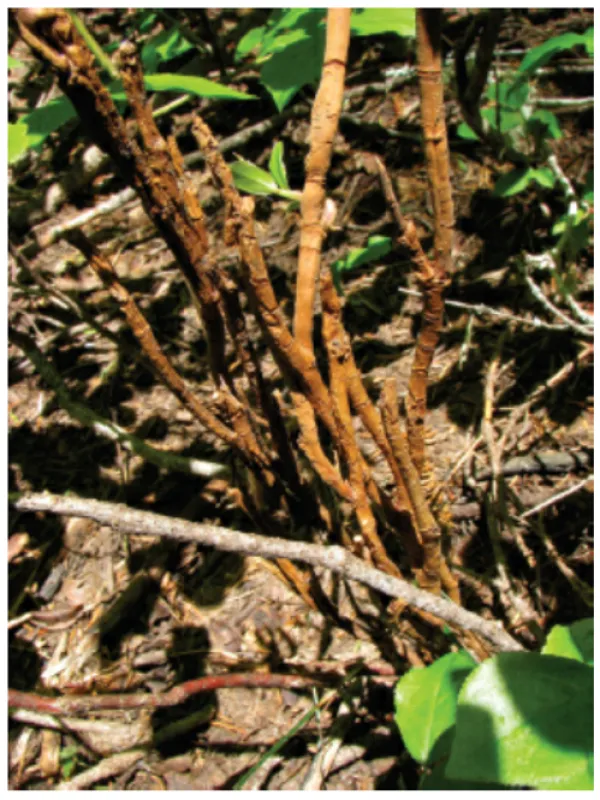
Infected stems often show necrotic lesions where the bark may crack. Small, dark-colored fruiting bodies become visible on the surface of these lesions, appearing as distinct black dots as the fungus matures.
During humid weather, a grayish fungal mat may develop in the affected areas. This indicates high levels of active spore production, which poses a high risk of spread to healthy adjacent plants in the cranberry bog.
Growth of the vine slows significantly, and new shoots may die back from the tips. The internal tissues of affected stems show browning, which indicates that the vascular system is being compromised by the fungal infection.
- Reddish-brown leaf spots.
- Black, dot-like fruiting structures.
- Dieback of stems and twigs.
- Premature defoliation of vines.
- Overall loss of plant vigor.
Control measures
Cultural management is the first line of defense against Phacidium blight. Ensuring adequate drainage in the fields is essential, as waterlogged soil conditions encourage the development of the fungus.
The selection of healthy, disease-free planting material is vital. Growers should only use vines from certified nurseries to prevent the introduction of Phacidium vaccinii into new fields.
Sanitation practices, such as the removal and destruction of infected plant debris, help reduce the inoculum pressure for the next season. Clearing weeds from the field also improves air circulation and lowers canopy humidity.
Fungicide applications are often necessary in commercial production. Timing is critical, with applications typically focused on the early spring when the fungus is emerging from its dormant state and beginning to produce spores.
Integrating balanced fertilization practices, particularly with potassium, can improve the plant's natural resistance. Healthy, well-nourished plants are generally better able to tolerate and recover from fungal infections.
Causes diseases · 1
Discussion
No discussions yet — be the first.