
Phacidium
Phacidium
Phacidium is a genus of sac fungi belonging to the order Phacidiales. It includes highly specialized pathogens, most notably Phacidium infestans, which primarily affects coniferous trees.
What the section contains
Phacidium
As an obligate parasite, this fungus relies entirely on its host for nutrition. Its mycelium penetrates the plant tissue, causing significant structural damage during its developmental cycle.
The fungus is classified within the class Leotiomycetes. It is specifically adapted to environments where cold, damp conditions persist, allowing it to colonize host tissues effectively.
Reproduction occurs through the formation of apothecia, which are fruiting bodies often embedded within the host's epidermal layer. These structures release spores that spread the infection.
Phacidium has evolved to exploit the microclimate provided by heavy snow cover, making it a major concern in nurseries and forest plantations situated in northern regions.
The fungus primarily attacks coniferous species, particularly pines. It is most destructive to young seedlings, where a single infection can lead to the total loss of a crop.
The disease, commonly referred to as snow blight, leads to the necrosis of needles. This prevents photosynthesis, causing the plant to weaken and often die within one or two seasons.
In forest nurseries, high infection rates can lead to devastating economic losses, as the infected seedlings are deemed unsuitable for commercial planting or reforestation.
Beyond direct mortality, the disease reduces the overall vigor of the trees, making them susceptible to secondary infestations by bark beetles or wood-boring insects.
The impact is most visible in the rapid spread of the pathogen through dense stands, where needles are in close proximity, facilitating the movement of spores.
The life cycle of Phacidium is strongly synchronized with seasonal changes. Infection typically starts in the autumn as spores land on healthy needles.
Winter is the period of peak activity. The fungus thrives in the high-humidity, cool environment created beneath the snowpack, allowing the mycelium to spread between needles.
Spring is the critical time for identification. Once the snow melts, the symptoms of the infection become glaringly obvious to agronomists and forest managers.
During the summer, the fungus enters a phase of sporocarp formation in dead needles, preparing to initiate new cycles of infection once autumn arrives.
Effective scouting must be timed precisely with the melting of the snow cover, as this is the period when management interventions are most likely to succeed.
The primary symptom is the browning and eventual death of needles. Affected needles become dry and brittle, detaching easily from the twigs.
Small black fruiting bodies (apothecia) appear on the surface of the needles. These are often shielded by the remnants of the needle's epidermis, which may rupture as the fungus matures.
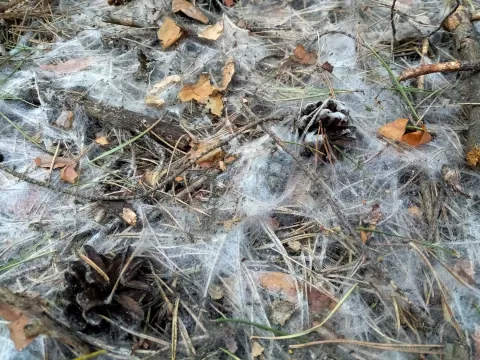
A grayish or white mycelial mat may be visible on the needles, especially after the snow melts, indicating active growth during the winter months.
- Browning and discoloration of needles.
- Presence of small black fruiting bodies.
- Mass needle shed in early spring.
- Blighted appearance of young shoots.
Differentiating Phacidium from other fungal needle diseases is crucial, as its management depends on specific climatic triggers like snow cover duration.
Management focuses on silvicultural practices, including maintaining proper spacing to increase airflow and using fungicide applications during the late autumn.
Sanitation is essential; all infected seedlings and debris should be removed and destroyed to reduce the inoculum load in the nursery environment.
Chemical control involving copper-based or systemic fungicides can be effective if applied as a preventative measure before the first snowfall occurs.
Selecting resistant cultivars or species is the most sustainable approach to long-term control, as it reduces the dependence on chemical intervention.
Regular monitoring after the winter season allows for the early detection of outbreaks, enabling prompt action to prevent the spread of the pathogen to healthy areas.