
Pestalotiopsis sydowiana
Pestalotiopsis sydowiana
Description
How to identify
Pestalotiopsis sydowiana is a pathogenic fungus belonging to the class Ascomycetes. It is the primary cause of pestalotiopsis blight, a disease frequently observed in ornamental landscapes and nurseries.
The fungus exists primarily as a saprophyte on dead plant tissues but can easily switch to a pathogenic mode. It survives in infected needles, cones, and branches during winter months.
Spore dispersal occurs mainly through water splashing and wind, especially during rainy seasons. The fungus thrives in high humidity environments, which facilitates the germination of spores on host surfaces.
The biological cycle involves the formation of acervuli, which rupture the plant epidermis to release conidia. This rapid production allows the fungus to spread across the canopy effectively.
Environmental stress factors, such as drought or frost damage, significantly weaken the plant's defense mechanisms. This makes host plants highly susceptible to the initial fungal colonization.
What it damages
The pathogen specifically targets coniferous trees and shrubs. Species like Thuja, Juniperus, and Chamaecyparis are among the most common hosts affected by this fungus.
It causes tissue necrosis leading to dieback of foliage and twigs. Severe infestations can result in the complete death of the plant, especially if the pathogen reaches the main stem or crown area.
Signs of infestation
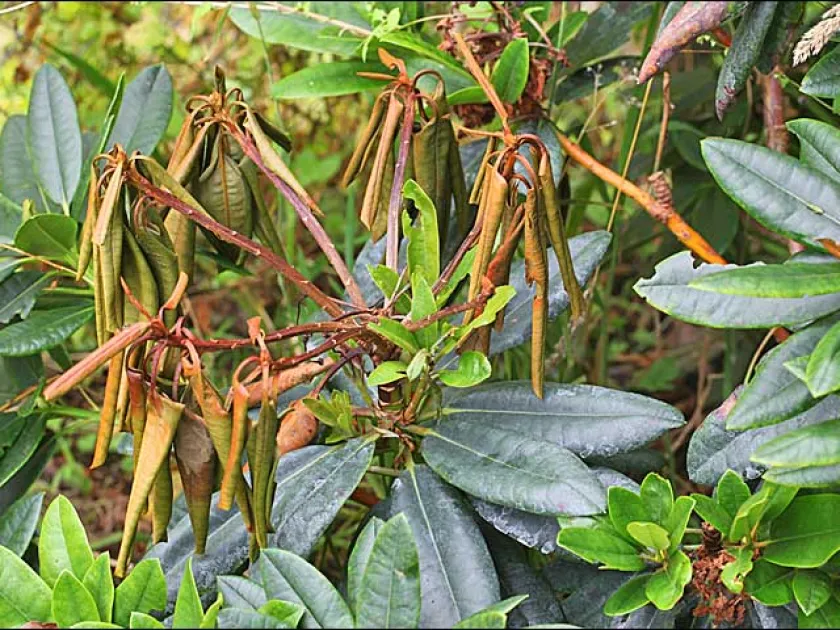
The initial symptoms include the chlorosis and subsequent browning of needles. The affected foliage becomes brittle and falls off, leaving bare branches behind.
Small black fruiting bodies appear on the surface of dead tissues. Under humid conditions, these structures release spores that may appear as a light-colored or greyish sticky mass.
Branch dieback progresses towards the main stem, where cankers may form. These necrotic lesions restrict nutrient flow, leading to the gradual decline of the entire plant structure.
Control measures
Cultural practices are essential for control, starting with the removal and destruction of all infected plant parts. Pruning tools must be disinfected to prevent disease transmission.
Chemical control involves the application of fungicides, particularly those containing copper or systemic active ingredients. Proper timing, usually during early spring, is crucial for effectiveness.
- Regular inspection for early symptoms
- Improvement of drainage and air circulation
- Avoidance of overhead irrigation
- Balanced fertilization to boost vigor
- Application of preventative fungicides
Causes diseases · 1
Discussion
No discussions yet — be the first.