
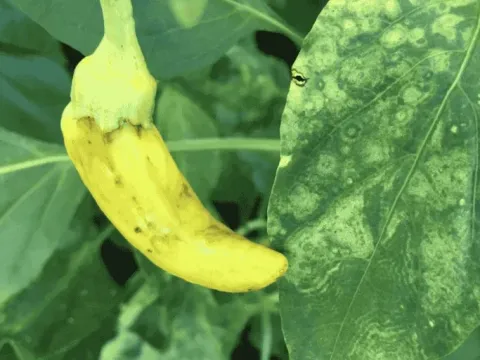
Pepper veinal mottle virus
Pepper veinal
Pepper veinal mottle virus (PVMV) is a plant pathogenic virus belonging to the genus Potyvirus, family Potyviridae. It is a major threat to solanaceous crops in tropical and subtropical regions.
What the section contains
Pepper veinal mottle virus
The virus particles are flexuous filaments containing a single-stranded RNA genome. PVMV is transmitted by several aphid species in a non-persistent manner, meaning the virus is acquired and transmitted within seconds or minutes.
The host range of the virus includes various cultivated plants such as peppers, tomatoes, and tobacco, as well as numerous wild solanaceous weed species that serve as primary reservoirs.
Infection is highly dependent on the movement of winged aphids which spread the virus from weeds to nearby vegetable fields, often leading to rapid epidemics in newly established plantings.
Diagnosis usually requires laboratory testing such as Enzyme-Linked Immunosorbent Assay (ELISA) or Polymerase Chain Reaction (PCR) because the symptoms often overlap with other viral or physiological disorders.
PVMV primarily affects the Capsicum genus, including bell peppers and hot peppers, as well as tomato crops. The virus causes systemic infection, meaning it spreads throughout the entire plant system.
The presence of the virus in wild plants ensures that it remains endemic to areas where susceptible crops are grown, making it a persistent challenge for commercial farmers.
Economic damage is caused by severe yield losses, as infected plants produce fewer fruits, and the quality of the harvest is significantly reduced due to fruit distortion and discoloration.
When young plants are infected, they often remain stunted throughout their lifecycle, failing to reach maturity or produce a commercially viable yield.
Additionally, the weakened physiological state of the plants makes them more susceptible to secondary fungal or bacterial pathogens, further compounding crop management difficulties.
The most distinctive early symptom is vein clearing, where the leaf tissue immediately surrounding the veins becomes lighter in color, creating a distinct pattern.
As the infection progresses, a mosaic pattern of light and dark green areas develops on the leaves. Infected leaves may also become severely distorted, puckered, or stunted.
Fruits infected with PVMV often display mosaic mottling and irregular bumps or necrotic lesions. This makes them visually unappealing and reduces their market value.
Overall plant growth is significantly impacted by PVMV infection, resulting in shortened internodes and a reduced total biomass of the plant.
- Vein clearing on young leaves
- Mosaic patterning on foliage
- Leaf distortion and curling
- Stunting of the entire plant
- Deformed and mottled fruit
Since there are no curative treatments for viral infections in plants, management must focus on prevention and integrated pest management (IPM) strategies.
Sanitation is critical; removing wild host plants and weeds from the vicinity of the fields is one of the most effective ways to reduce the initial viral pressure.
Controlling aphid populations using systemic or contact insecticides is essential to stop the primary and secondary transmission of the virus within the crop.
Cultivation of virus-resistant or tolerant pepper varieties is highly recommended, as it provides the most sustainable defense against PVMV-related losses.
Other management practices include using high-quality, virus-free seeds or transplants and cleaning tools regularly to prevent mechanical transmission of the virus between plants during cultivation activities.