
Pepper mottle virus
Pepper mottle
Pepper mottle virus (PepMoV) is a plant pathogenic virus belonging to the genus Potyvirus within the Potyviridae family, known for causing significant damage to solanaceous crops.
What the section contains
Pepper mottle virus
The virus is primarily transmitted by aphid species, such as Myzus persicae, in a non-persistent manner, allowing rapid spread throughout a field during feeding.
Mechanical transmission also occurs frequently in greenhouse environments through contact with contaminated tools, workers' hands, or damaged plant tissues.
Reservoir hosts, specifically wild solanaceous weeds, play a critical role in the virus cycle by harbouring the pathogen during periods when crops are not being grown.
Detection and diagnosis are typically performed through standardized laboratory techniques such as ELISA or RT-PCR to identify specific viral proteins or RNA sequences.
The virus mainly impacts Capsicum species, with sweet and chili peppers showing the most severe physiological and morphological symptoms following systemic infection.
Infection results in substantial yield losses, as the virus disrupts plant metabolism, severely affecting fruit production, size, and overall quality for market distribution.
The impact is often most severe when the initial infection occurs early in the plant's development, leading to permanent stunting and poor growth throughout the season.
Beyond yield reduction, the economic value of the produce is compromised by visible fruit deformities, surface necrosis, and irregular ripening patterns.
Weakened plants are also more susceptible to opportunistic pathogens, further exacerbating the damage caused by the primary viral infection in the field.
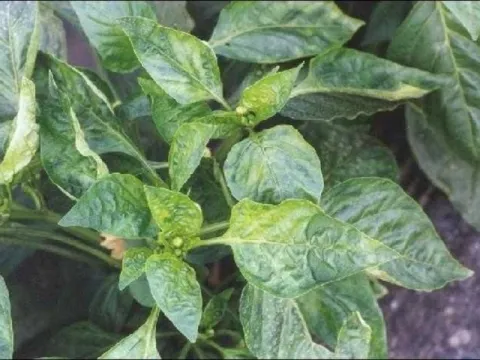
The most recognizable symptom is a light-green to dark-green mosaic or mottle pattern on the foliage, which is characteristic of this potyvirus infection.
Leaves exhibit significant distortion, becoming crinkled and curled, which restricts the leaf surface area available for light absorption and photosynthesis.
Infected plants display pronounced stunting with shortened internodes, leading to a compact and bushy appearance compared to healthy, vigorous plants.
Fruit set is often compromised, and the peppers that do develop are frequently malformed, stunted, and show atypical color blotches on the skin.
Flower abscission is common in heavily infected plants, which further contributes to the overall reduction in harvest potential for the farmer.
Integrated Pest Management (IPM) is essential for controlling the virus, focusing primarily on the suppression of aphid populations using targeted systemic insecticides.
Sanitation practices are vital, including the strict removal of weeds from and around the field to eliminate alternate hosts that serve as local viral reservoirs.
Operators must adhere to strict hygiene protocols, including disinfecting pruning tools and hands between working with different plant rows to prevent mechanical spread.
The utilization of virus-resistant cultivars and hybrids is the most sustainable and effective long-term strategy for managing Pepper mottle virus in commercial agriculture.
Implementing crop rotation cycles with non-host plant species helps break the disease cycle and lowers the overall viral inoculum present in the production environment.