
Neofusicoccum
Neofusicoccum
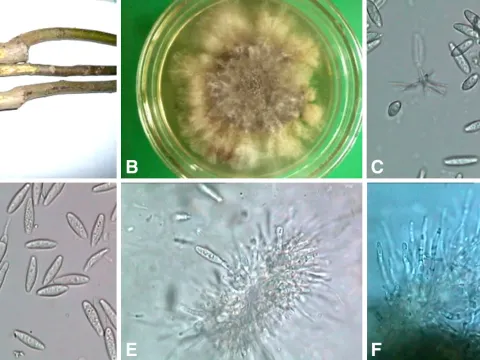
The genus Neofusicoccum belongs to the kingdom Fungi, phylum Ascomycota, and the family Botryosphaeriaceae. These fungi are notorious pathogens responsible for various dieback and canker diseases in a wide range of woody plants.
What the section contains
Neofusicoccum
Commonly found as endophytes, these fungi often inhabit plant tissues without causing symptoms until the host plant is stressed by environmental factors, at which point they turn into aggressive parasites.
Identification is challenging due to the high morphological similarity among related species within the Botryosphaeriaceae family. Precise diagnosis typically requires molecular techniques like DNA sequencing.
The life cycle involves both an asexual stage (producing pycnidia) and a sexual stage (producing perithecia), allowing the fungus to survive and disperse effectively across different seasons.
These fungi are well-adapted to surviving in diverse environments and can remain latent within host tissue, waiting for the right conditions to cause tissue necrosis.
Neofusicoccum species affect a broad spectrum of crops, including grapevines, stone fruits (like peaches and plums), citrus, walnuts, and various hardwood forest trees.
The fungus enters plants through natural openings, mechanical wounds, or pruning cuts, subsequently colonizing the xylem and phloem tissues where it disrupts water and nutrient transport.
Infection results in systemic damage characterized by leaf yellowing, branch dieback, and the eventual death of the entire plant if the infection reaches the main stem or trunk.
Cankers—localized necrotic lesions on the bark—are a hallmark of the damage. If left untreated, these cankers can girdle the stem, killing distal parts of the tree.
Beyond crop loss, Neofusicoccum reduces the overall vigor of orchards, shortens the productive lifespan of trees, and necessitates expensive replacement of infected plants.
Spore dispersal occurs predominantly during periods of high humidity and rainfall, as moisture is essential for the release of spores from the fungal fruiting bodies.
Optimal conditions for infection include warm temperatures and frequent rain, which facilitate the germination of spores and the invasion of plant tissues.
During the dormant season or dry periods, the fungus survives as mycelium within infected bark, twigs, and debris on the orchard floor.
Spring and summer are the peak periods for infection, especially following pruning activities when fresh wounds are exposed to wind-blown or water-splashed spores.
The development of the disease is strongly correlated with periods of host stress, such as drought, extreme temperatures, or improper irrigation, which weaken the plant's natural defenses.
A sudden wilting of branches or entire shoots during the growing season is often the first visible symptom of Neofusicoccum infection.
Internally, cross-sections of infected branches reveal deep brown or black necrotic streaks in the wood, indicating the destruction of vascular tissues.
Externally, the bark shows signs of splitting, sunken lesions, or small raised bumps that represent the pycnidia, which release spores during wet weather.
Gummosis, or the oozing of sap from cracks in the bark, is frequently observed as the plant attempts to seal off the infection site.
- Sudden dieback of branches and twigs.
- Black or brown necrosis inside the xylem.
- Sunken cankers on stems and branches.
Sanitation is the most critical control measure; prune out and burn all infected branches, ensuring that cuts are made well into healthy tissue, far beyond visible necrosis.
Sterilize pruning tools between cuts using alcohol or bleach solutions to prevent the mechanical transmission of the fungus from infected to healthy trees.
Promote plant health through balanced fertilization and irrigation to reduce environmental stress, as healthy plants are better able to contain the latent infection.
Apply protective fungicides, such as copper-based sprays or systemic triazoles, during high-risk periods like spring or after significant pruning operations.
Protect all major pruning wounds with wound paints or sealing agents containing fungicides to block the entry of airborne spores into the exposed woody tissue.