
Neofusicoccum australe
Neofusicoccum australe
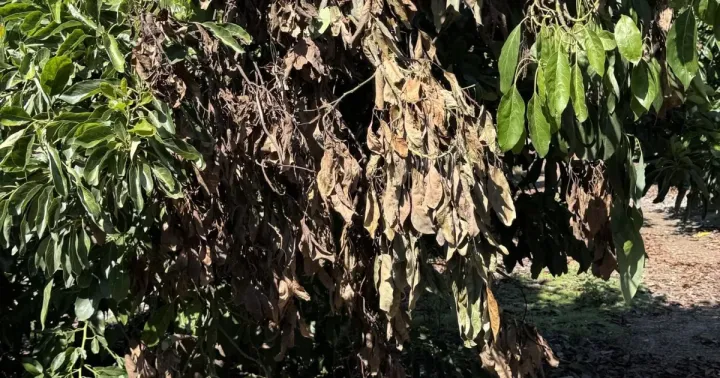
Description
How to identify
Neofusicoccum australe is a fungus belonging to the Botryosphaeriaceae family. It is a well-known pathogen capable of causing severe necrotic diseases in a variety of woody plant species.
Taxonomically, it is classified within the Ascomycota phylum. As part of a complex group of related fungi, it often requires molecular identification methods to distinguish it accurately from other Neofusicoccum species.
The fungus produces pycnidia, which serve as fruiting bodies for asexual reproduction. Within these structures, the pathogen develops conidia that are typically hyaline, single-celled, and fusiform in shape.
The pathogen is highly persistent, capable of surviving in dead wood, plant debris, and host bark for extended periods. This reservoir of inoculum ensures its survival even when host tissue is not readily available.
Spore dispersal is primarily mediated by wind and water splash. These mechanisms allow the fungus to effectively colonize new areas, especially during wet weather conditions which favor the germination of spores.
What it damages
Neofusicoccum australe affects a broad range of hosts, including grapevines, citrus, and various ornamental trees. It is particularly noted for causing wood decay and vascular diseases.
The fungus invades the vascular system, leading to vessel occlusion. This physical blockage restricts the upward movement of water and nutrients, resulting in dieback and overall decline of the host plant.
In vineyards, it is associated with grapevine trunk diseases that cause significant yield loss. Infected vines often exhibit a decline in vigor, reduced fruit quality, and eventual mortality if not managed correctly.
Orchards and forestry plantations can also suffer, as the fungus causes shoot blight and bark necroses. These injuries compromise the structural integrity of the trees, making them vulnerable to secondary stressors.
The impact is most severe in high-density plantings where mechanical pruning creates frequent entry points for the pathogen. Once established, the fungus can progress steadily through the xylem.
When it appears
Activity of Neofusicoccum australe is closely tied to moisture levels and moderate temperatures. It thrives in environments where temperatures range between 20°C and 28°C.
Primary infection typically occurs during the spring, following rainfall events. Rain droplets facilitate the release and spread of conidia from pycnidia to vulnerable wounds, such as pruning cuts.
Summer conditions with lower humidity may slow the external spread, but the fungus continues its colonization within the woody tissues. Winter is generally a period of relative dormancy for the pathogen.
Disease progression is often insidious and asymptomatic for several months. Infected plants may appear healthy until the stress of the growing season triggers visible symptoms of decline.
Extreme weather events, such as hail storms or severe wind, cause tissue damage that significantly elevates the risk of infection by providing fresh portals for fungal entry into the plants.
Signs of infestation
Visible symptoms often include necrotic lesions on the bark, which may be accompanied by gummosis—an exudation of sap as a defense response. These lesions can expand and girdle branches over time.
Cross-sections of infected branches reveal internal discoloration, typically appearing as brown or black streaking within the wood. This indicates the colonization and destruction of the vascular pathways.
Leaves on affected branches may show chlorosis followed by wilting and premature leaf drop. In grapevines, sudden collapse of the entire vine is a characteristic sign of advanced vascular destruction.
- Darkened, necrotic patches on the wood interior.
- Visible cankers and bark cracking on trunks or cordons.
- Extensive gumming or sap flow from wounds.
- Spring shoot dieback and failure of bud break.
- Small, black, pimple-like pycnidia forming on dead bark.
As the disease progresses, the wood becomes dry and brittle. Eventually, the affected parts of the plant lose their functional capacity, leading to the death of distal growth.
Control measures
Integrated management is essential for controlling this pathogen. The most effective approach involves rigorous sanitation, including the removal and disposal of infected plant material by burning.
Pruning tools should be sterilized between each plant to prevent the mechanical transmission of spores. Disinfectants like ethanol or specialized horticultural sanitizers are recommended for this purpose.
Utilizing high-quality, disease-free nursery stock is crucial for preventing the introduction of the pathogen into new plantations. Regular monitoring for early symptoms can prevent widespread outbreaks.
Chemical control focuses on protecting pruning wounds. Fungicide applications, especially those involving copper-based products or systemic fungicides, should be applied immediately after pruning to seal entry points.
Maintaining optimal tree vigor through appropriate irrigation and nutrient management helps plants exhibit better natural resistance, reducing the success rate of fungal colonization attempts.
Discussion
No discussions yet — be the first.