
Nematospora
Nematospora
Nematospora is a genus of yeast-like fungi belonging to the division Ascomycota. Unlike typical filamentous fungi, these organisms primarily exist in a yeast phase, allowing them to rapidly colonize the internal tissues of seeds and fruits of various agricultural plants.
What the section contains
Nematospora
The taxonomic classification of Nematospora highlights its role as a specialized plant parasite. Its cells typically exhibit an elongated, spindle-like morphology, which distinguishes it from many common saprophytic yeasts found in the soil environment.
The life cycle of this pathogen is highly dependent on symbiotic interactions with sucking insects, particularly certain species of mirid bugs. These insects act as primary vectors, facilitating the transmission of the fungus between infected and healthy plants.
Environmental conditions characterized by high humidity and warm temperatures significantly favor the development and dissemination of Nematospora. These factors enable the pathogen to rapidly multiply within the susceptible tissues of the host crop.
As a pathogen, Nematospora requires specific entry points to initiate infection. Without physical damage to the plant's surface, usually caused by feeding insects, the yeast is largely unable to penetrate the protective layers of seeds or fruits.
The primary impact of Nematospora is the degradation of the quality of seeds and fruits, particularly in legumes such as soybeans and phaseolus beans. The fungus infiltrates the interior of the seed, consuming nutrients and causing tissue decay.
The economic harm is substantial, as infected seeds often show significantly reduced germination rates and low vigor, making them unsuitable for agricultural use. Furthermore, the decay processes render harvested crops unfit for human consumption or industrial processing.
Beyond the direct loss of biomass, the presence of Nematospora induces structural changes in the host tissues. This often leads to the development of secondary infections by bacteria, which further accelerates the spoilage of the crop in storage.
International trade can also be hindered, as the presence of this pathogen in grain shipments may lead to quarantine restrictions. Exporters must ensure rigorous testing to verify the absence of Nematospora before international transit.
The cumulative effect of infection leads to decreased total yield and reduced profitability. Farmers face higher costs due to the need for increased pest control and potentially lower market prices for lower-quality harvested products.
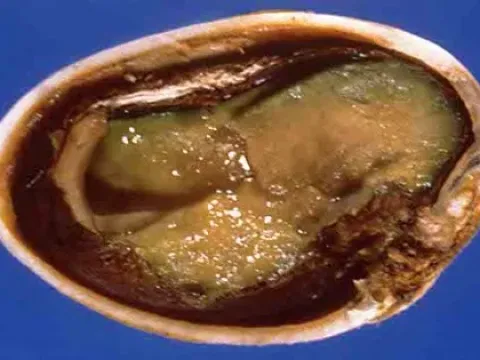
The most prominent sign of Nematospora infection is the discoloration of the seed coat around the areas where insects have fed. These spots can range from tan to dark brown or black, indicating internal necrosis.
When an affected seed or fruit is split open, the internal tissues often appear soft, pulpy, or even liquefied. A mass of yeast cells may be visible as a whitish or slightly yellowish film, providing a distinct biological identifier.
A characteristic sour or fermented odor often emanates from infected seeds, which is a direct consequence of the metabolic activity of the fungus. This smell is a reliable indicator of advanced decay and significant pathogen load.
In some cases, the infected seeds may show signs of severe dehydration and shriveling. This is particularly noticeable in legumes, where the pods may appear mottled and the seeds inside fail to develop to their full size.
Visible signs of infection may not be uniform across the entire field. Infected plants tend to be distributed in localized clusters, reflecting the movement and feeding patterns of the vector insect population during the growing season.
Managing Nematospora starts with the effective control of vector insects. Implementing integrated pest management strategies to reduce populations of bugs prevents the spread of the pathogen to healthy plant tissues.
Good agricultural practices, including the removal of weeds and plant debris, are essential to limit the overwintering of both the insects and the fungal spores. Crop rotation also helps to minimize the buildup of the pathogen in the soil.
Seed selection and cleaning are critical. Utilizing high-quality, certified seeds and sorting out damaged grains before storage can significantly reduce the risk of mold growth and infection development in silos.
Fungicidal applications may be required if the risk of infection is high, particularly in regions where the prevalence of both the pathogen and the vector is consistently documented. Timing is crucial, focusing on the period of seed formation.
- Implement regular scouting for insect vectors in crop fields.
- Apply insecticides judiciously during the flowering and pod-filling stages.
- Ensure grain moisture content is kept below recommended thresholds in storage.
- Use resistant varieties whenever they are available for specific regions.