
Lasiodiplodia theobromae
Lasiodiplodia theobromae
Description
How to identify
Lasiodiplodia theobromae is a destructive fungal pathogen belonging to the phylum Ascomycota. It is a cosmopolitan species widely distributed across tropical and subtropical regions of the globe.
This pathogen is a facultative parasite, meaning it thrives as a saprophyte on dead organic matter but can rapidly turn into a parasite when plant tissues are weakened or stressed.
The fungus produces pycnidia, which are small fruiting bodies containing masses of dark, single-celled or two-celled conidia that serve as the primary inoculum for new infections.
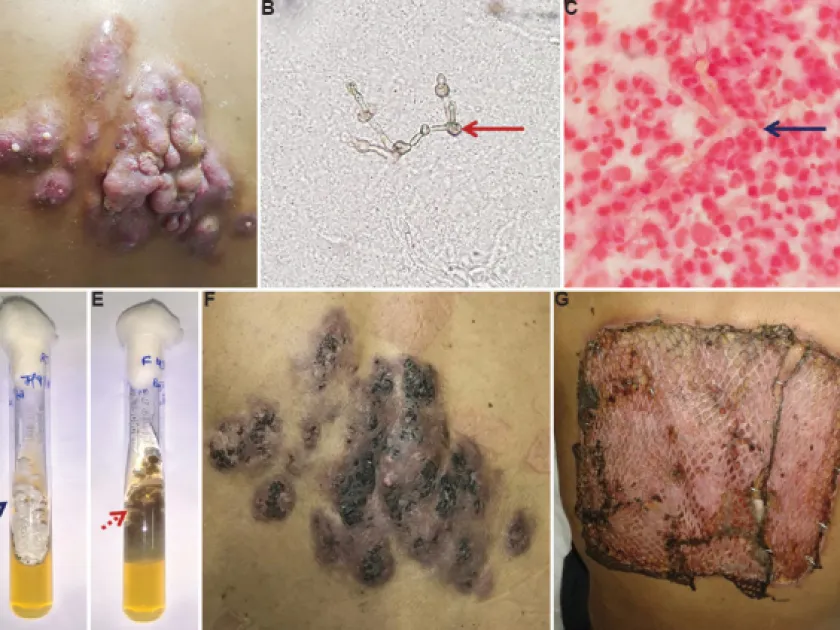
Its mycelial growth is rapid and usually appears as dark gray to black fungal mats on the surface of infected substrates, which is a key diagnostic feature in laboratory identification.
The pathogen is known for its extreme environmental plasticity, allowing it to persist in soil, plant debris, and within the woody vascular system of host plants for several years.
What it damages
L. theobromae has an exceptionally broad host range, infecting over 500 plant species including cacao, mango, banana, citrus, coffee, and various timber-producing trees.
The most economically damaging condition is stem-end rot of fruits, which causes severe post-harvest losses and renders fresh produce unfit for both export and local markets.
In woody plants, the fungus causes dieback disease, characterized by the progressive necrosis of branches, which often leads to the death of the entire plant if left unmanaged.
Seedlings in nurseries are highly susceptible to infection, leading to damping-off and sudden wilting, which can wipe out large batches of young plants in a short period.
The pathogen interferes with the plant's vascular transport, leading to reduced nutrient uptake, stunted growth, and a significant decrease in overall yield and fruit quality.
Signs of infestation
Infection on fruits usually manifests as darkened, softened areas starting from the stem end, which spread rapidly across the fruit surface accompanied by grayish fungal mycelium.
In trees, characteristic symptoms include splitting of the bark, exudation of gum (gummosis), and internal browning of the wood when examined in cross-section.
Small black fruiting bodies, known as pycnidia, appear on the bark or fruit skin; these are the reservoirs where the fungus produces thousands of infectious spores.
Affected foliage typically exhibits sudden wilting and chlorosis, followed by necrosis, as the vascular system becomes clogged by the fungus and its metabolic byproducts.
In some cases, the disease leads to total mummification of the fruits while they are still attached to the tree, which significantly increases the risk of further spread.
Control measures
Effective management relies on strict sanitation practices, such as the pruning and immediate burning of all infected plant parts to reduce the level of inoculum in the orchard.
Proper wound care is critical, as the fungus is primarily a wound pathogen; applying protective fungicides or wound sealants to pruning cuts prevents initial colonization.
Post-harvest treatment of fruits using hot water dips or systemic fungicides can significantly extend shelf life and reduce the incidence of stem-end rot during transit.
Integrated pest management (IPM) should focus on controlling insects that cause mechanical injuries to fruits and stems, thereby closing the entry points for the pathogen.
- Maintaining optimal plant health to enhance natural defenses.
- Sterilization of pruning equipment between trees to avoid cross-contamination.
- Using disease-free planting material to prevent initial introduction into new areas.
Causes diseases · 7
Discussion
No discussions yet — be the first.