
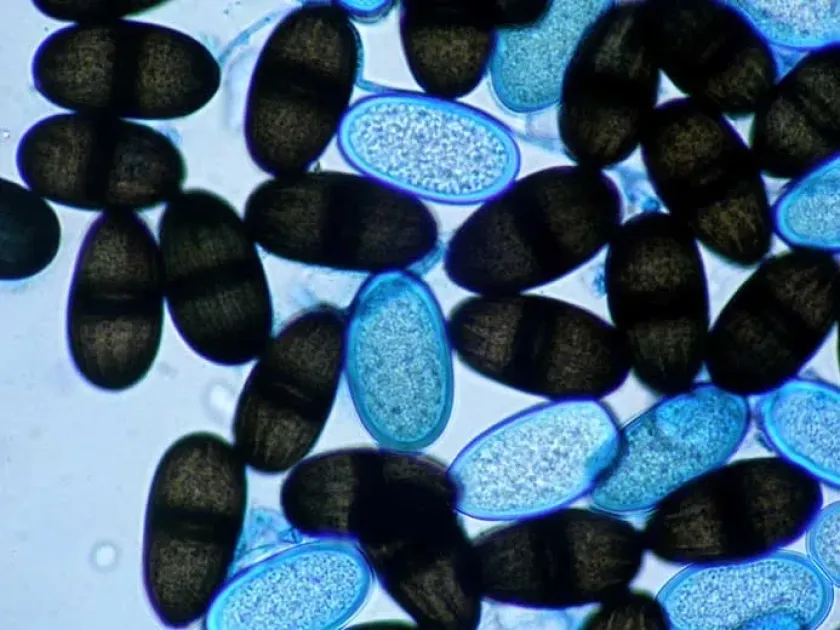
Description
Symptoms
The primary symptom is a dark discoloration starting at the crown or the cut end of the banana stalk. Over time, this discoloration turns into a deep black, soft rot.
As the infection advances, a fuzzy fungal mass, which may appear grey or black depending on the level of sporulation, covers the surface of the affected crown area.
The pulp of the banana becomes soft and mushy as the pathogen migrates downwards from the crown. This structural decay eventually makes the fruit unmarketable.
Fingers or individual bananas often detach from the main bunch due to the severe degradation of the crown tissue. This is a characteristic diagnostic feature of the disease during transit.
A foul, putrid odor often accompanies the infection, resulting from the combination of fungal degradation and secondary bacterial colonizers that thrive in the decayed tissue.
Pathogen
The causal agent of crown rot is the fungus Lasiodiplodia theobromae. It is a highly destructive pathogen known to attack a wide array of tropical and subtropical plants including bananas, mangoes, and cacao.
This pathogen belongs to the Botryosphaeriaceae family and is recognized for its versatility in survival. It persists in soil, plant debris, and infected tools, making sanitation highly difficult in plantations.
The fungus produces pycnidia which act as primary inoculums. Under favorable conditions, the spores are disseminated by wind and water splashes, leading to rapid infection of vulnerable plant tissues.
Lasiodiplodia theobromae utilizes a complex array of extracellular enzymes to degrade plant tissues. This enzymatic activity facilitates the colonization of fruit stalks and crown areas, leading to necrotic lesions.
The infection is often latent, meaning the fungus may colonize the crown during the growing phase but only shows visible symptoms after the banana bunch is harvested and begins the ripening process.
Conditions for development
High temperatures (25°C to 30°C) combined with high relative humidity provide the ideal environment for the proliferation of Lasiodiplodia theobromae spores and mycelial growth.
Poor ventilation during the shipping phase creates stagnant air and pockets of condensation, which act as moisture reservoirs that allow the fungus to infect crown tissues easily.
Mechanical damage caused during the harvesting and processing phases is the primary gateway for infection. Any nick or bruise on the crown tissue invites rapid colonization by the fungus.
Inadequate sanitation in packing houses facilitates the accumulation of spores on surfaces and in wash tanks, leading to cross-contamination of healthy bunches with infected ones.
Stressed plants due to poor agronomic practices exhibit increased susceptibility. Nutritional deficiencies or moisture imbalance can weaken the plant's natural resistance mechanisms against fungal attack.
Why it matters
Crown rot is one of the most economically damaging post-harvest diseases in the global banana trade, leading to substantial financial losses for exporters and importers.
The disease severely impacts the cosmetic quality of the fruit. Even minor symptoms render the bananas unattractive to consumers, resulting in high rejection rates at the retail level.
Logistical challenges arise as infected batches cannot be transported over long distances without extreme spoilage, forcing suppliers to discard entire shipments upon arrival.
The decay shortens the shelf life of the fruit, making it impossible to maintain supply chains in markets that require prolonged distribution times.
Economic damage also extends to the costs associated with excessive sorting, waste management, and the increased usage of chemical treatments to mitigate fungal outbreaks.
Protection
Effective control starts with rigorous hygiene practices in the packing house. Disinfecting tools and surfaces regularly significantly reduces the concentration of fungal spores.
Post-harvest fungicide treatment remains the gold standard. Dipping the banana crowns in a fungicidal solution effectively halts the development of Lasiodiplodia theobromae.
Strict temperature management is vital. Maintaining the banana storage and transport environment at 13°C to 14°C inhibits fungal activity and extends the product's shelf life.
Implementing gentle handling protocols during harvest and packaging is crucial to minimize crown damage and prevent entry points for the pathogen.
- Sanitation of de-handing knives and packing equipment.
- Application of approved systemic or contact fungicides.
- Proper air circulation in storage and ripening rooms.
- Monitoring fruit for early signs of decay during transit.
- Removal of all infected plant debris from the plantation area.
Pathogens and affected parts
Affects crops · 1
Discussion
No discussions yet — be the first.