
Fusarium sacchari
Fusarium sacchari
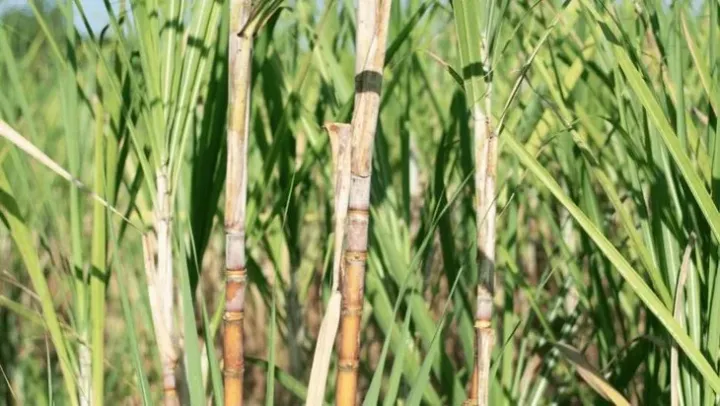
Description
How to identify
Fusarium sacchari is a pathogenic fungus belonging to the Kingdom Fungi and the genus Fusarium. It is a well-known agent causing significant diseases in tropical crops, primarily affecting sugarcane plantations worldwide. This pathogen is highly efficient at colonizing host tissues.
The fungus is characterized by the production of microconidia, macroconidia, and chlamydospores, which facilitate its survival in the soil and efficient dispersal through the environment. Its mycelium is septate, enabling rapid systemic spread through the plant's vascular network.
As a member of the Fusarium fujikuroi species complex, identification of Fusarium sacchari is complex and often requires laboratory techniques like PCR or morphological examination of culture growth. Visual observation alone is frequently insufficient for precise diagnosis.
The biological strategy of this pathogen involves secreting toxins that disrupt the plant's metabolism and physical integrity. It thrives by exploiting the nutrient-rich environment of the host's vascular system, leading to systemic infection.
Dispersal is achieved through various vectors, including contaminated planting material, wind-blown spores, and irrigation water. The pathogen's ability to remain dormant as chlamydospores ensures its persistence in fields across multiple seasons.
What it damages
The primary impact of Fusarium sacchari is on sugarcane, where it causes the condition often referred to as 'pokkah boeng' or systemic stalk rot. This leads to substantial reductions in both biomass and sugar yield, causing massive economic losses for the industry.
Damage begins with the infection of the basal parts or the root system, eventually moving upward through the stalks. The fungus blocks xylem vessels, which hinders the transport of water and nutrients, leading to rapid plant stress.
The disease causes significant malformations in young leaves, stunted growth, and a reduction in internode length. Severely infected stalks become soft and discolored, often leading to lodging, which complicates mechanical harvesting operations.
In addition to direct damage, the infection alters the biochemical profile of the sugarcane juice. The reduction in sucrose content significantly impairs the processing quality, making the harvested product less profitable for mills.
Secondary infections by other opportunistic pathogens frequently follow the initial colonization by Fusarium sacchari, accelerating the decomposition of the stalk tissues and further reducing the total recoverable sugar.
When it appears
Infection cycles are largely driven by high humidity and temperature, which are characteristic of tropical growing regions. While the pathogen is active year-round in some areas, the highest incidence occurs during peak rainy seasons when humidity facilitates spore germination.
Chlamydospores residing in the soil serve as the primary inoculum. When environmental conditions (moisture and root exudates) are favorable, these spores germinate and initiate the infection process in nearby sugarcane roots or stem bases.
Temperatures ranging from 25°C to 30°C provide the optimal conditions for mycelial growth and rapid spread. Deviations from these temperatures might slow down the development, but the pathogen's resilience ensures survival until conditions improve.
The early vegetative stage is the most critical time for monitoring. Young sugarcane plants have limited defenses, making them particularly vulnerable to early infection that can compromise the entire stand later in the season.
Post-harvest periods are crucial for field sanitation. Leftover infected crop residues act as a major reservoir for the pathogen. Failure to clear these residues ensures that the infection cycle will persist into the subsequent planting cycle.
Signs of infestation
Visible symptoms often start with chlorosis (yellowing) and subsequent wilting of leaves, particularly in the upper canopy. A classic sign is the distortion of leaves, which may emerge twisted, shorter, or narrower than normal.
Internal symptoms are revealed by splitting the stalk longitudinally. The vascular bundles often show a distinct reddish or reddish-brown discoloration, which is a hallmark of systemic Fusarium infection in sugarcane.
Advanced stages of the disease feature stalk rot accompanied by a distinct, unpleasant putrid odor. In high-humidity conditions, one might observe a whitish or pinkish fungal mycelium appearing on the surface of the stalk.
- Distortion and curling of emerging leaves (the 'pokkah boeng' sign).
- Reddish necrotic vascular tissue inside the stalks.
- Stunted plant growth and general lack of vigor.
- Development of side shoots (ratooning) due to loss of apical dominance.
- Death of the growing point leading to top rot.
Infected fields exhibit uneven growth patterns, with patches of stunted or lodged plants indicating areas of high pathogen pressure. In such zones, soil and debris are typically saturated with fungal spores.
Control measures
The cornerstone of management is the use of resistant varieties. Breeding programs focus on selecting sugarcane lines that demonstrate high levels of tolerance or resistance to Fusarium colonization.
Good agricultural practices, such as proper crop rotation and the destruction of infected residues, are essential to lower the inoculum level in the soil. Avoiding continuous cropping of susceptible varieties is strongly recommended.
Seed-cane treatment using systemic fungicides before planting is a standard practice to protect young shoots from soil-borne inoculum. This preventive measure is highly effective in establishing a healthy crop.
Integrated pest management (IPM) to control stem-boring insects is crucial. Insects create physical entry points for the fungus, so reducing their population significantly decreases the incidence of stalk-rotting diseases.
Effective water management, including proper drainage to prevent waterlogging, helps mitigate the conditions that favor the pathogen. Regular field scouting allows for the identification and removal of diseased plants, limiting the spread to healthy sections of the field.
Causes diseases · 1
Discussion
No discussions yet — be the first.