
Description
Symptoms
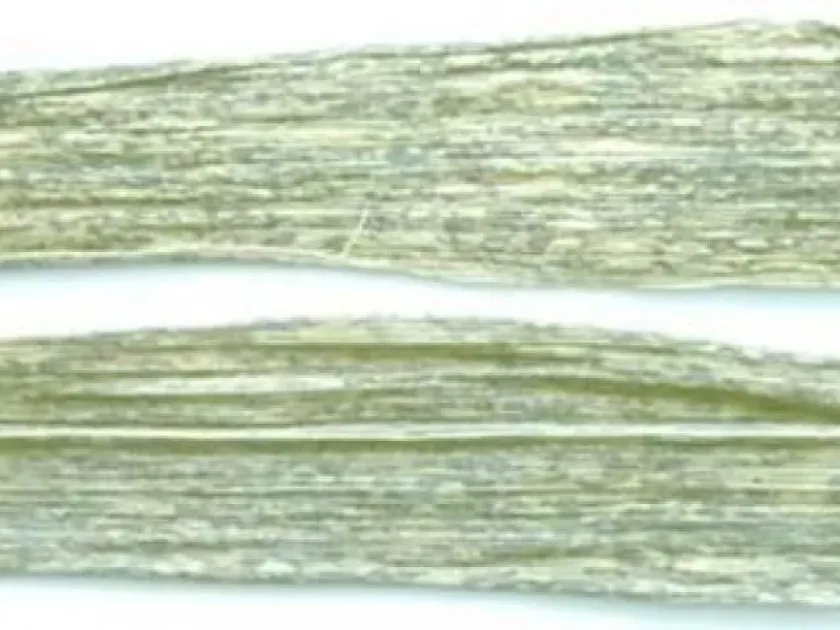
Initial symptoms include the appearance of light brown or beige spots on leaf blades and sheaths. These spots are often irregular in shape and frequently bordered by a dark margin.
A diagnostic feature is the development of tiny, black, dot-like fruiting bodies (pycnidia) within the centers of the necrotic spots, visible upon close inspection with a magnifying lens.
Severe infections cause premature yellowing and death of the lower leaves. If conditions remain favorable for the fungus, the infection can progress to the upper foliage and even stems.
In winter wheat, symptoms often manifest as zonate spotting. If left unmanaged, these lesions may merge, leading to a significant loss of leaf area and early senescence of the plants.
Unlike some other fungal leaf spots, the presence of these distinct pycnidia is a reliable indicator that allows farmers to differentiate this disease from other similar blights.
Pathogen
The causative agent of the disease is the fungus Pseudodiplodia avenae (formerly known as Ascochyta avenae). It is a member of the Coelomycetes group characterized by the production of pycnidia.
The fungus overwinters in infected crop residues and seeds as mycelium or pycnidia. It can survive for long periods, providing a reliable source of primary infection for new crops.
Besides oats, this pathogen is capable of infecting winter wheat, making it a significant concern for cereal production systems. It thrives under moderate temperatures and high humidity.
The fungus penetrates plant tissue through stomata or mechanical wounds. Once inside, the mycelium colonizes the inter-cellular spaces, disrupting the parenchyma and causing necrotic lesions.
During the growing season, the fungus produces conidia within its pycnidia. These spores are spread by wind, rain splashes, and sometimes insect activity to surrounding healthy plants.
Conditions for development
High humidity levels (exceeding 80%) are the most critical factor for the development and spread of Pseudodiplodia avenae. Frequent rainfall and overcast weather significantly increase infection rates.
The optimal temperature range for the pathogen's growth is between 18°C and 22°C (64-72°F). Rapid disease outbreaks often occur following warm, wet spells during the vegetative stage.
Dense crop stands create a humid microclimate at the base of the plant, which is ideal for spore germination and colonization, facilitating the movement of the fungus through the canopy.
Lack of crop rotation is a major risk factor. Continuous cropping of susceptible cereals leads to a massive accumulation of the fungus in the soil and on crop debris.
Plant stress, often caused by nutrient deficiencies or insect damage, weakens the host's natural defenses and makes it more susceptible to penetration by the fungus.
Why it matters
The primary damage from Ascochyta leaf spot is the reduction of green leaf area, which severely limits the plant's photosynthetic capacity and slows down biomass accumulation.
As the infection affects leaf sheaths and stems, the translocation of nutrients to the developing grain is disrupted. This results in shriveled, low-quality grain and lower overall yields.
Under favorable conditions for the fungus, crop losses can reach 10-25%. Furthermore, infected grain often contains the pathogen, making it unsuitable for future seeding without treatment.
Diseased plants are more vulnerable to secondary stresses, including drought, nutrient competition, and lodging. This adds to the economic burden of managing the crop effectively.
Market value is negatively impacted due to lower grain weight and potentially poor quality parameters, affecting the profitability of the entire cereal harvest.
Protection
Effective crop rotation is the cornerstone of control. Rotating oats and winter wheat with non-host crops like legumes or oilseeds helps decrease the soil-borne infection load.
Deep plowing of crop residues is essential to bury infected debris, accelerating its decomposition and reducing the initial inoculum available at the start of the season.
Using high-quality, fungicide-treated seeds is crucial. Seed treatment provides an essential barrier against early-stage infections and helps ensure uniform, healthy seedling establishment.
Foliar application of fungicides, such as triazoles or strobilurins, is recommended if weather conditions favor disease spread. Timing is critical for maximum efficacy.
- Use resistant or tolerant cereal cultivars where available.
- Maintain optimal plant density to improve air circulation.
- Control weeds that may act as alternative hosts for the fungus.
- Ensure balanced fertilization to strengthen plant immunity.
Pathogens and affected parts
Affects crops · 1
Discussion
No discussions yet — be the first.