
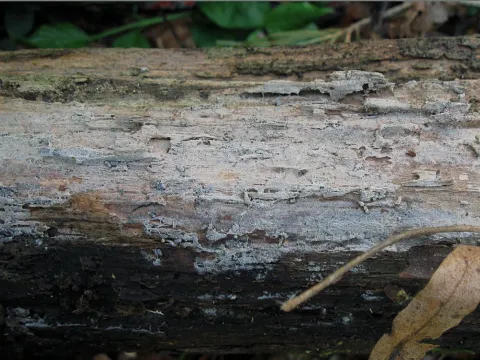
Ceratobasidium ramicola
Ceratobasidium ramicola
Ceratobasidium ramicola is a phytopathogenic fungus belonging to the kingdom Fungi, phylum Basidiomycota, and order Cantharellales. This microorganism acts as a pathogen capable of transitioning from saprotrophic to parasitic life stages, attacking the tissues of susceptible host plants.
What the section contains
Ceratobasidium ramicola
In field conditions, the fungus is primarily identified by the formation of mycelial films or reproductive structures on the surface of bark and leaves. Due to the microscopic nature of its spores, precise identification usually requires laboratory analysis of samples taken from the infected area.
The pathogen is considered both soil-borne and epiphytic, possessing high ecological plasticity. It survives on plant debris and within the soil, serving as a reservoir for recurring infections when environmental conditions are favorable.
The life cycle involves sexual reproduction through basidiospores, which facilitate initial infestation via wind or water splashes. Once established, vegetative mycelium rapidly colonizes tissues, utilizing specialized enzymes to degrade plant cell walls.
The development and spread of this pathogen are heavily dependent on high ambient humidity. Moderate temperatures are ideal for the fungus, making spring and autumn periods the most critical times for potential disease outbreaks.
The primary hosts for Ceratobasidium ramicola include various woody and ornamental shrub species. The fungus targets branches, shoots, and leaves, causing significant disruption to the plant's vascular system and nutrient transport.
The damage typically manifests as dieback of shoot tips and the formation of localized necrotic ulcers on the bark. Severe infections lead to premature defoliation, which significantly weakens the plant and reduces its tolerance to winter conditions.
For agricultural and horticultural crops, this pathogen is particularly dangerous because it creates entry points for secondary infections, such as bacterial rots and other opportunistic fungal pathogens that further degrade the plant's health.
In nursery settings, this fungus can cause widespread damage to young seedlings, leading to substantial economic loss and loss of plant stock. Weakened plants subjected to environmental stress are particularly prone to rapid colonization by this fungus.
Long-term damage includes structural deformation of the plant canopy. Frequent pruning of infected areas is often required to save the plant, which alters its natural growth habit and reduces overall aesthetic and commercial value.
The earliest signs of infection are typically characterized by darkening of tissues in the areas where the fungus is active. Leaves may curl, turn brown, and wilt, yet remain attached to the branches for a prolonged period.
Close inspection of young shoots often reveals a thin, spiderweb-like mycelial coating or greyish films on the surface. This is a primary visual indicator of the pathogen's active proliferation during periods of high humidity.
A hallmark symptom is the dieback of shoot tips, where the transition zone between healthy and infected tissue is often diffuse. While dry weather may temporarily halt progress, the necrosis typically resumes rapidly once moisture returns.
In dense canopies or lower branches, one might notice a faint, musty odor associated with the decaying tissue. This indicates deep-seated colonization of the bark and cambium layers by the fungal hyphae.
Leaves also exhibit irregular, grey-brown spots. Over time, these spots expand across the entire leaf surface, leading to complete degradation of the leaf structure and premature drop.
Sanitary pruning is the most effective method for controlling the spread of the disease. All infected branches must be removed promptly and destroyed by burning to reduce the overall inoculum load in the garden.
Chemical control measures include the application of fungicides, particularly copper-based contact products, which are highly effective against basidiomycete-type pathogens during the vegetative season.
Cultural management practices focus on ensuring adequate air circulation within the plant canopy. Thinning out overcrowded branches helps prevent the accumulation of moisture, which is a mandatory requirement for fungal growth.
It is essential to avoid overwatering the root zones and to ensure a balanced nutritional program to bolster the plant's natural immune system. Healthy, vigorous plants demonstrate greater resilience against pathogen invasion.
- Preventive fungicide sprays during early spring.
- Thorough collection and removal of fallen leaf litter.
- Sterilization of pruning tools to prevent cross-contamination.
- Use of biological stimulants to enhance plant vigor.
- Regular monitoring of plant health during prolonged rainy periods.