
Ceratocystis coerulescens
Ceratocystis coerulescens
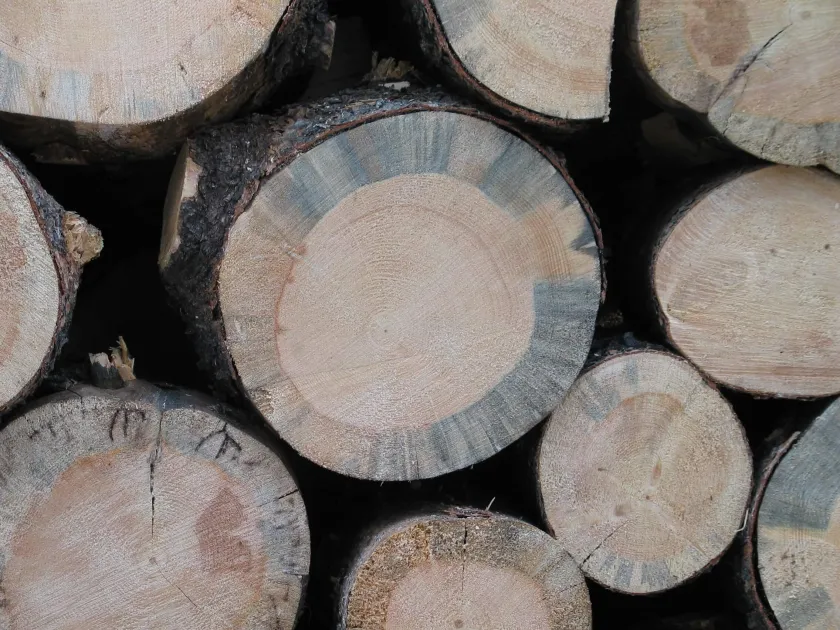
Description
How to identify
Ceratocystis coerulescens is a microscopic ascomycete fungus belonging to the Ceratocystidaceae family. It is widely recognized as a primary causative agent of blue stain disease in the sapwood of various hardwood tree species.
The fungus is characterized by its dark, melanized hyphae, which penetrate deep into the wood xylem. It is an ecologically significant pathogen that thrives in wood tissues, utilizing nutrients stored within the parenchyma cells.
The biological cycle of this pathogen is strictly tied to insect vectors, particularly bark beetles. These insects carry spores on their bodies, introducing them into the trees during their burrowing activities.
Environmental conditions such as high wood moisture content and moderate temperatures are ideal for the rapid proliferation of Ceratocystis coerulescens. The fungus can colonize logs within a very short period after felling.
Taxonomically, it is classified within the order Microascales. Its ability to cause profound discoloration has made it a subject of extensive study in the field of wood science and forest mycology.
What it damages
The fungus mainly affects hardwood species, with maple (Acer spp.) being highly susceptible. It invades the sapwood, causing a characteristic blue-to-gray discoloration that penetrates deep into the timber.
The primary economic damage is the significant reduction in timber quality. Discolored wood is often rejected for high-value uses such as furniture manufacturing, veneer, or architectural finishing.
While the structural strength of the wood is generally not immediately compromised to the same degree as by wood-rotting fungi, the aesthetic degradation is permanent and non-reversible.
In living trees, the fungus can contribute to the overall decline of host health, especially when acting in synergy with other pests or environmental stressors. It hinders the tree's internal water transport systems.
Global trade and the movement of raw timber can facilitate the spread of this pathogen to new geographical areas, potentially threatening local forest ecosystems and timber industries.
Signs of infestation
The most diagnostic sign of an infection is the intense blue, black, or gray staining visible on the transverse sections of logs or lumber. Unlike surface molds, this stain is deep-seated.
Infected areas often show streaks or wedge-shaped patterns following the radial rays of the wood. These patterns correspond to the movement of the fungal mycelium through the vascular tissue.
The presence of insect exit holes or galleries is frequently associated with the infection sites, as the insects provide the necessary entry wounds for the fungal spores.
Microscopic examination of the wood reveals the presence of fungal hyphae within the tracheids and ray parenchyma. Under specific conditions, the fungus may produce small, dark perithecia.
In cases of advanced infection, the affected wood may appear dull, and if the timber is left in a humid environment, it may develop a secondary bloom of conidiophores on the surface.
Control measures
Prevention is the most effective strategy against Ceratocystis coerulescens. This includes rapid extraction of felled timber from the forest to minimize the window of opportunity for beetle colonization.
Kiln drying of lumber is a standard and highly effective control method. Reducing wood moisture content below 20% effectively inhibits fungal growth and preserves the material quality.
Applying preventative fungicidal coatings to the ends of logs and freshly cut lumber creates a chemical barrier that prevents spore germination and mycelial penetration.
Integrated forest management, including the removal of dead or stressed trees, helps to reduce the population of insect vectors that transmit the fungus within the forest ecosystem.
- Rapid log processing and storage optimization.
- Effective kiln drying procedures.
- Application of chemical antifungal wood preservatives.
Causes diseases · 1
Discussion
No discussions yet — be the first.