
Cephalothecium roseum
Cephalothecium roseum
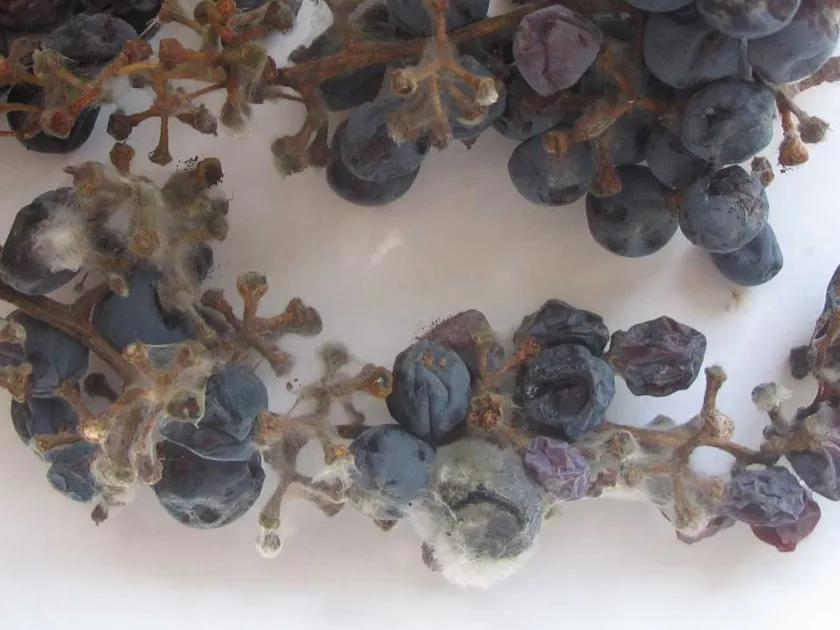
Description
How to identify
Cephalothecium roseum (syn. Trichothecium roseum) is a Deuteromycete fungus belonging to the division Ascomycota. It is a common saprotroph that can act as a facultative parasite.
The fungus produces fluffy, pinkish or salmon-colored mycelial pads. Its conidiophores are simple and bear clusters of colorless, two-celled conidia at their tips, which give the colonies their characteristic appearance.
This fungus is ubiquitous in the environment, inhabiting soil and decaying organic matter, from where it spreads easily via wind currents or insect vectors.
It possesses powerful enzymatic capabilities, allowing it to rapidly break down plant tissues, especially when the integrity of the plant surface is compromised.
Laboratory identification involves culturing on potato dextrose agar, where the fungus exhibits rapid growth and distinct salmon-pink sporulation patterns.
What it damages
This pathogen primarily affects fruits such as apples, pears, peaches, and tomatoes, causing a condition known as pink rot, particularly during storage.
Infection occurs mainly through mechanical injuries, insect-feeding wounds, or sunscald, and sometimes via the stem end of the fruit during handling.
In storage facilities, the disease spreads rapidly by contact, moving from infected fruits to healthy ones, which can lead to significant losses in harvested stocks.
Besides fruits, the fungus may attack weakened young shoots or blossoms of certain plants, reducing overall crop vigor and fruit set potential.
The fungus is known to produce trichothecene mycotoxins, which contaminate the produce and render it unfit for consumption or industrial processing.
When it appears
Field infection usually peaks during the fruit maturation period, especially under warm, humid conditions with temperatures ranging from 20°C to 25°C.
In storage, the disease becomes most destructive when the temperature rises above 0...+2°C, accompanied by high relative humidity within the storage rooms.
The presence of free moisture is critical for the germination of conidia on the fruit surface, facilitating the rapid development of the pathogen.
The fungus overwinters as mycelium and spores on crop debris, in the soil, and on the surfaces of containers or storage walls.
Under optimal conditions, the infection cycle can be completed in just a few days, leading to rapid development of outbreaks if not strictly managed.
Signs of infestation
Initial symptoms include the appearance of whitish-gray spots on the fruit surface, which quickly expand and become covered with a fluffy pinkish fungal growth.
Tissues underlying the infected areas soften, become water-soaked, and turn brown, with the decay penetrating deep into the internal structure of the fruit.
The affected fruit flesh develops a characteristically bitter taste and a distinct odor, making the entire fruit inedible even if only a small part is visibly rotten.
During prolonged storage, infected areas may become depressed and sunken, often bordered by a ring of pinkish sporulation along the margins of the lesion.
- Fluffy pinkish growth on the fruit skin.
- Rapid softening and browning of tissues.
- Bitter taste in the flesh surrounding the rot.
- Sunken, depressed lesions on stored produce.
Control measures
Sanitation is the primary control method, involving the thorough removal and destruction of all plant debris and fallen fruits from the orchard after harvest.
Effective pest management is essential, as controlling insect species that damage fruit skin prevents the entry points necessary for fungal colonization.
Only sound, injury-free fruits should be selected for storage; any fruit showing signs of damage or bruising must be culled immediately to prevent spread.
Maintaining a stable cold storage environment with optimal ventilation is crucial to prevent the accumulation of moisture and inhibit fungal growth.
Disinfecting storage containers and facilities using approved fungicides or sulfur fumigation helps reduce the initial inoculum load and limits secondary spread.
Causes diseases · 1
Discussion
No discussions yet — be the first.