
Cephalosporium acremonium
Cephalosporium acremonium
Description
How to identify
Cephalosporium acremonium is a microscopic fungus classified within the phylum Ascomycota. It is recognized as a soil-borne pathogen capable of colonizing the vascular systems of various agricultural crops.
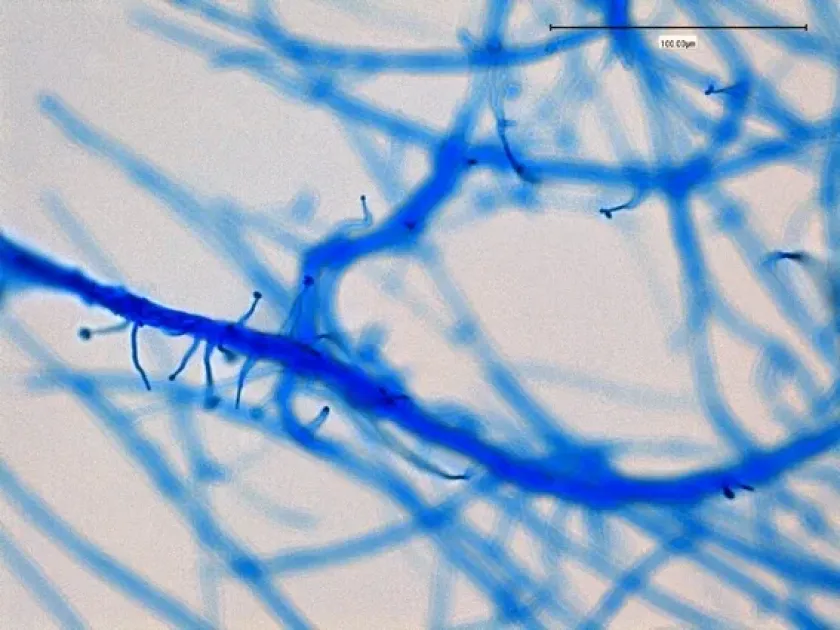
The fungus is characterized by the production of septate hyphae and small, hyaline conidia, which are formed on delicate conidiophores. These spores serve as the primary source of dissemination in fields.
From a biological standpoint, the species is widely known for its ability to produce cephalosporin, an antibiotic substance, making it a subject of significant industrial and medical interest.
Its life cycle involves survival in plant debris during the off-season. Once environmental conditions, such as warm temperatures and moisture, become favorable, the fungus enters the host plant through wounds or natural openings.
Detection often requires professional diagnostic methods such as ELISA testing, PCR analysis, or plating on selective media to differentiate it from other vascular wilt pathogens in the complex.
What it damages
The most notable host for Cephalosporium acremonium is corn (maize), where it is associated with Cephalosporium wilt, a disease that impairs the plant's ability to transport water.
In addition to corn, the fungus can affect several other cereal crops and vegetable species. It often acts as a secondary invader following injury or environmental stress on the plant.
The damage occurs when the fungal mycelium colonizes the xylem vessels. This colonization blocks the vascular system, preventing the upward movement of water and dissolved nutrients, leading to systemic stress.
Impacts include severe reductions in crop yield, poor kernel development on ears, and, in severe cases, plant death. Grain quality is drastically lowered, often leading to discoloration and increased susceptibility to other rots.
Agricultural losses due to this pathogen can be significant, especially in continuous cropping systems where the inoculum levels in the soil build up over several seasons.
Signs of infestation
Visible symptoms often include the premature yellowing and wilting of leaves. This chlorosis typically begins at the base of the plant and progresses upwards as the vascular blockage worsens.
Internal examination of the lower stem reveals a diagnostic browning or darkening of the vascular bundles, which is a key indicator for distinguishing this disease from other stalk rot pathogens.
On the ears of corn, the pathogen may cause dark, brownish-black discolorations at the base of the cob, often referred to as the "black bundle" symptom, visible when husks are removed.
Plants affected by the pathogen show signs of stunted growth and a general decline in vigor. The lack of proper hydration results in smaller, poorly filled ears and light-weight grain.
During high humidity, a faint white fungal growth may appear on infected plant tissues, though this sign is less reliable than the internal vascular browning for field diagnosis.
Control measures
Crop rotation is the most effective cultural practice to manage Cephalosporium acremonium. By rotating away from susceptible hosts for 2–3 years, the pathogen population in the soil decreases significantly.
Proper management of crop residues is essential. Deep tillage to bury infected stalk debris helps speed up decomposition and limits the survival of the fungus between seasons.
Selecting resistant hybrids is a primary breeding strategy. Resistant varieties have stronger vascular anatomy and biochemical defenses that prevent the pathogen from establishing colonization.
Pest management is critical, particularly for insects that bore into stalks. By minimizing mechanical damage from insects, farmers can significantly reduce the entry points for the pathogen.
Seed treatment with systemic fungicides provides an important safeguard during the germination and early vegetative stages, preventing the infection of young seedlings by soil-borne inoculum.
Causes diseases · 1
Discussion
No discussions yet — be the first.