
Cocoa necrosis
Cacao necrosis
Cocoa necrosis is a plant disease caused by the Cocoa necrosis virus (CNV), which belongs to the Ilarvirus genus within the Bromoviridae family.
What the section contains
Cocoa necrosis
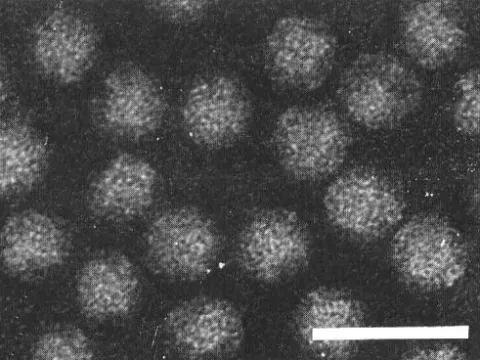
The pathogen is a single-stranded RNA virus with spherical particles. It specifically invades the vascular tissues of cacao trees, disrupting nutrient transport and cellular metabolism.
Positive identification in the field is challenging because symptoms are often non-specific and mimic nutrient deficiencies or fungal infections. Diagnosis is typically confirmed via laboratory tests like ELISA.
The virus is primarily transmitted by insect vectors such as mealybugs and thrips that feed on sap. Mechanical transmission during pruning or harvest is also a significant concern.
The pathogen reservoir includes infected host trees, soil particles, and various weed species that may harbor the virus between growing seasons.
The primary host is Theobroma cacao. The virus causes systemic damage to foliage, stems, and pods, leading to significant economic losses for cocoa producers.
Chlorosis and necrosis on leaves impair photosynthesis, weakening the tree's vigor. Weakened trees become highly susceptible to opportunistic diseases and pest infestations.
Yield loss is significant due to flower abortion and fruit deformities. Infected trees show a marked decrease in cocoa bean weight and fat content.
The disease spread can rapidly cover an entire plantation if management practices are poor. This often necessitates total removal of infected blocks to save the remaining healthy crop.
Long-term damage includes the loss of productive agricultural land and the high cost of clearing and replanting devastated areas with virus-free seedlings.
Visible symptoms often start as chlorotic spots on the leaves, which eventually turn into brown necrotic areas as the infection progresses.
Leaf distortion is common, with edges curling or drying out. In severe cases, extensive defoliation occurs, exposing the interior branches to excessive sun.
Stems and young branches may display longitudinal cracks or necrotic streaks that hinder effective sap movement throughout the tree.
Fruit pods are frequently stunted, misshapen, and exhibit mottled skin, which directly affects the internal quality of the beans inside.
- Vein yellowing on foliage
- Brown necrotic leaf lesions
- Reduced fruit development
- Twig dieback
- General tree stunting
Strict quarantine measures should be implemented to prevent the introduction of the virus into virus-free cultivation regions through infected plant material.
Effective management requires the continuous monitoring and control of insect vectors using IPM (Integrated Pest Management) techniques.
Immediate roguing (removal and destruction) of symptomatic plants is critical to preventing the virus from spreading to the rest of the plantation.
Sanitation of agricultural tools is essential; disinfection of blades after contact with each plant prevents the transmission of the virus during routine maintenance.
Research efforts focus on breeding resistant cacao cultivars, which represents the most sustainable long-term strategy for managing the disease globally.