
Acidovorax avenae
Acidovorax avenae
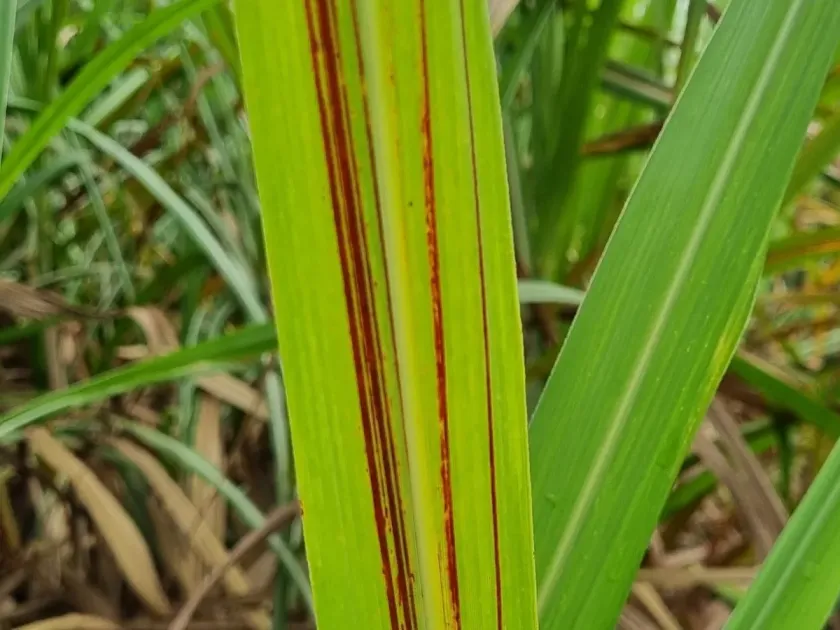
Description
How to identify
Acidovorax avenae is a Gram-negative, aerobic, rod-shaped bacterium belonging to the family Comamonadaceae. It is a motile organism, possessing a single polar flagellum that facilitates movement in wet environments.
The bacterium is a significant plant pathogen known for its ability to colonize vascular tissues and leaf parenchymal cells of various monocotyledonous plants, particularly cereals and grasses.
Survival of the pathogen in the environment is achieved through persistence in seeds, infected plant debris, and soil, serving as a primary source of inoculum for subsequent growing seasons.
Genetic diversity within the species Acidovorax avenae allows it to adapt to various environmental conditions and host resistance mechanisms, complicating standard control practices.
Detection in the laboratory is typically performed using selective isolation media, biochemical characterization, and molecular diagnostic tools such as PCR to ensure precise identification of the pathogen.
What it damages
The pathogen causes bacterial leaf blight, leaf spot, and sometimes systemic wilting in crops like oats, rice, wheat, corn, and sorghum. It significantly disrupts the host's normal physiological functions.
The colonization of vascular bundles interferes with water and nutrient transport, leading to reduced photosynthetic activity, stunted growth, and a substantial decrease in yield potential.
In severe infections, the plant may collapse or fail to produce viable seed. The economic damage is compounded by the poor quality of the grain produced by infected plants.
The pathogen can also serve as a precursor to secondary infections, as damaged tissues become highly susceptible to opportunistic fungi and other opportunistic bacterial invaders.
Seed-borne transmission is a major factor in the geographic spread of the disease, allowing the pathogen to reach new agricultural regions through the movement of contaminated commercial seed lots.
When it appears
Disease development is highly dependent on environmental factors, with the pathogen thriving in warm, humid conditions. Temperatures between 25°C and 30°C are generally considered optimal for bacterial replication.
Outbreaks often occur following heavy rainfall or periods of prolonged high humidity, which facilitate the release and dispersal of bacteria from infected to healthy plant tissues.
While the pathogen's activity slows during hot, dry summer months, irrigation practices can sustain the infection, potentially leading to mid-season outbreaks in managed agricultural settings.
The pathogen survives the off-season in a latent state within crop residues and seeds, reactivating when environmental conditions become conducive at the beginning of the next growing cycle.
The timing of infection is closely linked to the developmental stages of the host, with young, actively growing seedlings being particularly susceptible to initial colonization.
Signs of infestation
The primary symptom is the appearance of small, water-soaked spots or long, narrow, chlorotic stripes on leaves. Over time, these lesions darken to a brown or necrotic color.
In humid conditions, a milky bacterial ooze can often be observed on the surface of the lesions. Upon drying, this ooze forms a thin, shiny, or crusty residue on the plant tissue.
Severe infections may lead to systemic symptoms, including the rolling and withering of leaves, as well as dark discoloration and softening of the stem bases or roots.
- Water-soaked, elongated leaf lesions.
- Bacterial ooze or exudate in damp conditions.
- Yellowing and necrosis of leaf tissues.
- Stunted plant growth and development.
- Discolored or shriveled grain seeds.
Differentiating this pathogen from others requires field observation of the characteristic bacterial streaming test, where cut leaf tissue is placed in water to observe the bacterial mass leaking from the veins.
Control measures
The foundation of management is the use of certified, disease-free seed. Seed treatments can help reduce the incidence of primary infections originating from contaminated lots.
Cultural practices, including proper crop rotation and the deep incorporation of crop residues into the soil, are essential for breaking the pathogen's life cycle and reducing the initial inoculum.
Controlling weeds that act as alternative hosts is another critical strategy for minimizing the persistence of the bacteria in and around the agricultural fields.
While chemical controls such as copper-based bactericides may provide temporary suppression, they are often difficult to apply effectively once the disease has progressed to systemic infection.
Future resistance breeding programs are vital for long-term control, as they offer the most sustainable solution to reducing the impact of Acidovorax avenae on global cereal production.
Causes diseases · 1
Discussion
No discussions yet — be the first.