
Xylella fastidiosa
Xylella fastidiosa
Description
How to identify
Xylella fastidiosa is a gram-negative, xylem-limited bacterium belonging to the family Xanthomonadaceae. It is a highly significant plant pathogen known for its ability to colonize and obstruct the plant's vascular system.
The bacterium belongs to the class Gammaproteobacteria. It is an obligate parasite, meaning it depends on the xylem sap of its host to survive, although it is also capable of colonizing the gut of insect vectors that feed on this sap.
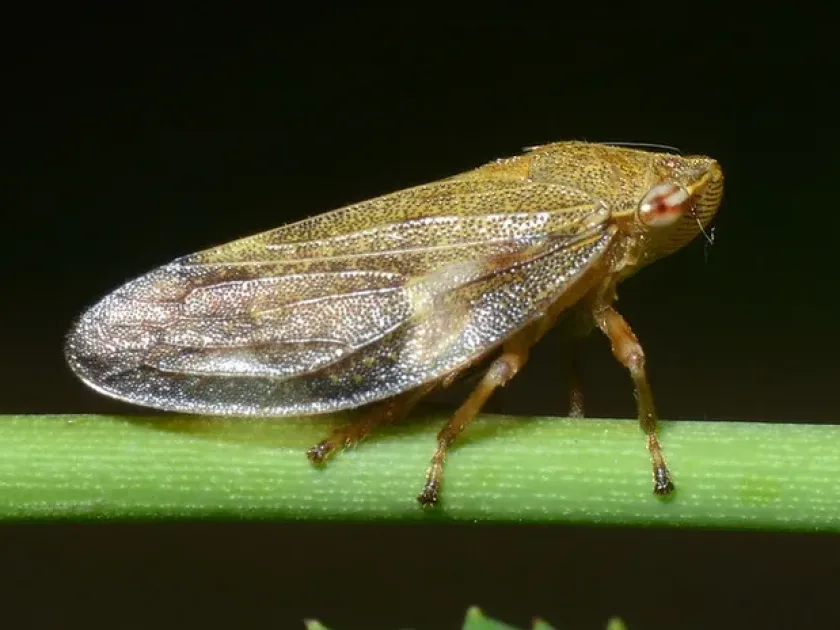
Transmission occurs primarily through xylem-feeding insects, such as spittlebugs and sharpshooters. These insects acquire the bacteria while feeding and then introduce them into healthy plants during subsequent feeding sessions.
The host range of Xylella fastidiosa is incredibly broad, encompassing hundreds of plant species including agricultural crops, ornamental plants, and native forest trees. This diversity makes the pathogen difficult to contain.
Because it is incurable and causes massive agricultural losses, Xylella fastidiosa is classified as a quarantine organism globally, and strict regulations are in place to control its international movement.
What it damages
This pathogen causes severe diseases in major crops, most notably Pierce's disease in grapevines, citrus variegated chlorosis in citrus, and olive quick decline syndrome in olive trees, as well as leaf scorch in almonds and coffee.
In grapes, the bacterium clogs the xylem, preventing water transport. This leads to reduced berry size, shriveling, and eventually the death of the vine, often within a few years of the initial infection.
Olive quick decline syndrome is characterized by rapid desiccation of leaves and twigs, which progresses to the entire tree. This disease has devastated millions of olive trees, particularly in the Mediterranean region.
Citrus trees infected with Xylella show symptoms of nutrient deficiency, small leaves, and significantly reduced yields. The infected trees may eventually lose their commercial viability and need to be removed.
Ornamental plants and native trees serve as reservoirs for the bacteria, which allows the pathogen to persist in an area even if the primary agricultural crops are removed or treated.
When it appears
The activity and spread of Xylella fastidiosa are dictated by the life cycle of the insect vectors. The most intense transmission periods occur in late spring and summer when insect populations are most active.
Temperature plays a crucial role in the development of the disease. The bacterium grows best in warm climates, with optimal temperatures for multiplication ranging between 25 and 30 degrees Celsius.
During the winter, the bacteria remain dormant within the xylem vessels. While they are sensitive to extreme heat, they are well-adapted to temperate climates and can survive cold periods within the protected environment of the plant.
Long-distance spread is almost exclusively driven by human activity, specifically the transport of infected nursery stock. This highlights the importance of using certified disease-free material when establishing new plantings.
Microclimate factors, such as irrigation and vegetation cover, can influence the density of insect vectors. Increased moisture and abundant weed growth can support larger populations of vectors, thereby increasing the risk of infection.
Signs of infestation
The most iconic symptom is marginal leaf scorch, where the edges of leaves turn brown and dry out as if burnt. This necrosis often expands inward, eventually affecting the entire leaf and causing premature leaf drop.
Infected plants often exhibit stunted growth and loss of vigor. The inability to transport water leads to wilting, which is particularly noticeable during the heat of the day, even when the soil is adequately moist.
Internal symptoms are visible upon microscopic examination or by cutting the wood, which often shows discoloration in the xylem vessels due to the buildup of bacterial biofilms.
The disease often shows an uneven distribution within the canopy of a tree, with some branches showing severe symptoms while others may appear relatively healthy in the early stages of the infection.
- Marginal chlorosis and necrosis of leaves.
- Reduced vigor and stunted shoot growth.
- Early abscission of fruit and foliage.
- Progressive dieback of branches from the top down.
- Overall tree collapse and death.
Control measures
The most effective strategy for managing Xylella fastidiosa is strict quarantine and early detection. Monitoring programs are essential for preventing the entry of the pathogen into new areas.
Once an infection is confirmed, control efforts often involve the removal and destruction of infected plants and surrounding vegetation to minimize the risk of spreading to neighboring healthy plants.
Vector control, including the application of insecticides and management of habitats, can help reduce the rate of new infections. However, this is a supplementary measure and not a cure for the disease.
Breeding and selecting resistant or tolerant varieties of crops is the most promising long-term solution. Research is currently focused on identifying genetic traits that allow plants to withstand the presence of the bacteria.
Good agricultural practices, such as maintaining plant health and removing weeds that host the vectors, are critical for minimizing the impact of the disease in areas where it has already become established.
Causes diseases · 2
Discussion
No discussions yet — be the first.