
Phloeospora leaf spot
Phloeospora azaleae
Description
Symptoms
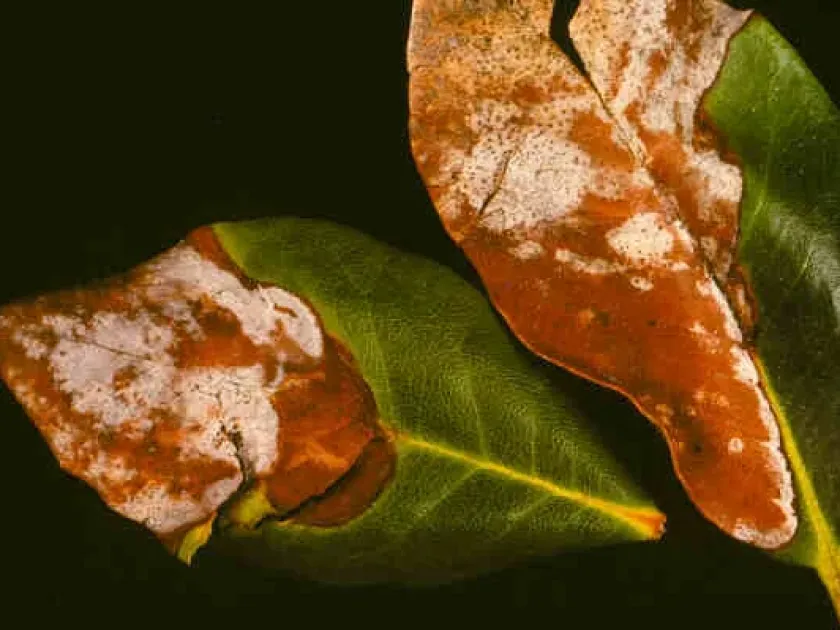
The primary symptom of this disease is the appearance of small, round, or irregular spots on the leaves. These spots are usually brown or grayish and often feature a dark border.
Over time, these spots expand, and within the necrotic tissue, you may notice tiny black dots. These are pycnidia, the fruiting bodies of the fungus Phloeospora azaleae.
Affected leaves eventually yellow and drop prematurely, leading to significant defoliation of the plant. This leaves the branches bare and negatively impacts the overall plant structure.
In high humidity, a light fungal growth or spore mass may appear on the underside of the foliage, which is characteristic of active fungal sporulation and disease progression.
If left untreated, the infection can spread to younger shoots, causing them to wither or show signs of dieback, eventually compromising the health of the entire azalea bush.
Pathogen
The disease is caused by the fungus Phloeospora azaleae, which specifically targets members of the Rhododendron genus, including ornamental azaleas.
The pathogen survives the winter in fallen leaves and on infected branches as mycelium or dormant pycnidia. It waits for favorable conditions in the spring to initiate the next cycle of infection.
Conidia (spores) are spread through the air or by splashing water, such as rain or irrigation. Once the spores land on susceptible leaf surfaces, they germinate and penetrate the plant tissue.
The fungus is highly specialized, though it has been observed on related plant species, including certain varieties of Sycamore and potentially other susceptible woody plants, depending on environmental factors.
Understanding the life cycle of this pathogen is crucial for management, as the removal of infected plant debris is the most effective way to reduce the inoculum level in your garden.
Conditions for development
Excessive moisture is the most critical factor for the development of Phloeospora leaf spot. High humidity levels in greenhouses or extended periods of rain in gardens create perfect conditions.
Temperatures ranging from 18°C to 24°C are ideal for the rapid spread of the fungus. During these periods, the pathogen can quickly colonize large areas of the plant's foliage.
Poor airflow, often caused by overcrowding or lack of pruning, keeps the foliage wet for longer periods, which significantly increases the risk of successful fungal infection.
Overhead irrigation is a common contributor to the spread of the disease. By wetting the leaves, water droplets provide a medium for the spores to swim or drift into the leaf pores.
Plants that are already stressed due to poor soil pH, nutrient deficiencies, or insufficient sunlight are naturally more susceptible to Phloeospora azaleae outbreaks.
Why it matters
The most immediate harm caused by this disease is the significant reduction in the aesthetic appeal of the azalea plant, which is the primary reason for growing these shrubs.
Defoliation disrupts the plant's ability to undergo photosynthesis effectively. This depletion of energy prevents the plant from developing healthy buds for the following blooming season.
Chronically infected plants become weak and lose their natural winter hardiness. As a result, they are more likely to succumb to frost damage or environmental stressors in late winter.
In commercial nursery settings, this disease can cause massive losses of stock. If not identified quickly, the pathogen can spread rapidly throughout the entire inventory.
Furthermore, weakened plants are more susceptible to secondary attacks from other pathogens, such as secondary bacteria or other leaf spot fungi, which complicates the recovery process.
Protection
Effective control requires a multi-faceted approach. Sanitary practices, such as raking up and burning all fallen leaves, are essential to remove the source of infection for the next season.
Change your watering strategy to drip irrigation or ground-level watering. Always avoid wetting the foliage, especially during late afternoon hours when leaves stay damp all night.
Regular pruning is vital to improve air circulation within the shrub canopy, which helps foliage dry faster and discourages fungal spores from germinating.
Chemical intervention involves using preventative or systemic fungicides. Products containing copper or modern triazole compounds are generally effective when applied at the first sign of symptoms.
- Monitor plants weekly during the growing season.
- Maintain optimal soil pH (between 4.5 and 5.5 for azaleas).
- Sanitize pruning tools with alcohol to prevent cross-contamination.
- Apply mulch to prevent soil-borne spores from splashing onto lower leaves.
Pathogens and affected parts
Affects crops · 4
Discussion
No discussions yet — be the first.