
Xanthomonas vasicola
Xanthomonas vasicola
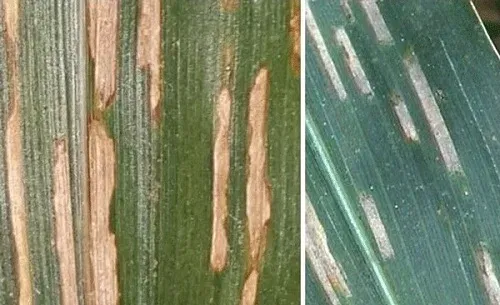
Description
How to identify
Xanthomonas vasicola is a Gram-negative, aerobic, rod-shaped bacterium belonging to the Xanthomonadaceae family. It is a highly specialized plant pathogen known for colonizing the vascular systems of its hosts.
The species encompasses several pathovars, including vasicola, which is particularly destructive to maize (corn) crops, and vasculorum, which primarily affects sugarcane. It is classified as a quarantine organism in several regions due to its impact.
The bacterium is characterized by its ability to produce a yellow pigment called xanthomonadin, which provides protection against UV radiation and is a key feature when culturing the pathogen in a laboratory setting.
It persists in plant debris, soil, and seeds, utilizing these as reservoirs for infection. The pathogen's ability to survive in various environments makes integrated management strategies essential for field sanitation.
Genetic diversity within the species poses a challenge for breeders aiming to develop resistant cultivars, necessitating continuous surveillance and molecular diagnostics for accurate identification.
What it damages
The primary hosts of Xanthomonas vasicola are maize, sugarcane, and sorghum. It induces systemic vascular infections that severely impede the plant's physiological functions.
In maize, the pathogen causes bacterial leaf blight. It infects the vascular bundles, leading to tissue necrosis, reduced photosynthetic capacity, and ultimately, significant yield losses.
Sugarcane crops affected by the pathogen suffer from gumming disease, where the bacteria plug the xylem vessels, causing a reduction in juice quality and stalk production.
The economic impact is substantial, as infected plants exhibit stunted growth, reduced kernel filling, and, in severe cases, total crop failure across infested field sections.
Damage is characterized not only by quantitative yield loss but also by the degradation of fodder quality, making it a critical concern for both grain and livestock producers.
When it appears
Infection thrives under warm, humid conditions, with optimal bacterial growth occurring between 25°C and 30°C. Frequent rainfall is a major factor in the pathogen's spread across fields.
The seasonal cycle begins with primary inoculum from contaminated seeds or overwintered crop residues. Infection typically initiates during the vegetative growth stages of the crop.
Secondary dissemination is facilitated by wind-driven rain, irrigation water, and insects. Bacteria enter the plant through natural openings like stomata or through wounds created by mechanical damage.
As the season progresses toward maturity, the pathogen remains active in the vascular system. Increased leaf wetness duration significantly raises the risk of severe epiphytotic outbreaks.
Towards the end of the season, as plants dry out, the bacteria settle into dormant states within the plant tissues, preparing to survive the winter months until the next growing season.
Signs of infestation
Initial symptoms present as narrow, water-soaked, chlorotic stripes running parallel to the leaf veins. These stripes often expand into larger necrotic areas over time.
A distinctive feature is the reddish-brown or dark brown discoloration of the affected tissue, often accompanied by a pale, bacterial ooze visible under high humidity.
When the ooze dries, it forms a thin, shiny crust on the surface of the leaves, which is a common diagnostic indicator for the presence of Xanthomonas species.
Systemic colonization of the vascular system leads to the wilting of leaves and stalks, giving the plant a burned or scorched appearance, particularly during hot afternoons.
Deformation of the leaf blade and premature leaf senescence are common outcomes of advanced infection, drastically reducing the effective leaf area for energy production.
Control measures
The primary control measure is the use of high-quality, certified pathogen-free seeds. Seed health testing is crucial to prevent the introduction of the pathogen into new areas.
Implementing a diverse crop rotation is recommended to break the life cycle of the bacteria, ensuring that susceptible hosts are not grown in the same field for multiple consecutive years.
Sanitation practices such as the deep incorporation or removal of crop residues are vital to eliminate overwintering sites, significantly reducing the primary inoculum for the next season.
Integrated pest management to control stalk-boring insects helps reduce mechanical wounding of plants, thereby limiting the entry points for the bacterial pathogen.
- Selection and planting of genetically resistant maize hybrids.
- Thorough cleaning and disinfection of farm machinery after handling infested material.
- Monitoring fields for early symptoms to contain localized outbreaks quickly.
Causes diseases · 1
Discussion
No discussions yet — be the first.