
Western-X phytoplasma
Western-X phytoplasma
Description
How to identify
Western-X phytoplasma is a specialized plant pathogen classified within the group Candidatus Phytoplasma pruni. These organisms are wall-less bacteria that reside exclusively within the phloem tissues of host plants, disrupting nutrient transport.
The pathogen is transmitted primarily by leafhoppers, specifically species such as Colladonus montanus. Once an insect acquires the phytoplasma by feeding on an infected plant, it remains a vector for the rest of its life cycle.
Phytoplasmas cannot be cultured in laboratory media, which makes them challenging to study. Detection typically relies on molecular techniques like PCR, which identify the specific genetic markers of the pathogen in plant sap or insect vectors.
In addition to insect vectors, the pathogen spreads through grafting and budding using infected scion wood. Because the disease often remains latent for long periods, asymptomatic trees can unknowingly spread the infection throughout a nursery.
The biology of the organism involves systemic colonization of the host plant. Over time, the phytoplasma population reaches high concentrations in the phloem, leading to the severe physiological decline of the host tree.
What it damages
Western-X disease primarily targets stone fruits, particularly cherries, peaches, and nectarines. The infection disrupts the translocation of sugars and other nutrients from leaves to fruits, causing a range of metabolic disorders.
Economic damage is largely driven by the severe reduction in fruit quality. Infected trees produce small, stunted fruits that often exhibit poor coloration, bitterness, and a lack of marketability, making them unfit for consumption.
The disease causes significant yield losses as fruits prematurely drop from the trees before they can reach maturity. In severe cases, commercial orchards may experience total crop failure within just a few seasons of initial exposure.
Beyond fruit quality, the long-term impact on tree health is fatal. Affected trees show signs of chronic decline, with progressive branch dieback and an inability to recover from environmental stress, eventually leading to tree death.
The necessity of removing infected trees and the potential for rapid spread among susceptible varieties necessitate strict quarantine measures and high maintenance costs for affected commercial fruit enterprises.
Signs of infestation
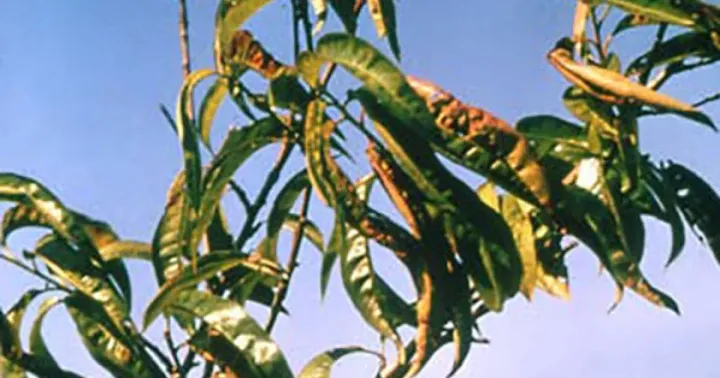
Symptoms in cherries and peaches often appear in mid-to-late summer. Foliage may exhibit characteristic rolling or cupping of the leaves, accompanied by a distinct red or purple discoloration that indicates a blockage in nutrient flow.
Stunted growth is a hallmark of the infection. Shortened internodes result in a proliferation of lateral shoots, often giving the branches a bushy or rosetted appearance compared to the typical growth pattern of a healthy tree.
The root system also suffers, as the lack of carbohydrate supply from the leaves causes the fine feeder roots to die back. This leaves the tree vulnerable to soil-borne pathogens and moisture deficiency.
- Reddening or purpling of the leaf margins and surface.
- Rolling and curling of leaves (cupping).
- Premature fruit drop and stunted fruit development.
- Bitter taste in fruits and lack of development.
- Progressive dieback of branches and scaffold limbs.
Given that symptoms can mimic nutrient deficiencies or root rot, professional laboratory diagnosis is essential for confirming the presence of Western-X phytoplasma before taking drastic actions like orchard removal.
Control measures
Management focuses on prevention, as there is no chemical cure for phytoplasma infections. The primary strategy is to plant only certified, virus-free and phytoplasma-tested nursery stock to ensure a clean start.
Controlling the leafhopper vector population is critical. Targeted insecticide applications during the active migration and feeding phases of the vectors can significantly reduce the rate of new infections in an orchard.
Sanitation is vital; once a tree is confirmed to be infected, it should be promptly removed, including the root system, and destroyed on-site to eliminate the reservoir of the pathogen for the rest of the orchard.
Orchard floor management is also important. Keeping the area free of weeds and secondary host plants removes the refuges where leafhoppers survive and reproduce during the off-season.
Regular monitoring and cooperation with local agricultural authorities are necessary, especially in regions with a history of Western-X, to prevent the movement of contaminated grafting materials and maintain the health of the industry.
Causes diseases · 1
Discussion
No discussions yet — be the first.