
Viruslike pathogens
Viruslike
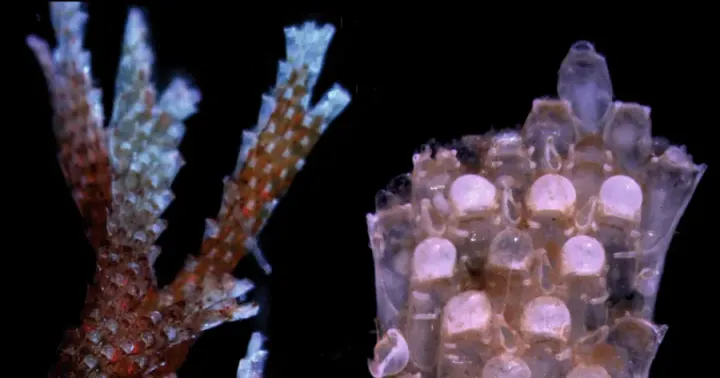
Description
How to identify
Viruslike pathogens are a category of infectious agents, including viroids and phytoplasmas, that differ significantly from typical viruses. Viroids are small, single-stranded circular RNA molecules that lack any protein coat and do not code for proteins.
Phytoplasmas are specialized, wall-less bacteria that live as obligate parasites in the phloem tissue of plants. Due to their biology, they cannot be cultured in artificial media and rely entirely on the host plant's resources.
Identifying these pathogens is challenging because they are invisible under standard light microscopes. Specialists use molecular diagnostic methods, such as Polymerase Chain Reaction (PCR), to confirm the presence of these agents in plant tissue.
These pathogens propagate systemically throughout the host's vascular system. By invading the phloem, they disrupt the transport of sugars and nutrients, leading to physiological failure of the plant.
Transmission occurs primarily through infected vegetative propagules, horticultural tools, or insect vectors such as leafhoppers, aphids, and psyllids which feed on the sap of the host.
What it damages
These pathogens affect a vast array of crops, including potatoes, tomatoes, grapevines, and various fruit trees. The resulting damage often leads to total crop failure and significant financial loss for farmers.
In potatoes, viroids cause tuber spindle disease, which severely deforms the tubers. These affected tubers lose their market value, are smaller in size, and have poor nutritional quality.
Phytoplasmas cause diseases like "yellows" or "stolbur," which significantly reduce the plant's photosynthetic capacity. Often, the host plant becomes stunted and dies before reaching maturity.
In viticulture, these pathogens lead to the decline of grapevines, characterized by poor fruit set and premature ripening of berries. Infected vines often require complete removal and replanting of the vineyard.
Ornamental plants suffer from severe morphological changes, making them unsuitable for commercial sale. Damage includes leaf curling, discoloration, and failure to flower properly.
Signs of infestation
Stunting is one of the most common signs, as the internodes fail to elongate properly. Plants appear much shorter than their healthy counterparts and have a bushy, compact appearance.
Witches' broom is a classic symptom, characterized by the proliferation of thin, weak, and stunted shoots. This occurs due to the breakdown of hormonal regulation within the plant.
Chlorosis and leaf deformation, such as curling or rugosity, are frequent indicators of infection. The leaves may also change color, showing red or purple tints due to metabolic disturbances.
Virescence, the transformation of floral parts into green leaf-like structures, occurs in many cases. This condition makes the plant sterile and prevents the production of fruit or seeds.
The root system often degrades, showing reduced branching and signs of decay. This impairs the plant's ability to take up water and nutrients, resulting in rapid wilting during hot weather.
Control measures
The first line of defense is the use of certified virus-free planting material. Strict quarantine procedures at the border and on the farm level are essential to prevent the introduction of these pathogens.
Managing insect vectors is critical. The application of systemic insecticides helps to keep populations of leafhoppers and other sap-sucking insects in check, reducing the chance of disease spread.
Sanitation practices, such as disinfecting pruning tools with alcohol or bleach, are necessary to prevent mechanical transmission. Tools should be cleaned between each plant to avoid cross-contamination.
Eliminating weeds around the fields is important, as many wild plants serve as asymptomatic reservoirs for phytoplasmas, harbor insects, and sustain the pathogen throughout the year.
If an infection is identified, the immediate removal and destruction of symptomatic plants are required to stop further spreading. It is recommended to pull the plant out including the roots to prevent regrowth.
Causes diseases · 1
Discussion
No discussions yet — be the first.