
Cucumber mosaic virus
Virus for
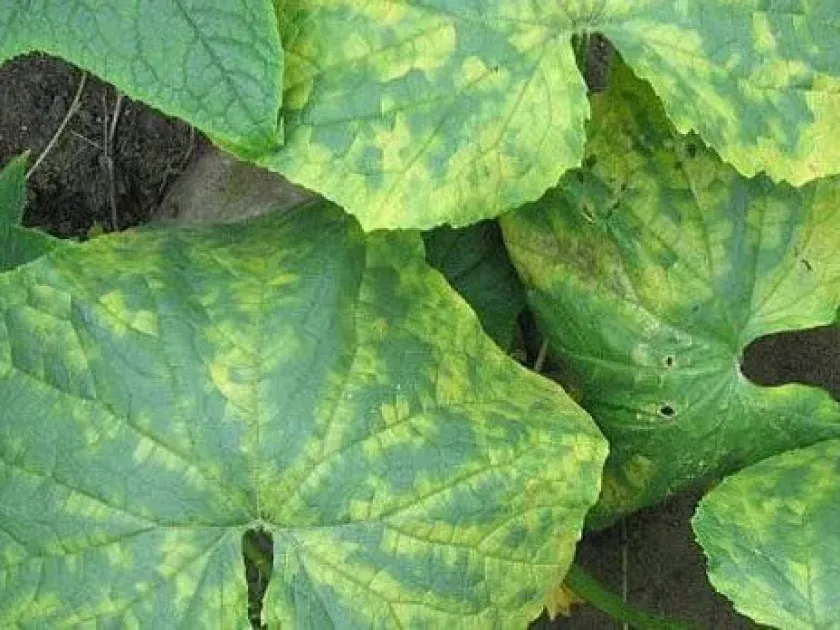
Description
How to identify
Cucumber mosaic virus (CMV) is a highly destructive plant virus, categorized under the genus Cucumovirus and the family Bromoviridae. It is one of the most widespread plant viruses globally, known for its remarkably broad host range.
The virus consists of spherical particles containing positive-sense single-stranded RNA. Its ability to spread rapidly is largely due to its non-persistent transmission by aphids, which pick up the virus from infected plants within seconds of feeding.
Beyond insect vectors, the virus is easily spread through mechanical transmission. Simple contact between leaves, or the use of contaminated pruning tools, allows the virus to enter the vascular system of healthy plants almost instantly.
CMV does not persist in the soil but survives in the root systems of numerous perennial weeds throughout the winter months. As spring arrives, these weeds serve as the primary inoculum source for new vegetable plantings.
Accurate identification of CMV is challenging because symptoms often mimic those of other viruses or even nutritional deficiencies. Diagnosis is usually confirmed using ELISA or RT-PCR tests in specialized laboratories.
What it damages
CMV affects over 1200 plant species, including major agricultural crops like cucumbers, tomatoes, peppers, beans, and cucurbits. The damage caused by the virus is often severe and leads to significant economic losses.
In cucumbers, the virus causes stunted growth, leaf mosaic, and fruit distortion. Infected fruits often exhibit mottled, uneven coloring and a bitter taste, rendering them unsuitable for market consumption or processing.
Tomatoes are particularly susceptible to the "shoestring" symptom, where leaves become thin and thread-like, leading to drastic reductions in photosynthetic capacity and yield. Blossoms often drop prematurely.
Peppers infected with CMV often show severe yellowing, curling, and systemic dwarfing. The entire plant may stop growing, resulting in little to no marketable fruit being produced throughout the season.
The overall impact of the virus is a systemic weakening of the host. Once infected, plants become much more vulnerable to secondary infections from fungi and bacteria, leading to total crop failure in some cases.
When it appears
The appearance of CMV symptoms is most prominent during the active vegetative growth phase. However, the initial infection can occur as early as the seedling stage, depending on the migration patterns of aphid populations.
The virus thrives in moderate temperatures, typically between +20°C and +25°C. In these conditions, insect vectors are highly active, and the virus replicates efficiently within plant tissues.
Extreme heat can sometimes suppress the appearance of external symptoms, leading to a latent infection. While the plant may look healthier, the virus remains active and continues to inhibit fruit quality and plant vigor.
In greenhouse settings, the virus can persist year-round if proper sanitation is not maintained. In outdoor fields, the risk is highest from late spring through mid-summer when aphid pressure peaks.
Early season weed control is the most critical factor in managing seasonal outbreaks, as it prevents the early colonization of vectors on susceptible crop hosts.
Signs of infestation
Common symptoms of CMV infection across various host plants include:
- Classic mosaic patterns of alternating light and dark green patches on leaves.
- Severe leaf distortion, crinkling, or the development of thread-like leaves.
- Systemic dwarfing and shortened internodes, giving the plant a bushy appearance.
- Uneven or mottled coloration on fruit and potential development of surface warts.
- Premature senescence and general suppression of the plant’s reproductive capacity.
Control measures
There is no known cure for a plant once it has been infected with the Cucumber mosaic virus. Consequently, all control measures must be focused on prevention and limiting the spread of the pathogen.
Sanitation is the first line of defense. Growers must rigorously remove weeds in and around the growing area, as these act as the permanent reservoirs for the virus during the off-season.
Controlling aphid populations is essential. Using systemic insecticides can help manage insect vectors, though this must be done early in the season to prevent the initial introduction of the virus into the crop.
Practice strict hygiene during handling. Tools like pruning shears should be sterilized with a 5% bleach or alcohol solution after use on each individual plant to prevent mechanical transmission of the virus.
Selecting resistant varieties is the most effective long-term strategy. Farmers should also ensure the use of high-quality, certified seeds to avoid introducing the virus into a new field through infected seed stock.
Causes diseases · 1
Discussion
No discussions yet — be the first.