
Tomato stolbur
Stolbur phytoplasmas
Description
How to identify
Tomato stolbur is a plant disease caused by phytoplasmas, which are specialized bacteria lacking cell walls. They reside within the phloem tissues of host plants, where they interfere with nutrient transport and hormonal regulation.
The primary vector responsible for the spread of this pathogen is the leafhopper Hyalesthes obsoletus. Once these insects acquire the phytoplasma through feeding on infected plants, they remain infectious for the remainder of their lifespan.
The pathogen is not seed-transmitted; instead, it relies on perennial weeds as overwintering reservoirs. Plants like field bindweed (Convolvulus arvensis) act as critical hosts that keep the phytoplasma alive during winter months.
The host range of stolbur is extensive, affecting numerous Solanaceae species including tomatoes, peppers, and potatoes. This polyphagous nature makes it difficult to eradicate, as the pathogen can easily move between different crops and wild species.
Molecular diagnostic tools, such as PCR, are essential for accurate identification, as the symptoms caused by phytoplasmas often mimic environmental stress or other viral infections, leading to potential misdiagnosis in the field.
What it damages
The economic impact of stolbur is severe, often resulting in complete yield failure in heavily infested areas. Early-season infections prevent flower development, leading to minimal fruit set and significant loss of marketable yield.
Fruits that do develop on infected plants are often misshapen, hard, and lacking in flavor. The internal tissues become woody and white, making the produce entirely unsuitable for fresh market sale or industrial processing.
In addition to fruit quality degradation, the plant's overall vitality declines. Stolbur causes extreme stunting, characterized by the proliferation of secondary shoots and the yellowing or reddening of leaves, which eventually kills the plant.
For potato crops, the damage manifests as the degeneration of tubers, causing them to shrink and lose their starch quality. This forces growers to constantly replace seed stock, adding to the total cost of production.
Control costs are high, involving repeated insecticide applications to manage leafhopper populations. Without active management, losses can easily exceed 80% under favorable conditions for the vector.
When it appears
The primary risk period for stolbur transmission occurs during the peak flight season of Hyalesthes obsoletus. This usually coincides with hot, dry weather conditions starting in late spring and continuing throughout the summer.
The incubation period within the plant varies based on temperature, but it generally takes several weeks before systemic symptoms appear. Often, producers first notice the damage during the crucial flowering and fruiting stages.
Multiple generations of leafhoppers throughout the summer create ongoing risk windows. Each new wave of insects can transmit the phytoplasma to previously healthy plants, turning a minor infection into a full-scale outbreak.
As autumn arrives and temperatures drop, the vectors move to hibernation sites. Meanwhile, the phytoplasmas retreat into the root systems of perennial weeds, awaiting the warmer temperatures of the next spring to resume their cycle.
Monitoring the local weed population and the arrival of leafhoppers is critical. Predictive models that link temperature and vector activity help agronomists time their preventive measures more effectively.
Signs of infestation
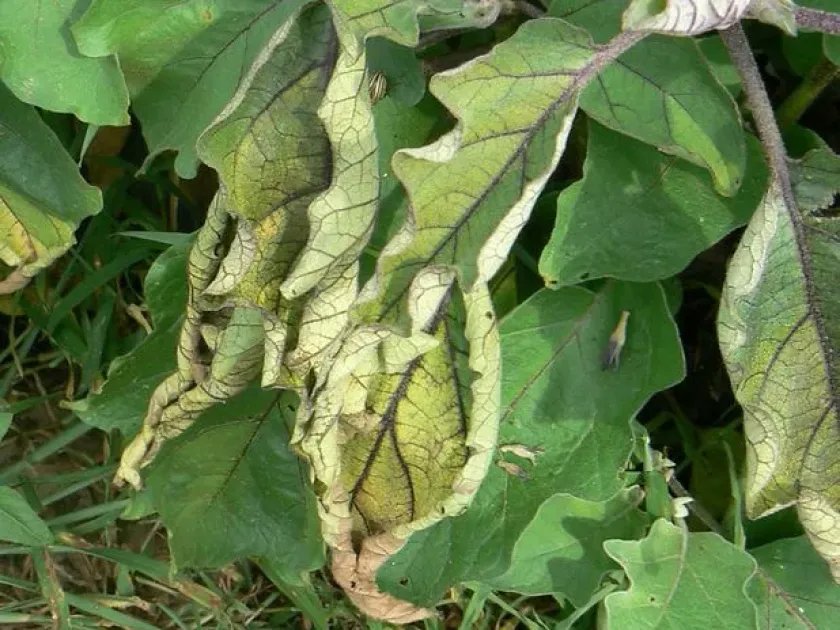
The hallmark sign of stolbur infection is the chlorosis of the apical leaves. These leaves often turn yellow or develop a purplish tint at the edges, which is a classic diagnostic marker for the disease.
Flower deformation, known as virescence, is a common indicator. The floral parts often turn into green, leaf-like structures, and the flowers become sterile, failing to produce pollen or develop into functional fruit.
Stunted growth and a dense, bushy appearance are typical as the disease forces the plant to sprout secondary shoots abnormally. The leaves become smaller and leathery, sometimes curling upward.
Root system deterioration is an often overlooked symptom. Roots may appear stunted or brown, indicating that the plant is struggling to absorb water, leading to wilting symptoms even when soil moisture is adequate.
- Chlorotic and stunted apical growth
- Virescence and sterility of flowers
- Small, distorted leaf development
- Woody and hardened fruit texture
- Systemic wilting and root necrosis
Control measures
Integrated pest management is necessary to combat stolbur. The first step is the rigorous removal of perennial weeds, especially field bindweed, from field borders to eliminate the pathogen's primary reservoir.
Systemic insecticides must be applied to control leafhopper populations. Strategic applications timed before the peak flight of the vector are essential to protect the crop during its most vulnerable developmental stages.
Spatial isolation of new plantings from wild herb areas and old fields significantly reduces the incidence of vector migration into the crop. Keeping a "buffer zone" can be an effective non-chemical deterrent.
Early planting allows crops to establish robust growth before the primary vectors emerge, making them slightly more resilient to the initial shock of potential phytoplasma infection.
Strict sanitation protocols, including the immediate roguing (removal) and destruction of symptomatic plants, help to limit the secondary spread of the phytoplasma within the plot throughout the growing season.
Causes diseases · 1
Discussion
No discussions yet — be the first.