
Rhodococcus fascians
Rhodococcus fascians
Description
How to identify
Rhodococcus fascians is a Gram-positive actinomycete bacterium known for its ability to reprogram plant development, causing severe morphological abnormalities known as fasciation or leafy gall.
This pathogen harbors a large virulence plasmid that carries genes responsible for the biosynthesis of cytokinins, which are the primary hormones manipulating plant cell division.
The bacterium can persist in the environment as a saprophyte on plant surfaces or in the soil, allowing it to remain dormant until it finds a suitable host to infect.
Transmission occurs primarily through contaminated propagation material, such as cuttings or nursery stock, as well as via pruning tools that carry the pathogen from diseased to healthy plants.
Molecular diagnostic techniques, specifically those targeting the virulence plasmid genes, are the most reliable way to identify the presence of this bacterium in plant tissues.
What it damages
The host range of Rhodococcus fascians is remarkably wide, affecting various agricultural crops, ornamental plants, and even certain tree species in forestry nurseries.
Ornamental flowers such as petunias, lilies, chrysanthemums, and pelargoniums are particularly susceptible, often suffering from significant market value loss due to distorted growth.
Vegetable crops including tomatoes, strawberries, and beans may experience reduced yield and stunted development, making them unfit for commercial distribution or consumption.
In nursery settings, the infection can cause widespread damage, often resulting in the total loss of greenhouse batches that have been exposed to the pathogen through vegetative propagation.
The economic impact of this bacterium is significant, as there are few curative treatments available, forcing growers to discard affected plants to prevent further spread.
Signs of infestation
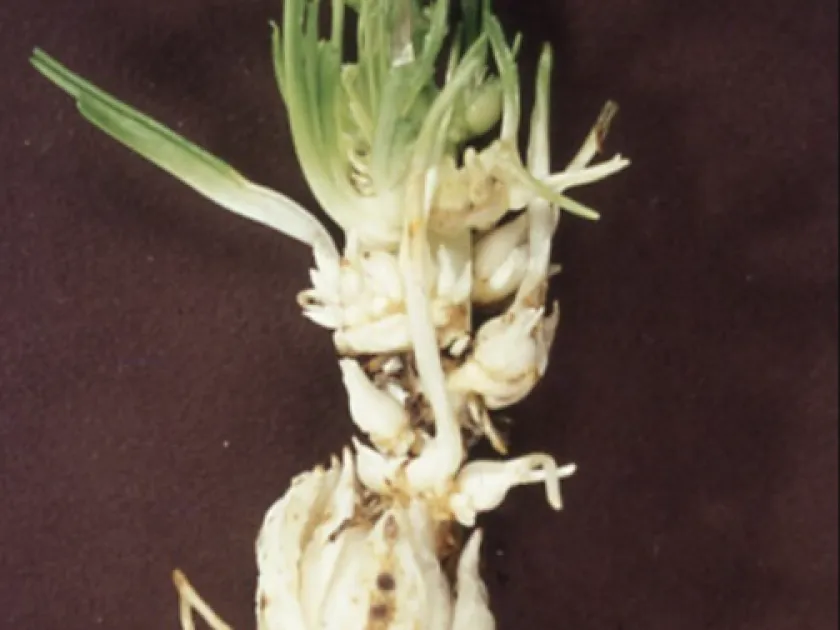
The most iconic symptom is fasciation, where stems and branches become flattened, widened, and ribbon-like due to abnormal meristematic activity.
Formation of leafy galls or "witches' brooms" is common, where an excessive number of shoots develop from a single point, creating a dense, stunted, and shrubby appearance.
Leaves on infected plants are often reduced in size, chlorotic, and deformed, with significantly shortened internodes, giving the entire plant a suppressed and abnormal morphology.
In some cases, root development is severely hindered, leading to stunted overall plant growth and a failure to reach maturity or produce viable fruit and flowers.
- Stem fasciation (flattening).
- Witches' broom symptoms.
- Leaf distortion and chlorosis.
- Stunted plant growth.
- Abnormal flower development.
Control measures
Management of R. fascians relies heavily on sanitation and strict hygiene practices, as systemic chemical control is largely ineffective against established infections.
The most effective strategy is the use of pathogen-free certified nursery stock and the rigorous implementation of quarantine measures for all new plant introductions.
Disinfection of pruning shears, knives, and other farm tools using effective bactericides or alcohol solutions is mandatory to prevent cross-contamination between plants.
Infected plants should be immediately rogued and destroyed, preferably by burning or deep burial, to eliminate the reservoir of the pathogen from the growing area.
Maintaining optimal greenhouse conditions, including proper humidity control and avoiding overhead irrigation, can help reduce the spread of the bacterium in commercial cultivation.
Causes diseases · 2
Discussion
No discussions yet — be the first.