
Pseudomonas aeruginosa
Pseudomonas aeruginosa
Description
How to identify
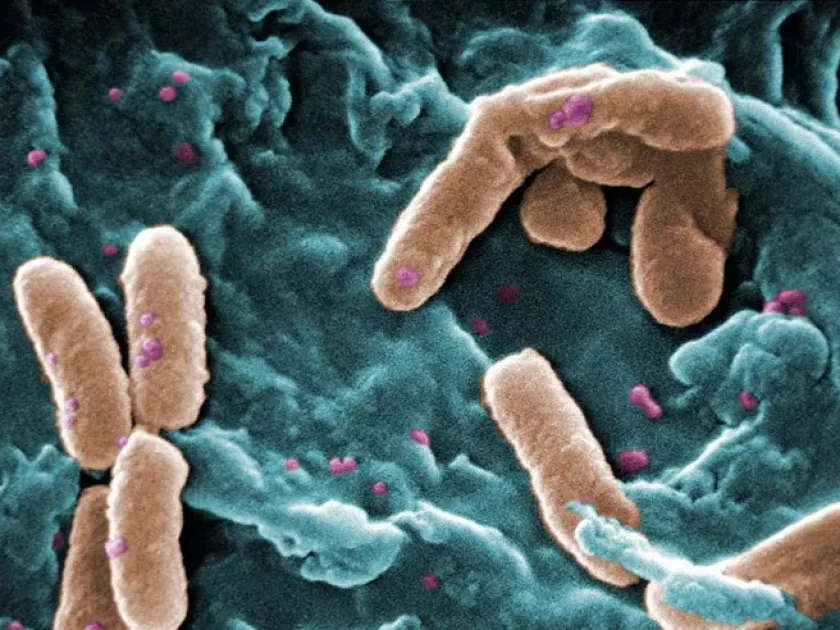
Pseudomonas aeruginosa is a Gram-negative, motile rod-shaped bacterium belonging to the Pseudomonadaceae family.
It is known for its remarkable metabolic diversity, which allows it to thrive in diverse environmental conditions including soil and water.
In the context of plant pathology, this organism acts as an opportunistic pathogen, typically targeting compromised or weakened plant tissues.
The bacterium is characterized by its ability to produce specific pigments such as pyocyanin and its tendency to form persistent biofilms.
Laboratory diagnosis involves culturing on specific agar media and verifying its metabolic capabilities to distinguish it from other Pseudomonas species.
What it damages
The bacterium affects a variety of agricultural and horticultural crops, particularly those grown in high-humidity environments like greenhouses.
Seedlings are highly susceptible, often suffering from damping-off and severe root decay caused by bacterial colonization.
The pathogen utilizes extracellular enzymes to break down plant cell walls, leading to soft rot and systemic tissue degradation.
Hydroponic systems are particularly vulnerable, as the bacterium can establish itself in nutrient solutions, causing rapid plant collapse.
Economic damage includes significant losses in crop yield, shelf-life reduction, and the potential contamination of irrigation equipment.
Signs of infestation
Symptoms often start as small, water-soaked spots on leaves or stems that expand rapidly under moist conditions.
Tissue necrosis is frequently accompanied by a foul-smelling exudate, which is a hallmark of advanced bacterial rot.
Wilting occurs due to the impairment of water transport systems caused by bacterial plugging of xylem vessels.
Root and crown areas may show signs of soft, mushy decay with a distinct dark or greenish discoloration.
- Development of soft, water-soaked lesions.
- Rapid wilting and collapse of young seedlings.
- Foul odor associated with necrotic areas.
- Systemic infection symptoms including stunted growth.
Control measures
Sanitation is the cornerstone of Pseudomonas aeruginosa management, requiring thorough cleaning of tools and greenhouse surfaces.
Proper water management, including the use of high-quality irrigation sources and adequate drainage, helps prevent pathogen spread.
Biological control agents, such as beneficial Bacillus species, can be used to outcompete and suppress the growth of the pathogen.
Copper-based bactericides can provide a protective barrier on plant surfaces to prevent primary bacterial infection through micro-wounds.
Cultural practices, such as maintaining optimal plant density and ensuring good airflow, are essential for reducing the risk of disease outbreaks.
Causes diseases · 1
Discussion
No discussions yet — be the first.