
Probable virus
Probable virus
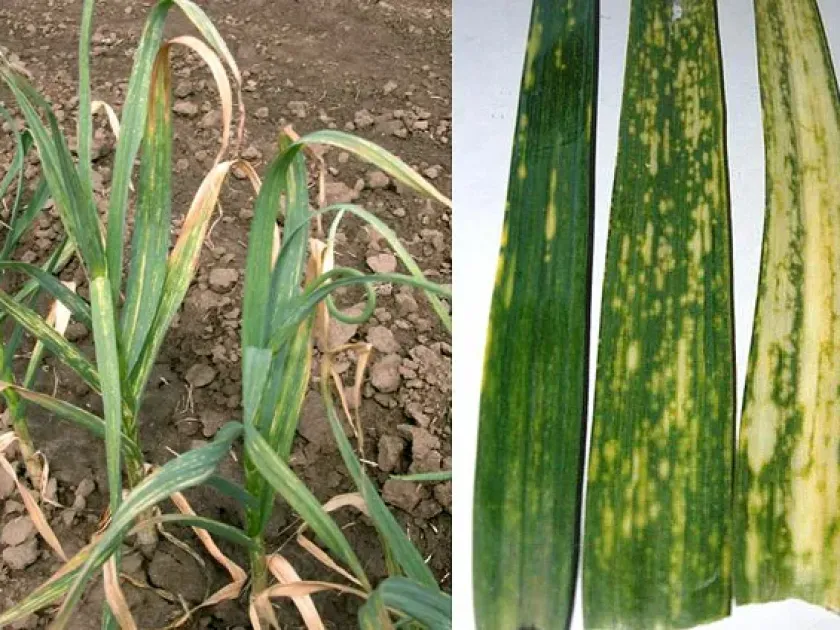
Description
How to identify
The term probable virus refers to infectious agents identified in plant pathology that exhibit clear symptoms of viral disease but have not yet been fully characterized or taxonomically classified through molecular sequencing.
Biologically, these agents consist of nucleic acids enclosed within a protein shell. They act as obligate parasites, relying entirely on the host plant's cellular machinery to replicate their genetic material.
Often, these pathogens include unclassified viruses or satellite RNA species that require a helper virus to initiate successful infection and produce visible symptoms in host tissues.
Identification is performed using advanced diagnostic tools, including ELISA (Enzyme-Linked Immunosorbent Assay), PCR (Polymerase Chain Reaction), and electron microscopy to detect viral particles.
Systemically, these agents disrupt the host's metabolism and protein synthesis, severely weakening the plant's physiological condition and overall development.
What it damages
Probable viruses affect a wide range of crops, including cereals, vegetables, and perennial fruits, with Solanaceous and Cucurbitaceous plants being particularly susceptible.
The infection compromises the plant's vascular system, blocking the transport of essential nutrients and photosynthates from leaves to roots and developing fruit, leading to stunted growth.
Severe damage often occurs during the early stages of plant development, which can lead to significant crop failure and reduced yields before the harvest period begins.
Infected produce often suffers from physical deformities, discoloration, and reduced quality, rendering the final product unsuitable for market sale or industrial processing.
The accumulation of viral inoculum in fields and perennial weeds creates a lasting threat, increasing the risk of recurring infections in subsequent planting cycles.
When it appears
The prevalence of these viruses is primarily dictated by the activity of insect vectors, such as aphids, thrips, leafhoppers, and whiteflies, which facilitate the spread of the pathogen.
In the spring, rising temperatures trigger vector migration, leading to the initial infection of young seedlings and the establishment of viral reservoirs within the field.
During summer months, environmental stressors like drought and heat make plants more vulnerable to viral attack, accelerating the systemic spread throughout the crop canopy.
In autumn, the viruses persist in the roots of perennial weeds and crop residues, effectively surviving through the winter to infect the next season's growth.
The virus lifecycle includes a latent phase, where the pathogen replicates within the host without showing immediate external symptoms, preparing for a larger-scale outbreak.
Signs of infestation
Typical signs of infection include mosaic patterns, chlorotic spots, leaf curling, and distortion, all of which indicate a deep systemic physiological disturbance.
Plants often exhibit dwarfism and shortened internodes, resulting in a stunted appearance compared to healthy crops grown under the same conditions.
- Mosaic-like mottling on leaf surfaces.
- Leaf curling and deformation.
- Stunted growth and reduced internode length.
- Necrotic spots or streaks on stems and petioles.
- Deformed fruits and poor seed development.
A specific indicator is "fern-leaf" or thread-like leaf development, which serves as a major symptom of severe hormonal imbalance triggered by the viral presence.
Root systems may also be compromised, exhibiting inhibited growth which increases the plant's sensitivity to water and nutrient deficiencies.
Control measures
Using certified, virus-free seed stock and healthy transplants is the primary line of defense to prevent the introduction of the pathogen into agricultural plots.
Rigorous control of insect vectors using systemic insecticides is essential to reduce the transmission rate and limit the spread of viral particles across the field.
Effective agronomic management, including weed control and the prompt removal of crop debris, helps eliminate natural reservoirs that harbor the virus during the off-season.
Maintaining spatial isolation between susceptible crops helps minimize the risk of cross-contamination from neighboring infested fields or wild plants.
Since no direct chemical treatment for established plant viral infections exists, maintaining plant vigor and strictly applying preventative measures remains the only viable strategy.
Causes diseases · 1
Discussion
No discussions yet — be the first.