
Potato virus
Potato virus
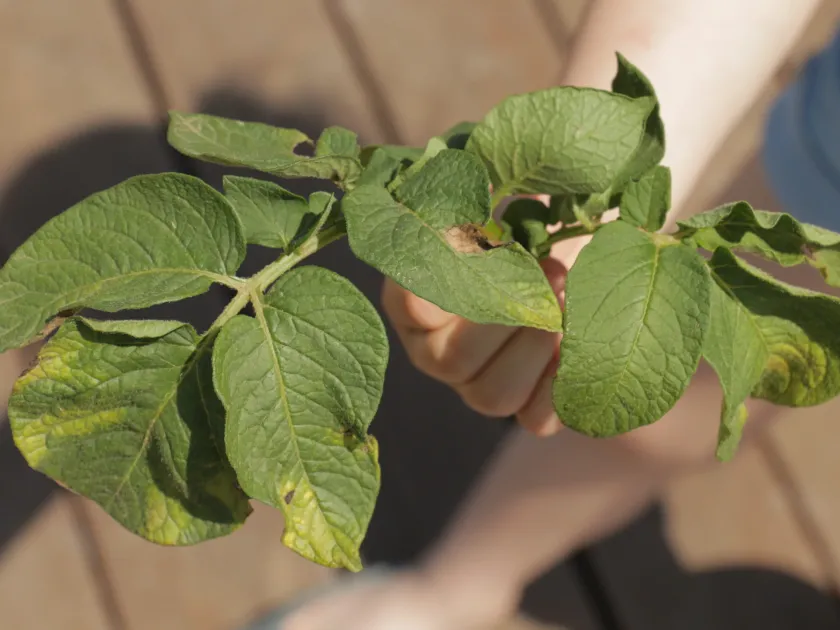
Description
How to identify
Potato viruses are obligate intracellular parasites that cause systemic infections in crops, leading to significant yield reduction and quality degradation.
Biologically, these pathogens lack cellular organization, consisting solely of genetic material (RNA or DNA) enclosed within a protective protein capsid.
They are classified into several taxonomic groups, with Potyviruses (like PVY) and Poleroviruses (like PLRV) being the most economically devastating globally.
A key characteristic of these viruses is their ability to persist in a latent form, meaning plants remain symptomless while still acting as reservoirs for infection.
Identification is often difficult without laboratory diagnostics, as symptoms can be easily confused with nutrient deficiencies or environmental stress.
What it damages
The primary host is the potato plant, though many viruses also infect other Solanaceous species such as tomatoes, peppers, and wild nightshades.
The virus disrupts the plant's metabolic pathways, specifically interfering with chlorophyll synthesis and the translocation of sugars from leaves to tubers.
Damage results in reduced tuber size, malformed shapes, and a substantial decrease in total marketable yield, often exceeding 50% in heavily infected fields.
Virus accumulation in tubers over successive seasons leads to "running out" of varieties, necessitating constant replacement of seed stocks to maintain productivity.
Infected plants exhibit reduced vigor, making them more susceptible to secondary attacks by fungi and bacteria, leading to premature crop senescence.
When it appears
Viruses are active throughout the entire growing season, starting from the moment of sprout emergence until the tubers reach physiological maturity.
Spring is a critical window, as early colonization by aphid vectors can lead to widespread infection throughout the maturing canopy.
Mid-summer heat waves facilitate the rapid reproduction of insect vectors, which accelerates the horizontal spread of viruses between neighboring plants.
The pathogen completes its biological cycle within the host, utilizing the phloem to move from infected leaves to developing tubers for long-term storage.
The end of the season marks the transition of the virus into the tubers, which serve as the primary source of infection for the upcoming planting cycle.
Signs of infestation
Visible signs often include mosaic patterns, chlorotic mottling, leaf crinkling, and distinct necrotic streaks along the veins of the leaves.
Severe infections frequently cause leaf rolling, plant stunting, and reduced internode length, which significantly limits the plant's photosynthetic capacity.
- Yellowing of upper leaves (top-roll).
- Upward or downward curling of leaf margins.
- Formation of dark, necrotic lesions on foliage.
- General wilting and loss of turgor in the plant canopy.
- Reduced tuber number and deformed skin appearance.
In cases of latent infection, the plant may appear vigorous but produce significantly smaller tubers than healthy, certified seed stock.
Necrosis of the tuber tissue, especially in certain cultivars, is a classic sign of advanced infection with specific strains like PVY-NTN.
Control measures
The cornerstone of virus management is the exclusive use of certified, virus-tested seed potatoes produced in disease-free regions.
Implementing strict field hygiene and sanitation measures, including the decontamination of tools and machinery, helps prevent mechanical virus spread.
Effective control of aphid vectors through targeted insecticide applications is essential, particularly during the early vegetative growth stages.
Rogueing, or the systematic removal and destruction of symptomatic plants, is a highly effective practice to reduce the primary source of inoculum.
Maintaining spatial isolation from potential secondary hosts, such as wild Solanum weeds, further lowers the risk of environmental infection pressure.
Discussion
No discussions yet — be the first.