
Potato virus Y
Potato virus
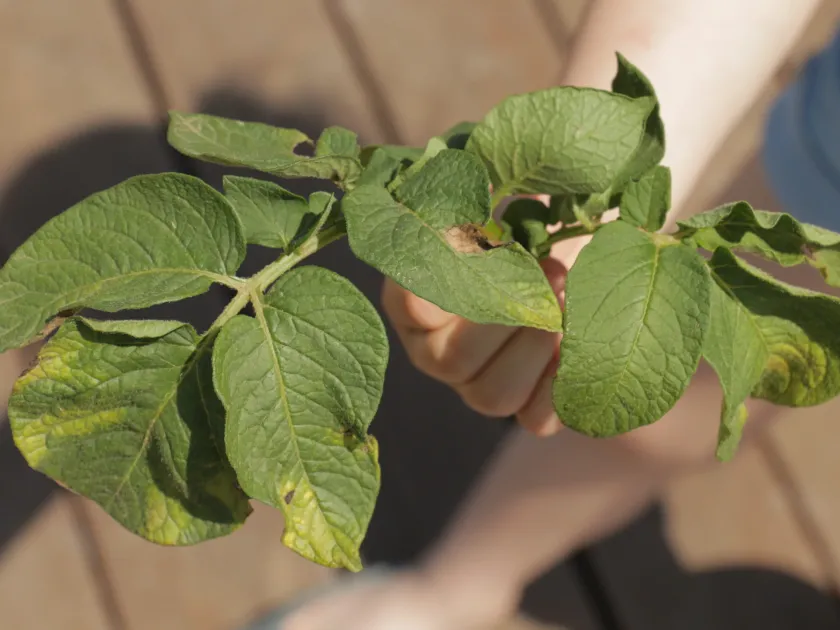
Description
How to identify
Potato virus Y (PVY) is one of the most economically damaging plant viruses affecting potato crops worldwide. It belongs to the family Potyviridae and is the type species of the genus Potyvirus.
The virus consists of flexuous, filamentous particles containing a single-stranded positive-sense RNA genome. As an obligate parasite, it relies entirely on the host's cellular machinery for its replication and systemic spread.
The virus is primarily transmitted by aphids in a non-persistent manner. Aphids acquire the virus by probing infected tissue for a few seconds and can transmit it to healthy plants immediately, making control exceptionally difficult.
Seed-borne transmission is the second major pathway of spread. Because PVY is systemic, it infects all vegetative parts of the potato plant, including tubers, which leads to cumulative yield loss across generations.
Mechanical transmission also occurs in fields through contact between foliage, the use of contaminated farm machinery, or improper sanitation of tools during routine agricultural operations.
What it damages
While potatoes are the primary host, PVY also infects tomatoes, peppers, tobacco, and various weeds, which can act as secondary sources of inoculum in the field.
Infection results in metabolic disturbances, causing significant growth retardation, reduction of leaf area, and decreased photosynthetic capacity, which directly limits tuber bulking.
Affected plants often display reduced vigor and are more susceptible to opportunistic pathogens, leading to premature senescence and vine death before the crop reaches maturity.
Economic damage is twofold: a direct reduction in current season marketable yields and a long-term degradation of seed quality, necessitating frequent expensive renewal of the seed stock.
In highly susceptible varieties, the virus can render the crop completely unmarketable due to both reduced tuber size and the potential for internal necrosis in some potato cultivars.
Signs of infestation
Symptoms are highly dependent on the virus strain, the potato variety, and environmental conditions at the time of infection, ranging from mild mosaic to severe necrosis.
The most classic symptom is leaf mosaic, characterized by mottled light-green and dark-green patches, often accompanied by crinkling and deformation of the leaf lamina.
Some aggressive strains cause vein necrosis, which presents as dark streaks on the underside of leaves that eventually extend to the petioles and stems, often leading to leaf drop.
Stunting is a common feature, with infected plants often having shorter internodes and a reduced number of stems, creating a visible unevenness within the field.
- Mottling and mosaic patterns on leaves.
- Leaf crinkling and distortion (rugosity).
- Necrotic streaks on veins and stems.
- Premature leaf drop and stunted plant growth.
Control measures
The cornerstone of PVY management is the use of high-quality, certified virus-free seed potatoes, which are typically propagated through tissue culture and meristem-tip techniques.
Implementing spatial isolation between potato fields and other solanaceous crops helps minimize the influx of viruliferous aphids migrating from other infested areas.
Regular field inspections and strict roguing of plants showing initial viral symptoms are essential to reduce the primary inoculum pressure within the potato stand.
Applying effective insecticide programs targeting aphid vectors is critical, particularly during the early stages of crop development when the plants are most vulnerable to infection.
Sanitation practices, including the eradication of solanaceous weeds around field borders, help remove alternative hosts and reduce the overall infection risk for the season.
Discussion
No discussions yet — be the first.