
Potato virus
Potato virus
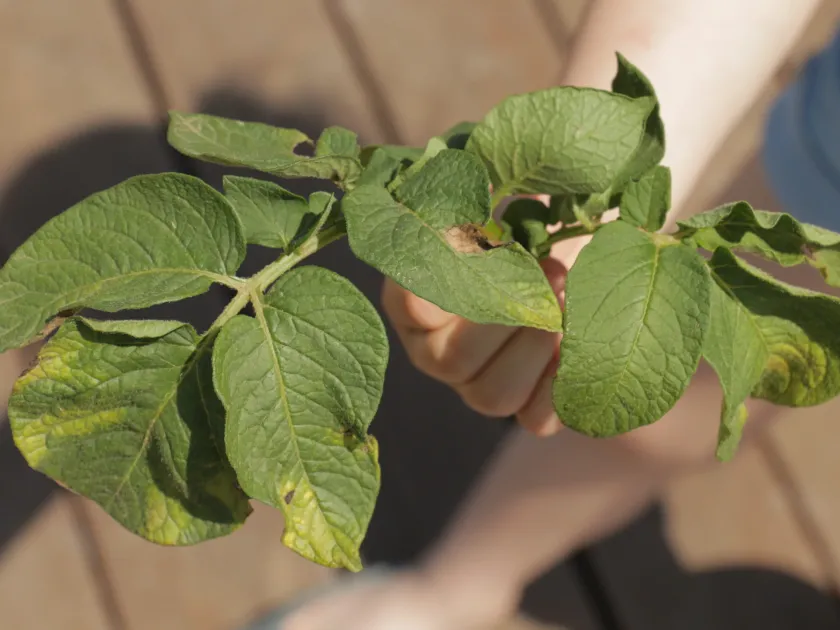
Description
How to identify
Potato viruses are a diverse group of plant pathogens that belong to various families, such as Potyviridae and Luteoviridae. They are obligate intracellular parasites, meaning they strictly depend on the host plant's cellular machinery to replicate their genetic material and synthesize viral proteins.
The morphology of these viruses includes various shapes like flexuous rods or isometric particles, depending on the specific viral genus. They are extremely small and invisible to the naked eye, necessitating molecular laboratory techniques like ELISA or RT-PCR for definitive identification.
Systematically, these viruses are classified based on their genome structure, which usually consists of single-stranded RNA. Their survival strategy involves integrating into the host's vascular system, allowing them to systemically infect the entire plant, including tubers, which serve as the primary reservoir for overwintering.
The biological nature of potato viruses allows them to persist in infected seed tubers for generations. Because they do not kill the host quickly, they have evolved to be highly efficient at colonizing host plants without showing immediate lethal symptoms, which often leads to the silent spread of infection.
Environmental stability of these viruses varies significantly. While some viruses are fragile and require insect vectors, others (like the Potato Virus X) are highly contagious and can persist on gardening tools, machinery, and contaminated surfaces for extended periods, facilitating mechanical transmission.
What it damages
Potato viruses primarily affect members of the Solanaceae family, with Solanum tuberosum being the main host. Other plants such as tomatoes, peppers, and nightshade weeds can also host these viruses, acting as reservoirs that facilitate the spread of disease to potato fields.
The damage caused by these pathogens is significant, often resulting in yield losses ranging from 20% to over 80%. Viruses interfere with photosynthesis and nutrient transport, leading to stunted growth, reduced tuber size, and a significant decrease in the overall quality and marketable value of the harvest.
The phenomenon of "running out" or cultivar degeneration is a direct result of cumulative viral infection. Over several seasons, the concentration of viral particles in the seed stock reaches a threshold that makes the variety no longer productive, forcing farmers to replace their seed supplies entirely.
In addition to yield reduction, certain viruses like the Potato Leafroll Virus (PLRV) cause internal physiological disorders such as net necrosis in tubers. This reduces the storability and consumption value, often making the entire harvest unsuitable for market sale or long-term storage.
Compromised plant immunity is another hidden cost of viral infection. Infected potato plants become significantly more susceptible to secondary fungal and bacterial pathogens, including late blight and soft rot, which further complicates crop management and increases the need for pesticide inputs.
When it appears
The viral infection cycle is closely linked to the growing season and the life cycle of insect vectors. Spring is the critical time when primary infections occur, often starting from already infected tubers planted in the soil, which serve as the initial sources of the virus.
Summer is characterized by the peak activity of insect vectors like aphids. These insects transmit viruses from infected weeds or neighboring fields to healthy potato plants, often requiring only a few seconds of feeding to effectively transfer the virus into the host's phloem tissues.
Environmental conditions during the summer influence the manifestation of symptoms. While hot and dry weather might mask visual signs of viral presence, the virus continues its replication inside the plant tissues, building up titers that will eventually migrate into the daughter tubers by autumn.
As the season comes to an end, the virus moves from the senescing foliage into the developing tubers. This translocation process is the primary mechanism by which the virus secures its survival for the next season, effectively embedding itself into the new planting stock.
The frequency of agricultural operations, such as inter-row cultivation or weeding, also influences the spread. If machines pass through infected patches and move to healthy areas, they act as mechanical vectors, extending the potential transmission window well into the harvest period.
Signs of infestation
Symptoms of potato viral diseases are highly variable, often resembling symptoms of nutrient deficiency or environmental stress. Growers should monitor crops for the following key indicators:
- Mosaic patterns: irregular patches of light and dark green on the leaves.
- Leaf deformation: crinkling, puckering, or distortion of the leaf lamina.
- Leaf rolling: upward or downward rolling of leaf edges, often making the plant look rigid.
- Stunting: reduced height and shortened internodes compared to healthy counterparts.
- Necrosis: development of dark brown streaks or spots on stems and leaves.
The Potato Leafroll Virus (PLRV) is particularly diagnostic, often causing the lower leaves to become thick, leathery, and chlorotic. When touched, these leaves often feel brittle and may produce a distinct sound, helping to differentiate this virus from other leaf disorders.
Potato Virus Y (PVY) frequently leads to severe mosaic, vein banding, and leaf necrosis. In severe cases, the foliage may die back prematurely, severely curtailing the tuber filling phase and resulting in small, stunted potatoes that are essentially worthless.
In some cases, the infection remains latent, meaning the plant shows no obvious symptoms but carries the virus. These "asymptomatic carriers" are the most dangerous in seed potato production because they cannot be identified by visual inspection alone.
Any clustered appearance of abnormal growth within a field should be treated with suspicion. Viruses tend to spread from a primary infection point, creating distinct patches of diseased plants that stand out as the season progresses.
Control measures
Management of potato viruses relies entirely on preventive strategies, as there are no curative chemical treatments for viral diseases in plants. The most critical step is the use of high-quality, certified, virus-free seed potatoes to start the season with a healthy crop.
Phytosanitary roguing is an essential practice in seed production. Field inspectors must regularly walk the fields, identify plants with viral symptoms, and remove them completely, including all tubers, to stop the spread to neighboring healthy plants.
Effective control of insect vectors is paramount. The use of systemic insecticides, applied according to the monitoring of aphid populations, can significantly reduce the rate of virus transmission during the early and mid-growing stages.
Maintaining proper spatial isolation between fields of different seed generations is vital. It is recommended to keep commercial potato fields separate from seed plots to prevent the spread of viruses from higher-infection-risk fields to the cleaner stock.
General hygiene protocols, such as cleaning agricultural tools and machinery after working in suspected infected areas, are fundamental. Furthermore, controlling weed hosts in and around fields minimizes the presence of viruses that could jump to the potato crop, creating a cleaner production environment.
Discussion
No discussions yet — be the first.