
Potato virus Y
Potato virus
Description
How to identify
Potato virus Y (PVY) is a plant pathogenic virus belonging to the genus Potyvirus, family Potyviridae. It is a single-stranded RNA virus that causes significant losses in potato production worldwide and is one of the most critical plant viruses to manage.
The virus particles are flexuous, filamentous structures approximately 730 nm in length. It acts as an obligate parasite, highjacking the plant's cellular machinery to replicate its viral RNA, which disrupts the normal physiology and development of the host.
In the field, PVY is primarily transmitted by aphid vectors in a non-persistent manner. This means that an aphid can acquire the virus by probing an infected plant for only a few seconds and transmit it to a healthy plant almost immediately thereafter.
Mechanical transmission is also common, occurring through contact between plants, field equipment, or handling by workers. Infected tubers act as the primary reservoir, allowing the virus to persist from one season to the next.
There are multiple strains of PVY, varying in their virulence and symptoms. The virus's genetic diversity makes breeding for resistance a challenging task, as new strains can potentially overcome host resistance mechanisms.
What it damages
Potato is the main economic host of PVY, but the virus also infects other Solanaceous crops such as tomatoes, peppers, and tobacco. Additionally, wild Solanaceous weeds serve as important secondary hosts and reservoirs.
The impact of PVY is characterized by drastic reductions in both tuber yield and quality. Yield losses can reach 80% in severe cases, making it a major limiting factor for potato farming profitability.
Infected tubers often show reduced size and developmental abnormalities, which affects their marketability. Furthermore, using these tubers as seed for subsequent seasons leads to severe viral load accumulation and variety degeneration.
The virus impairs photosynthetic efficiency by causing leaf necrosis and premature senescence. This reduction in the plant's ability to produce energy directly limits tuber bulking and overall biomass production.
Viral infection suppresses the plant's systemic defense mechanisms, leaving the potato crop more vulnerable to secondary infections from other pathogens and stress factors like drought or heat.
Signs of infestation
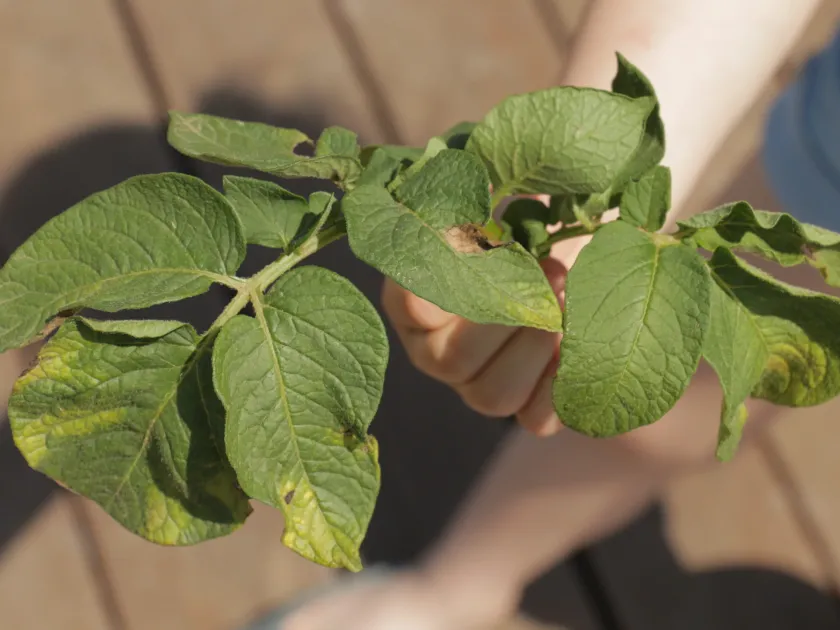
Symptoms of PVY are highly variable, depending on the viral strain, the host cultivar, and environmental conditions. Leaf mosaic, characterized by light and dark green mottled patches, is one of the most frequent indicators.
Crinkling or rugosity of the leaf surface is a hallmark symptom, often accompanied by deformation of the leaflets. This structural change interferes with the plant's ability to maximize light interception for photosynthesis.
Some strains are known to cause necrotic veinal banding, where dark lines appear along the leaf veins. In severe cases, this results in leaf drop, beginning from the lower leaves and progressing upwards through the plant canopy.
Stunted growth is commonly observed in infected plants, leading to a smaller, less vigorous appearance compared to healthy crops. This reduction in size is often a sign of an early-season infection.
- Mosaic patterns on foliage
- Leaf rugosity and crinkling
- Necrotic veinal banding
- Stunted plant development
- Premature yellowing and leaf abscission
Control measures
Using certified, virus-free seed tubers is the most effective management strategy. Starting with clean material eliminates the primary source of infection and prevents the initial build-up of the virus.
Effective aphid control is necessary to reduce the spread of PVY within the field. While insecticides may not completely stop the non-persistent transmission, they can help reduce aphid populations and limiting further secondary spread.
Phytosanitary roguing, the removal and destruction of symptomatic plants, is crucial in the early stages of the growing season. This practice removes potential sources of inoculum from the surrounding healthy crop.
Maintaining spatial isolation from other susceptible crops and weeds is recommended to reduce the influx of aphids carrying the virus from external environments into the potato fields.
Vine killing (desiccation) at the end of the season helps to terminate the vegetation period before the virus has a chance to migrate from the leaves to the tubers, thereby protecting the seed stock for the next year.
Causes diseases · 2
Discussion
No discussions yet — be the first.