
Pectobacterium carotovora
Pectobacterium carotovora
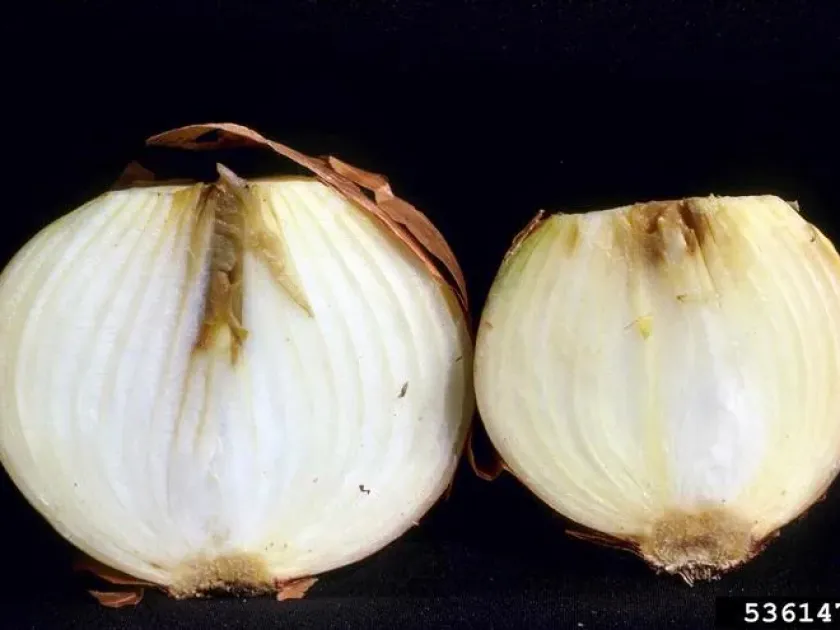
Description
How to identify
Pectobacterium carotovora is a gram-negative, facultatively anaerobic, rod-shaped bacterium within the family Pectobacteriaceae. It is a notorious phytopathogen globally recognized for causing soft rot diseases in a wide range of economically significant crops.
The bacterium is characterized by the production of cell wall-degrading enzymes, primarily pectinases. These enzymes break down the middle lamella of plant cell walls, leading to the maceration of tissues and the rapid collapse of the plant structure.
This organism persists effectively in the soil, in plant debris, and within infected plant tissues throughout the dormant season. It is disseminated through contaminated water, agricultural equipment, and insect vectors.
Identification of the pathogen in a laboratory setting relies on selective media culture, serological assays, and PCR analysis to distinguish it from other soft rot bacteria. Visual diagnosis in the field is based on characteristic maceration symptoms.
The taxonomic classification has been subject to revision, but it remains a primary member of the pectolytic group of bacteria known for its extreme versatility in infecting diverse plant hosts.
What it damages
The pathogen has an exceptionally broad host range, including potatoes, carrots, onions, cabbage, tomatoes, peppers, and various ornamental plants. It inflicts losses both in the field and during post-harvest storage.
Economic damage is substantial, as infected crops often become completely unmarketable within a short period. In severe cases, particularly under favorable environmental conditions, entire field crops or stored batches can be destroyed.
In potato tubers, the infection manifests as wet rot, where internal tissues turn into a foul-smelling, mushy mass. This condition often leads to total crop failure if storage conditions are not strictly managed.
Leafy greens and root vegetables like carrots are equally susceptible. The pathogen quickly compromises the plant's structural integrity, causing localized tissue death that can spread throughout the entire organ.
The presence of Pectobacterium carotovora often creates an entry point for secondary opportunistic pathogens, which further accelerate the decay process and worsen the odor and liquefaction of the plant material.
When it appears
Warm and humid environmental conditions are highly conducive to the development and spread of Pectobacterium carotovora. The pathogen thrives at temperatures ranging from 20°C to 25°C in the presence of excess moisture.
High soil moisture and lack of aeration in the field promote infection, especially in crops prone to root or tuber waterlogging. Rain splash and irrigation systems serve as primary vectors for spreading bacteria between plants.
During the harvest season, wet conditions increase the risk of infection significantly. Harvesting in damp weather often leads to high rates of post-harvest breakdown because the bacteria easily enter through harvest wounds.
In storage facilities, the pathogen thrives when ventilation is inadequate and relative humidity exceeds 85-90%. Small, hidden infection spots can expand rapidly, creating massive centers of decay within a stack of produce.
The timing of infection is often linked to the plant's physiological stress, such as mechanical damage from cultivation, insect feeding, or environmental stressors like frost or hail.
Signs of infestation
The primary symptom of infection is the development of soft, watery, and often discolored lesions on stems, leaves, or roots. The tissue loses its firm texture and becomes increasingly slimy.
- Browning or darkening of affected tissues.
- Rapid liquefaction of internal organs.
- Strong, foul, and offensive odor associated with tissue decomposition.
- Wilting of the plant tops due to vascular tissue degradation.
- Accumulation of viscous exudate on the surface of infected tissues.
For tuber crops, the skin may initially remain intact while the inside turns to mush. Eventually, the skin ruptures, releasing the liquefied content into the environment.
On stems, the infection can cause a distinct collapse, leading to the falling over of the plant. In vegetables like cabbage, the heart or the core of the vegetable becomes soft and disintegrates.
The speed of symptom progression is a key diagnostic feature. Under optimal conditions, a healthy-looking plant can become completely rotten within just a few days.
Control measures
Effective management begins with the use of certified, pathogen-free planting material. Avoiding high-density planting and ensuring good soil drainage are essential practices to minimize the risk of infection.
Strict sanitation protocols must be maintained in storage facilities, including the thorough disinfection of containers, tools, and walls. Cleaning tools between rows during harvest is also crucial to prevent cross-contamination.
Crop rotation remains a fundamental practice, with a gap of 3-4 years before returning susceptible crops to the same land. Removing and destroying all infected crop debris from the field is mandatory to reduce the soil inoculum.
Careful handling during and after harvest is critical to minimize mechanical wounds. Ensuring that produce is dry and sufficiently ventilated prior to long-term storage drastically reduces the incidence of soft rot.
While chemical controls (such as copper-based bactericides) are sometimes used, they are generally considered preventive rather than curative. Therefore, focusing on agrotechnical improvements is the most reliable strategy.
Causes diseases · 1
Discussion
No discussions yet — be the first.