
Carnation bacterial wilt
Burkholderia caryophylli
Description
How to identify
Burkholderia caryophylli is a gram-negative, motile, aerobic bacterium responsible for one of the most destructive diseases in carnations. It is classified under the family Burkholderiaceae and is recognized globally as a serious soil-borne plant pathogen.
This pathogen specifically colonizes the vascular system of its host plant. It survives in the soil, irrigation water, and plant debris, making it a persistent threat in commercial greenhouse environments where monocultures are frequently maintained.
What it damages
The primary host of this pathogen is the carnation (Dianthus caryophyllus). The infection is systemic, meaning the bacteria spread throughout the vascular bundles, inhibiting the uptake of water and essential nutrients from the roots to the foliage.
Plants affected by the disease stop growing, wilt progressively, and eventually collapse. The damage is severe, as it leads to total crop failure and significant financial losses in the cut flower industry if not managed with strict sanitation.
When it appears
The bacterium thrives in warm conditions, with an optimal temperature range between 25°C and 30°C. Disease outbreaks are most frequent during periods of high humidity and poor soil aeration, which favor the motility and spread of the pathogen.
Spread occurs primarily through contaminated propagation material (cuttings), infested soil, and splashing water during overhead irrigation. The bacteria can persist for extended periods in dormant states within the soil or on buried plant remnants.
Signs of infestation
- Initial wilting of lower leaves that eventually spreads to the entire plant.
- Brown, necrotic discoloration of the vascular rings in the stem cross-section.
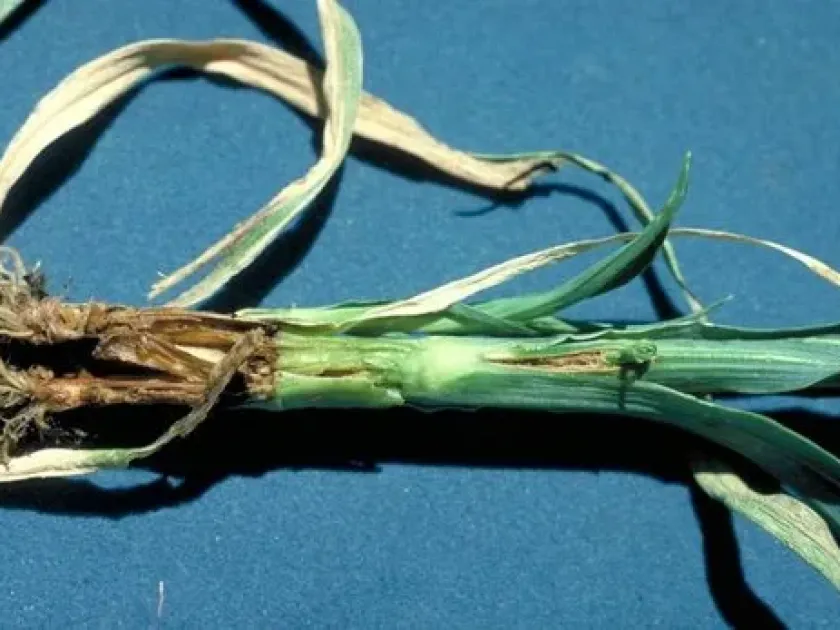
- Softening and rotting of the inner stem tissues, leading to hollow cavities.
- Stunted growth and yellowing of the foliage as the plant loses its ability to circulate water.
- Root system deterioration, preventing proper anchoring and nutrient absorption.
Control measures
Management relies on strict exclusion and sanitation practices. Growers should exclusively use certified pathogen-free planting stock and implement rigorous inspection protocols for all incoming materials.
Disinfecting tools using alcohol or bleach solutions between plants is critical to prevent mechanical transmission. Furthermore, implementing drip irrigation instead of overhead systems reduces leaf wetness and lowers the risk of secondary infections within the greenhouse environment.
Causes diseases · 1
Discussion
No discussions yet — be the first.