
Bean yellow mosaic virus
Bean yellow
Description
How to identify
Bean yellow mosaic virus (BYMV) is a significant plant pathogen belonging to the genus Potyvirus within the Potyviridae family. It contains a single-stranded RNA genome and is known for its wide host range, infecting various legumes and ornamental species.
The virus particles are flexuous, filamentous structures. It acts as an obligate parasite, forcing host cells to replicate its viral RNA and proteins, which interferes with the host plant's normal metabolic processes.
BYMV is primarily transmitted by various aphid species in a non-persistent manner. The aphid acquires the virus during brief feeding probes on an infected plant and can transmit it to a healthy host almost immediately.
Transmission can also occur through mechanical means, such as the use of contaminated pruning tools, human handling, or simple contact between foliage of infected and healthy plants in dense stands.
Laboratory diagnosis is essential for confirmation, usually performed via Enzyme-Linked Immunosorbent Assay (ELISA) or Reverse Transcription Polymerase Chain Reaction (RT-PCR) to detect viral coat proteins or RNA sequences.
What it damages
The host range is extensive, primarily targeting legumes such as common beans, peas, soybeans, lupins, and broad beans. It also affects ornamental plants like gladiolus, freesia, and lilies.
Systemic infection is common, meaning the virus spreads throughout the entire plant, affecting roots, stems, leaves, and reproductive structures, leading to a overall reduction in plant vigor.
The disease significantly impacts yield, causing stunted growth and reduced pod formation. Plants infected early in their development rarely recover and often fail to produce a marketable crop.
Seed quality is severely compromised; seeds from infected plants may be small, shriveled, and exhibit reduced germination rates, which perpetuates the virus if these seeds are used for subsequent planting.
In ornamental crops, the virus causes aesthetic damage, such as color breaking in petals and leaf distortion, which significantly lowers the value of the flowers.
When it appears
The virus survives the winter in perennial legume hosts like clover or alfalfa. These plants serve as the primary reservoir for the virus, acting as the source of infection at the start of each season.
The spread of the virus peaks during the migration periods of aphid vectors. In temperate climates, this is most prevalent during late spring and summer months when insect populations are at their maximum.
Warm, dry weather conditions facilitate the movement of aphids, accelerating the rate of viral spread within and between fields. High population densities of aphids correlate strongly with disease incidence.
The virus spreads in a cyclical pattern throughout the growing season, moving from reservoir weeds or perennial grasses to annual crops and creating secondary infection hotspots within the field.
Dense planting configurations can exacerbate the spread, as frequent leaf-to-leaf contact provides additional pathways for the virus to move between individual plants.
Signs of infestation
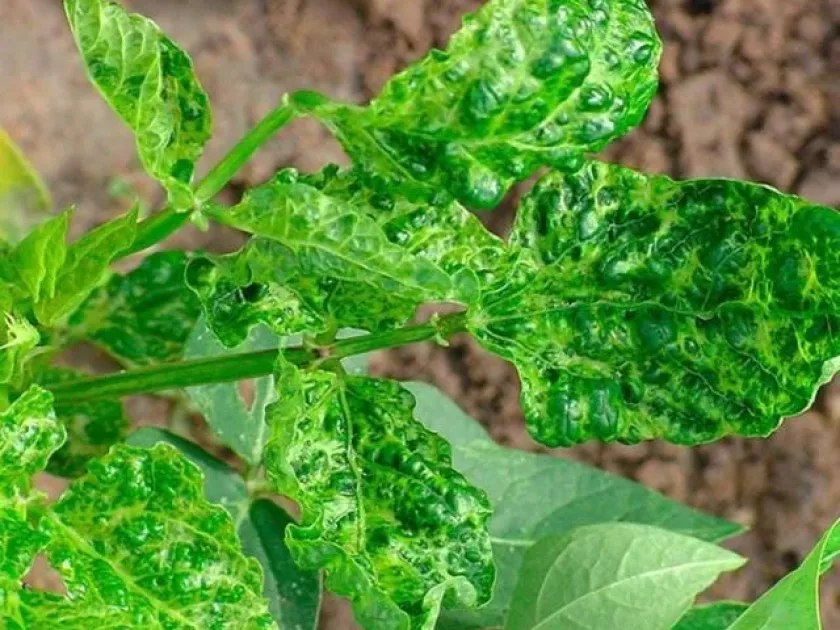
The most distinctive symptom is the development of a mosaic pattern on the leaves, characterized by alternating patches of light green, dark green, and yellow tissue.
Leaves often show severe morphological changes, including puckering, crinkling, and downward curling (epinasty). In some cases, the leaves may become narrow or filiform (shoestring-like).
- Chlorosis, or general yellowing, of young foliage.
- Severe stunting and reduction in overall plant biomass.
- Deformed, twisted, or shortened pods.
- Nectrotic streaks or spots on stems and petioles in highly susceptible varieties.
- Poor pod set and significant reduction in overall harvest.
Symptom expression can be variable depending on the specific virus strain, the age of the plant at the time of infection, and the host's genetic resistance.
Control measures
The most effective management strategy is the use of resistant or tolerant cultivars, which prevent the virus from establishing or significantly limit its replication within the plant.
Agricultural management should include maintaining spatial isolation between annual bean crops and perennial legume stands, which are known virus reservoirs.
Effective weed control is crucial to eliminate potential hosts of the virus near the fields. Monitoring and controlling aphid populations with appropriate insecticides can help reduce the frequency of virus transmission.
Strict sanitation measures are required, including the use of virus-free seeds and the regular disinfection of gardening tools with bleach or similar agents to prevent mechanical transmission.
Rogueing, or the removal and destruction of infected plants as soon as symptoms appear, is a practical method to minimize the spread within a plot and protect the remaining healthy plants.
Causes diseases · 4
Discussion
No discussions yet — be the first.