
Bacillus subtilis
Bacillus subtilis
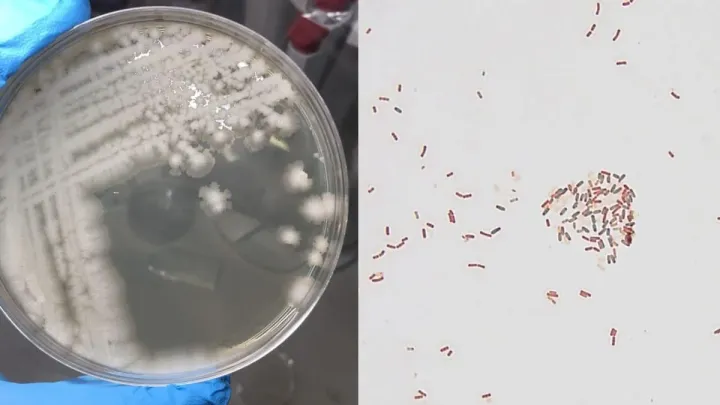
Description
How to identify
Bacillus subtilis is a Gram-positive, rod-shaped bacterium belonging to the genus Bacillus, known for its ability to form resilient endospores.
While widely recognized for its use as a beneficial biocontrol agent, certain strains can act as opportunistic plant pathogens, causing damage to agricultural crops.
Taxonomically, it is classified under the phylum Bacillota, and it thrives in a variety of environments, including soil and decaying organic matter.
The bacterium's ability to transition between vegetative and spore states allows it to persist in the soil for years, waiting for optimal conditions to colonize plants.
Under laboratory conditions, B. subtilis forms colonies that are often dry, rough, and opaque, showing significant variability depending on the specific strain.
What it damages
This pathogen can cause various bacterial diseases, including soft rots and wilts, particularly in vegetable crops such as tomatoes, peppers, and various leafy greens.
The damage is primarily caused by the production of extracellular enzymes that break down plant cell wall components, leading to tissue collapse and necrosis.
Infected crops often exhibit reduced vigor, yellowing of the leaves, and eventual death as the bacteria disrupt the vascular system and nutrient transport.
In storage and post-harvest conditions, the pathogen causes rapid softening and rotting of fruits and tubers, leading to significant economic losses for producers.
The impact is most severe when plants are already weakened by abiotic stress, nutrient deficiencies, or feeding damage from insect vectors.
When it appears
Infection cycles are most active during warm and humid weather conditions, typically when temperatures range between 20°C and 35°C.
High soil moisture and stagnant air facilitate the rapid proliferation and spread of the bacterium throughout the crop canopy and within the soil profile.
Dissemination often occurs via splashing rainwater, irrigation water, movement of contaminated soil on farm equipment, or through contaminated seeds.
The pathogen is highly active during the growing season when plants are in their most productive phases, as nutrient-rich exudates from roots attract the bacteria.
Winter survival is ensured by the formation of endospores, which allow the bacteria to survive freezing temperatures and lack of moisture until the next growing season.
Signs of infestation
Early symptoms include water-soaked lesions on the stems or leaves, which may expand rapidly and turn into brown or black necrotic areas over time.
Wilting of the plant, especially during the hottest part of the day, is a classic sign of systemic infection where vascular vessels are compromised.
Fruits infected by the pathogen often show sunken lesions that emit a distinctively pungent or foul odor as the internal tissue liquefies.
In cases of stem infection, the tissue may become soft and mushy, leading to lodging and the total collapse of the plant structure.
The presence of a bacterial ooze, visible on the surface of infected tissues under high humidity, is a hallmark sign of advanced bacterial colonization.
Control measures
Integrated pest management strategies focusing on cultural practices are essential to minimize the impact of bacterial infections in the field.
Crop rotation remains the most effective long-term method for reducing the soil-borne inoculum levels and breaking the pathogen's life cycle.
Sanitation practices, such as removing and destroying crop residues after harvest, are crucial to prevent the carryover of spores to the next season.
The application of copper-based bactericides can provide a protective barrier on plant surfaces, although its efficacy depends on timely application.
- Using certified disease-free seeds and planting material.
- Optimizing irrigation to avoid waterlogging the soil.
- Controlling insect populations that act as vectors for the bacteria.
- Ensuring adequate soil drainage and aeration.
Causes diseases · 1
Discussion
No discussions yet — be the first.