
Description
Symptoms
Symptoms caused by Arracacha virus B can vary significantly based on the host variety, environmental conditions, and the timing of the infection.
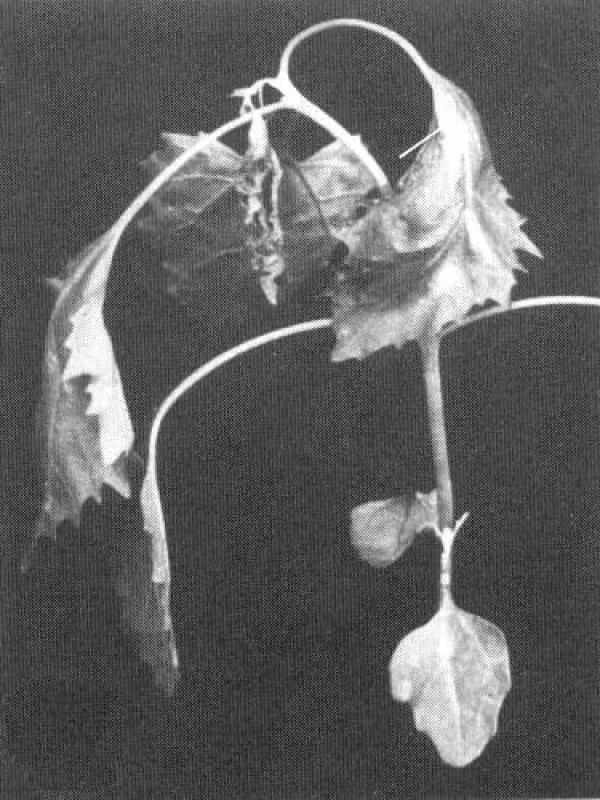
Common clinical signs include chlorotic spots on the leaves, which often develop into a distinct mosaic pattern as the disease progresses.
Infected plants typically show a marked reduction in growth and vigor, resulting in stunted overall development.
Leaf deformation, including crinkling or asymmetry, is frequently observed due to the systemic nature of the infection and its impact on leaf tissue.
- Chlorotic spotting on leaves.
- Mosaic-like patterns.
- Stunted plant growth and vigor.
- Deformation of leaves.
- Reduced tuber size and quality in potatoes.
Pathogen
The pathogen is Arracacha virus B (AVB), a virus belonging to the genus Nepovirus within the Secoviridae family. The Oxa strain is a specific variant of this viral entity.
This is a systemic plant disease where the virus colonizes the host plant, disrupting cellular processes and metabolic functions throughout the plant body.
The virus primarily affects root crops like arracacha and is also a significant pathogen for potatoes (Solanum tuberosum).
AVB is characteristically transmitted through infected vegetative propagules, such as tubers, which makes it a persistent threat in agriculture.
Soil-borne nematodes serve as the primary natural vectors, facilitating the transmission of the virus between plants in the field.
Conditions for development
The spread of the virus is highly dependent on environmental conditions that favor the activity and population density of nematode vectors.
Optimal moisture levels in the soil are critical, as they support the lifecycle of the nematodes that carry and transmit the viral particles.
Agricultural practices, such as monocropping of susceptible species, significantly increase the risk of establishing and maintaining the virus in a field.
The presence of wild host plants or weeds around cultivated areas provides a reservoir for the virus during the off-season.
Mechanical transfer through contaminated farming tools or human activity during routine care can spread the virus within a planting block.
Why it matters
The main impact of Arracacha virus B is a significant reduction in the quantity and quality of the final harvest.
In potatoes, the virus causes seed degeneration, rendering the tubers unsuitable for replanting and requiring a total replacement of the seed stock.
By interfering with the plant's photosynthetic capacity, the virus significantly limits the accumulation of energy, leading to smaller tubers and lower overall yields.
Infected plants exhibit reduced resistance to environmental stressors, such as drought or heat, further exacerbating the negative impact on crop performance.
Economic losses arise not only from reduced production but also from the costs associated with implementing intensive sanitation and certification programs.
Protection
The cornerstone of managing Arracacha virus B is the use of high-quality, certified, virus-free seed material obtained through meristem culture techniques.
Rigorous crop rotation cycles, avoiding the planting of susceptible hosts on the same soil for several years, are essential for limiting soil-borne infection.
Effective management of nematode populations through soil fumigation or the use of approved nematicides significantly lowers the risk of transmission.
Regular phytosanitary monitoring is necessary to identify and rogue out infected plants immediately after symptoms appear to prevent field spread.
Strict disinfection protocols for all agricultural equipment and tools must be enforced to prevent the mechanical transport of the virus between field sites.
Pathogens and affected parts
Affects crops · 1
Discussion
No discussions yet — be the first.