
Apple chlorotic leaf spot
Apple chlorotic
Description
How to identify
Apple chlorotic leaf spot virus (ACLSV) is a widespread plant pathogen belonging to the Betaflexiviridae family and the Trichovirus genus.
This virus is characterized by its filamentous virion structure, which is typical for the Trichoviridae family, with a length of approximately 600–800 nm.
ACLSV is primarily transmitted through infected budwood, grafting, and rootstock propagation rather than by insect vectors, which distinguishes it from many other plant viruses.
The virus acts as a systemic pathogen, colonizing the vascular system of the host plant and interfering with normal physiological processes over long periods.
Genetic diversity of ACLSV isolates can vary significantly, which explains why symptoms may range from asymptomatic latency to severe growth suppression in different cultivars.
What it damages
The host range includes major pome and stone fruits, specifically apple, pear, quince, plum, and cherry trees, causing significant economic losses.
Infection leads to metabolic disruptions, causing reduced photosynthetic efficiency and diminished accumulation of nutrients in the fruits and supporting wood.
Long-term impact involves wood pitting, bark scaling, and overall decline in tree vigor, leading to a shortened economic lifespan of the orchard.
In highly susceptible cultivars, the virus can drastically reduce the number and size of fruits, rendering the harvest commercially unviable.
Tree stress tolerance is significantly lowered, making infected orchards more prone to secondary infections, frost damage, and environmental drought stress.
Signs of infestation
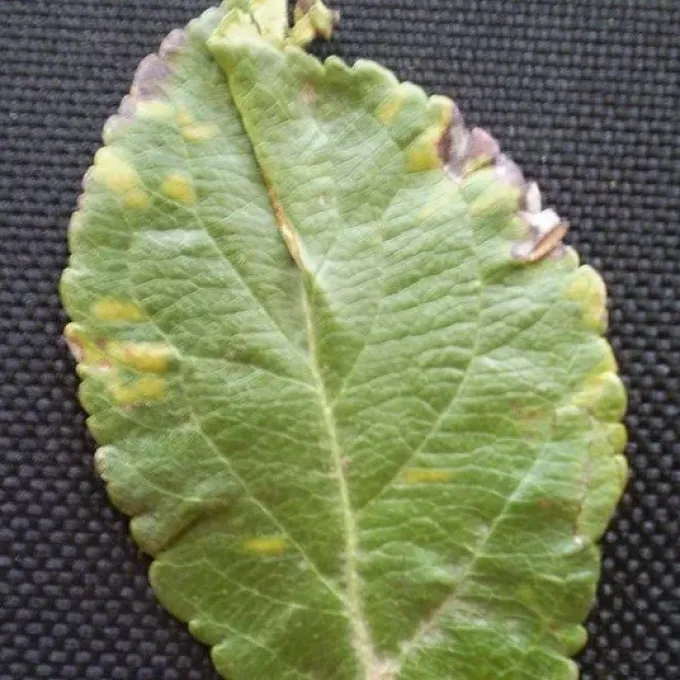
The most distinctive symptom is the appearance of chlorotic spots, streaks, or elongated lines on the surface of young leaves during the early growing season.
As the leaves mature, some chlorotic areas may become necrotic, potentially leading to leaf distortion, tattering, or premature leaf abscission.
In many apple cultivars, the virus causes a characteristic mottling or banding pattern that can be easily identified during systematic field monitoring.
Wood symptoms, including pitting and grooving beneath the bark, often accompany the leaf symptoms and indicate long-term systemic colonization of the plant.
- Chlorotic mottling on foliage
- Stunted shoot development
- Reduced fruit size and quality
- Uneven bark development on trunks
Control measures
The fundamental strategy to prevent the spread of ACLSV is the use of high-quality, virus-indexed nursery stock obtained through tissue culture technology.
Strict sanitation protocols must be enforced for all pruning and grafting tools, including the use of disinfectant solutions like ethanol or bleach between trees.
Regular visual inspections of nurseries and orchards are crucial for identifying and removing symptomatic plants before the infection spreads through propagation.
Quarantine measures and careful sourcing of rootstocks and scion wood play a vital role in keeping modern orchards free from this persistent virus.
Advanced diagnostic techniques such as ELISA (Enzyme-Linked Immunosorbent Assay) and RT-PCR are essential for certifying disease-free status for planting materials.
Causes diseases · 2
Discussion
No discussions yet — be the first.