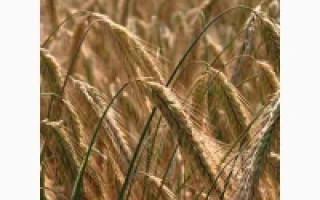
Wheat of the Amey variety is an annual herbaceous plant of the grass family, widely used as a cereal crop and an effective green manure. This crop is characterized by high cold resistance, able to withstand frosts down to -25 °C even in snowless winters, making it a reliable choice for winter sowing. Wheat grows well and quickly develops green mass, reaching 200-300 kg per hundred square meters, which contributes to enriching the soil with potassium and improving its structure. In addition, wheat suppresses the development of pathogenic bacteria, nematodes, and aggressive weeds such as couch grass and ragwort, making it a valuable component in crop rotation. Seeds of the Amey wheat variety have large oval kernels with a distinct groove, with a thousand kernel weight of about 36.4 g. Seed purity reaches 98.2%, and germination rate is 94%. To improve germination and energy of sprouting, the seeds are treated with ultraviolet light and ozone. The variety is characterized by high resistance to lodging, drought, and shattering, as well as high winter hardiness and disease resistance. The recommended sowing rate for winter wheat is 160-280 kg per hectare, ensuring optimal plant development and high yields, reaching 53.2–62.0 centners per hectare, with maximum yields up to 79.8 centners per hectare. Wheat of the Amey variety is adaptable to soil fertility and weather conditions, preferring soils with an optimal pH level of 5-6. On acidic soils, liming is recommended to increase yield. The vegetative period for autumn sowing lasts about 45 days until winter dormancy, during which stem and ear formation occur. Fertilization plays an important role: in autumn, phosphorus and potassium are required for root development and tillering, which helps accumulate sugars and ensures successful winter survival. Nitrogen at a rate of 20-30 kg/ha is applied before sowing only on poor soils or in the absence of legume predecessors, to avoid reducing plant winter hardiness. Thanks to these features, Amey wheat is a universal and effective crop for soil improvement and achieving stable yields.