


SKU #52103
·
38 views
Cardinal
Tomato
LLC 'SSF 'GISOK'User rating
0 votes0% positive reviews
No ratings yet — be the first.
Product Type
Seeds; Seed material
Plant Type
Indeterminate
Maturation Period
120-130 days
Fruit Weight
More than 200 grams
Prices in stores
from2.5 €per 1000 seeds
pack from 0.05 € per 5 pcs
6 offers from 2 stores
Store offers · 6 from 2 stores
Prices are updated on loadLoading offers…
Available at: Геліос · Sezon · Веснодар
Aggregator catalog: prices are collected automatically from store websites, normalized by AI and converted at the current exchange rate. Before ordering, confirm the price and availability on the store's website. This block is not indexed by search engines — the data is loaded after the page opens.
About product

Cardinal tomato — a medium-early indeterminate variety widely appreciated for its versatility and ease of cultivation. The plant is tall, reaching up to 2 meters in open ground and up to 2 meters in greenhouses, requiring mandatory support and plant training. The plants have a cluster-type fruiting pattern, with up to 10 large tomatoes forming on each cluster. The variety exhibits good resistance…
Product Type
Seeds; Seed material
Plant Type
Indeterminate
Maturation Period
120-130 days
Fruit Weight
More than 200 grams
Description
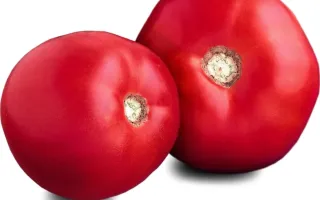
Cardinal tomato — a medium-early indeterminate variety widely appreciated for its versatility and ease of cultivation. The plant is tall, reaching up to 2 meters in open ground and up to 2 meters in greenhouses, requiring mandatory support and plant training. The plants have a cluster-type fruiting pattern, with up to 10 large tomatoes forming on each cluster. The variety exhibits good resistance to cold, temperature fluctuations, as well as infectious and fungal diseases, including phytophthora, alternaria, verticillium wilt, and rot. The Cardinal tomato fruits are large, heart-shaped, with a firm skin and juicy flesh. Color varies from pale pink to bright maroon, with fruit weight ranging from 600 to 1000 grams. The flesh is characterized by its sugar content, aromatic quality, and practically seedless nature. The skin is strong, ensuring good transportability and resistance to cracking. The taste is classic, slightly sour-sweet, making the fruits ideal for fresh consumption as well as for culinary processing — canning, pasta making, juice, adjika, and ketchup. For successful cultivation, the variety is best grown using seedlings transplanted into open ground or greenhouses during late May to early June. Plants require regular fertilization, applied before flowering, during fruit set, during fruiting, and to stimulate the formation of new fruits. Fertilizers used include biostimulants, cow manure solutions, and mineral complexes. Cardinal grows best on plots previously occupied by legumes, cucurbits, or onions. The variety is characterized by prolonged fruiting and high yield — up to 14–15 kg per square meter, making it attractive for both farmers and home gardeners.
Video · 7 videos
Suggest a video →Crop & resistance
Crop
Disease resistance
Specifications hover over for a hint about the specification
| Product Type | |
|---|---|
| Plant Type | |
|
Maturation Period
Maturation Period
Vegetation period from emergence to technical maturity 30-50 days. |
120-130 days |
|
Fruit Weight
Fruit Weight
Tomato fruits are classified by weight as: very small — less than 20 grams; small — 20 — 50 grams; medium — 50 — 100 grams; large — 100 — 200 grams; very large — more than 200 grams. |
More than 200 grams |
|
Fruit Shape
Fruit Shape
Modern tomato varieties have a diverse fruit shape: flat, flat-round, round, oval, elongated-oval, pear-shaped, plum-shaped, cube-shaped, and cylindrical. On poorly fertile soils and under unfavorable growing conditions, tomato fruits may take on a more rounded shape. |
|
|
Fruit Color
Fruit Color
The fruit color of tomato varieties is influenced by the combination of skin and flesh color. Some varieties have transparent skin, others — yellow. When combined differently, the fruits can acquire quite diverse colors. The fruit color is affected by pigments (lycopene) and thei... |
|
| Transportability | |
|
Yield
Yield
Overall bulb harvest per unit area. Depends on both onion variety characteristics and agronomic practices, fertilizers, and irrigation. Under optimal growing conditions, an onion yield of 100 tons per hectare and above is not considered record-breaking. |
70-100 tons |
| Registration year | 1998 |
| Catalog | Catalog → Tomato |
| Manufacturer | LLC 'SSF 'GISOK' |
| Legal data |
Show · 11
|
| Country | Russia |
Not yet комментариев. Be the first!
Alternatives
Tomato seeds · similar varieties



See also
Often considered together with this variety





Recently viewed
Products you’ve viewed on this site
Reviews · 0