


Prices in stores
No offers yet — stores have not added prices for this product yet.
Similar varieties with prices
-
SK AVALLC COMPANY 'SOEVY COMPLEX'
from 1.1 €
-
 AnnushkaSoy Century
from 0.54 €per 1 kg
AnnushkaSoy Century
from 0.54 €per 1 kg
-
 MatildaSevita Genetics
from 0.67 €
MatildaSevita Genetics
from 0.67 €
-
 DH 618Sevita Genetics
from 0.45 €
DH 618Sevita Genetics
from 0.45 €
Seeds: oil content
18-19%
Seeds: protein content
41-43%
Registration year
2016
Your mark
0 votes
0% positive ratings
Description
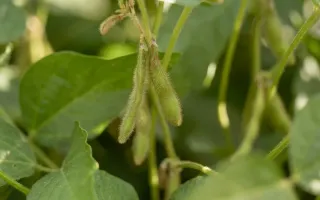
OAC Madoc soy is a high-yielding variety with an indeterminate growth habit and medium-height erect plants, developed by the University of Guelph in Canada. This variety is adapted to most soil types and features gray pubescence, white flowers, yellow hilum, and brown pods. OAC Madoc exhibits resistance to Phytophthora root rot, enhancing its reliability under various agroclimatic conditions.
The variety is characterized by high initial growth energy and resistance to multiple diseases and stress factors, including drought. It demonstrates superior yield performance within its maturity group, with potential yields up to 3.0 tons per hectare. The recommended plant population at harvest is 550,000 to 750,000 plants per hectare, and the 1,000 seed mass ranges from 150 to 160 grams. High protein content (approximately 41%) and moderate oil content make this variety attractive for producing high-quality soybean grain.
OAC Madoc exhibits plasticity and good resistance to lodging, facilitating its cultivation in various regions, including the Polesie and forest-steppe zones. For optimal development, row spacing of 15 to 36 centimeters is recommended. Due to its combination of high yield, disease and stress resistance, and quality grain characteristics, this variety is an excellent choice for farmers seeking a stable and high-quality soybean harvest.
The variety is characterized by high initial growth energy and resistance to multiple diseases and stress factors, including drought. It demonstrates superior yield performance within its maturity group, with potential yields up to 3.0 tons per hectare. The recommended plant population at harvest is 550,000 to 750,000 plants per hectare, and the 1,000 seed mass ranges from 150 to 160 grams. High protein content (approximately 41%) and moderate oil content make this variety attractive for producing high-quality soybean grain.
OAC Madoc exhibits plasticity and good resistance to lodging, facilitating its cultivation in various regions, including the Polesie and forest-steppe zones. For optimal development, row spacing of 15 to 36 centimeters is recommended. Due to its combination of high yield, disease and stress resistance, and quality grain characteristics, this variety is an excellent choice for farmers seeking a stable and high-quality soybean harvest.
Crop & resistance
Crop
Disease resistance
Specifications
| Seeds: oil content | 18-19% |
|---|---|
| Seeds: protein content | 41-43% |
| Registration year | 2016 |
| Catalog | Catalog → Soybean |
| Manufacturer | HURON COMMODITIES INC. |
| Legal data |
Show · 3
|
No reviews yet. Be the first to share your experience.
Alternatives
Soybean seeds · similar varieties




See also
Often considered together with this variety





Recently viewed
Products you’ve viewed on this site
Reviews