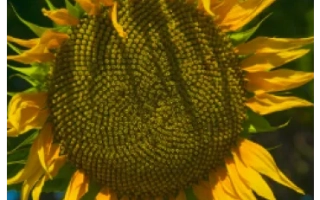
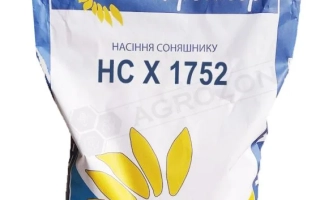
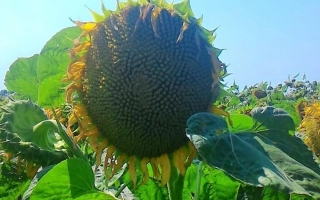
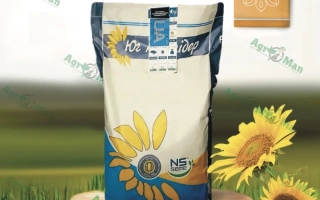
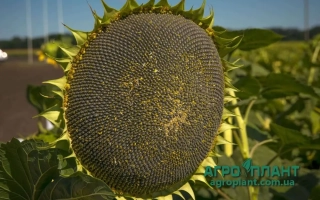
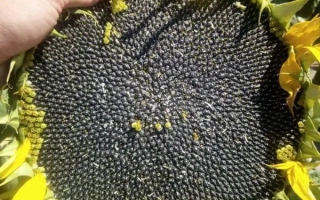
Sunflower NS H 1749 is a simple hybrid developed by the Institute of Field and Vegetable Crops in Novi Sad, Serbia. It belongs to the early-maturing group with a vegetation period of 102-105 days and plant height of 160-180 cm. The hybrid’s head is thin, medium-sized, slightly downward-tilted, with the convex side towards the seeds. The 1000-seed mass is 45-55 grams. The hybrid is intended for oilseed purposes, with oil content in seeds ranging from 46 to 49%, and moisture content of 22-24%. NS H 1749 is characterized by high yield potential exceeding 55 centners per hectare under optimal growing conditions, including proper crop rotation, timely sowing, warmed soil, adequate moisture, and application of mineral fertilizers. The hybrid adapts well to the soil-climate conditions of the forest-steppe, central, and southern steppes, but is not recommended for planting in arid regions due to moderate drought resistance. For maximum productivity, it is recommended to follow the recommended planting density and use plant protection products to control weeds and diseases. A distinctive feature of NS H 1749 is its genetic resistance to a broad spectrum of diseases and pests. The hybrid is resistant to five races of downy mildew, powdery mildew, rust, fomosis, fomopsis, alternaria, and sunflower downy mildew. Additionally, it exhibits resistance to herbicides based on tribenuron-methyl (technology "Sumo"/"Express"), enabling effective control of a wide range of broadleaf weeds, including perennial sowthistle. These qualities make NS H 1749 a reliable choice for cultivation in regions with diverse agroclimatic conditions.