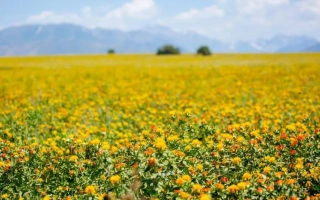
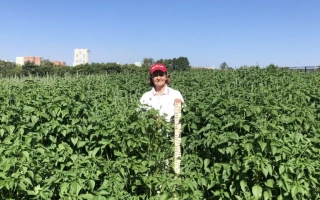
Safflower «FEED 196» – an annual oilseed plant characterized by high drought resistance and excellent properties for industrial processing. The seeds of this variety contain 38‑41% oil, and the kernel – about 39.6%. Protein in the seeds is approximately 15.5%, making them a valuable feed product.
The crop features a medium vegetation period (106–112 days) and medium height at flowering. Flowering time is moderate, and maturity is medium, ensuring ease of harvesting. Yield varies by region: in the Lower Volga region it reaches 22.8 centners/hectare, and in the Urals – about 14.0 centners/hectare.
Safflower is widely used as raw material for oil and meal production. Oil from seeds is suitable for culinary use (for frying, salad dressings) and industrial use (in the production of margarine, varnishes, and paints). The cake after pressing contains up to 55% protein and can be used as a feed additive for livestock. Petals of the plant contain a natural dye used in the food industry and for making natural paints.
The variety is resistant to drought (5 points) and exhibits low susceptibility to fusarium wilt; however, safflower aphids may be present on some plants. Thanks to these characteristics, «FEED 196» is of interest to agrarians seeking to expand the area of oilseed crops cultivation and improve the efficiency of processed products utilization.