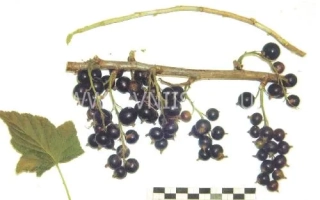
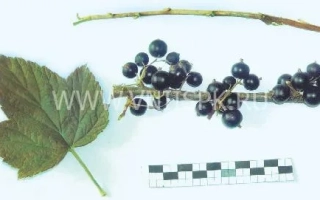
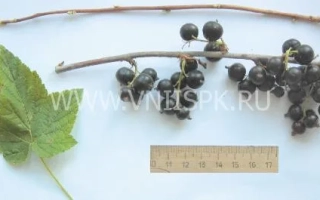
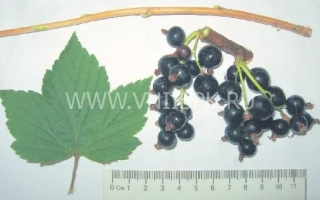
Obtained from sowing seeds of the 'Manchurian Beauty' variety, naturally pollinated by a Chinese-American group variety called Tekumsich. Regionally approved in 1959 in Primorsky Krai, it has been widely cultivated in southern areas of Khabarovsk Krai, the Jewish Autonomous Oblast, Amur Oblast, and Sakhalin Oblast.
The tree is medium-sized, upright, reaching 4.2 m in height with a crown diameter of 5.2 m. The crown is round-oval. The skeletal branches are few and branch off at an acute angle. Shoots are thick, straight, brown, and grow up to 80-100 cm in a single season. Fruit buds are small, forming on very short cluster branches, 1 cm long, on wood of all ages and on one-year growths along the entire length. Buds are brownish, lagging behind shoots. Leaves are small, lance-shaped. Leaf blades are dark green with a shiny upper surface. Leaf petioles are green and medium length. Flowers are very small, forming clusters on branches with very short pedicels. Petals are white, oval in shape, moderately closed. Calyx is narrow-bowl-shaped. The stigma is located below the anthers.
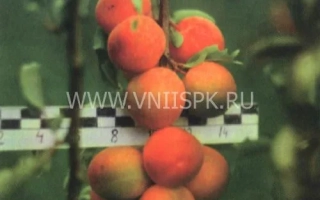
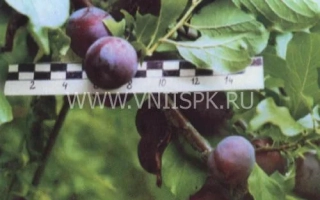
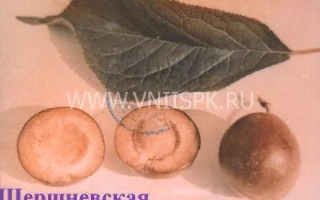
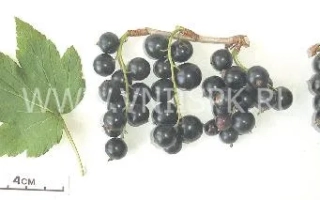
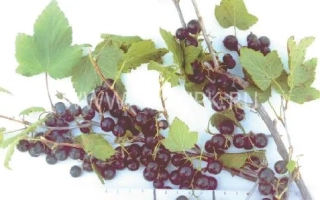
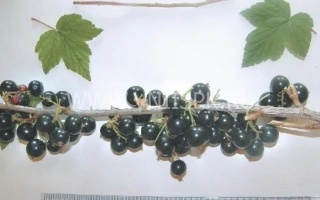
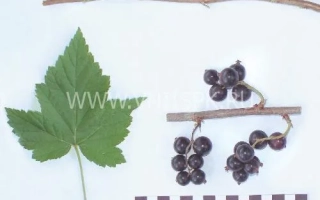
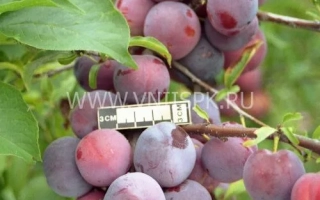
Fruits are large (average weight 26 g, maximum 37.2 g). Fruit shape is round-oval with a slight tapering at the apex. Surface is slightly uneven. The suture is deep and wide. Main color is greenish-yellow, largely covered with a dark burgundy blush with a purple tint. Flesh is yellow-green with white veins, very juicy, pleasant in taste, slightly tart and faintly bitter from the skin. Dry matter content in fruits — 14%, sugars — 9.5%, tannins — 0.5%. Stone is medium-sized, elliptical, with a sharp, beak-like tip, half-lagging.
Self-sterile. Best pollinators: Early Amur, Kolhoznitsa, Rumyantseva, Yellow Rachenko. Flowering from May 25 to June 1.
The variety has high cold resistance, suffering only minor damage from sunscald. No bud freezing occurs. Fruit-bearing begins on the 2nd-3rd year of grafting. Mass fruiting occurs on the 5th-6th year. At 5 years old, average yield is 8-10 kg per tree, maximum 16 kg. At 14 years old, yield per tree is 30-40 kg. Yield is regular. Fruits ripen from August 5 to August 13. Sensory evaluation of fruits is 3.5 points. Intended for table use, suitable for making jams, compotes, and preserves. During monsoon rains, some fruits crack. Trees are relatively long-lived. Suitable for intensive orchards.
Advantages of the variety: large fruits ripening early, rapid fruiting, and annual yield.
Disadvantages: poor fruit storability, partial cracking during monsoon rains, susceptibility to moniliosis.